Exploring Alternative App Stores: New Choices for EU and Global Users
The European Union’s Digital Markets Act (DMA) has ushered in a new era of competition in the app ecosystem by allowing alternative app stores to operate alongside Apple’s App Store. This regulatory shift aims to foster increased competition and provide consumers with more choices. As a result, several alternative app marketplaces have emerged, each offering unique features and app selections.
AltStore PAL (EU)
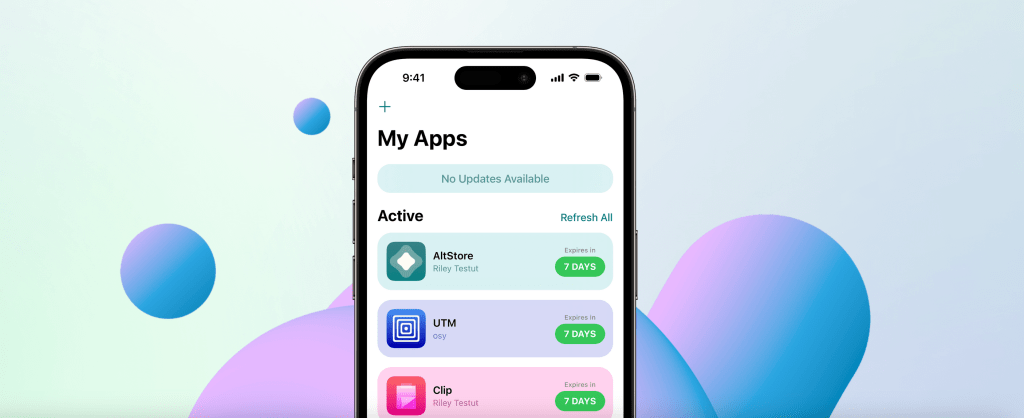
Co-created by developer Riley Testut, known for the Nintendo game emulator app Delta, AltStore PAL is an officially approved alternative app marketplace in the EU. This open-source app store enables independent developers to distribute their apps alongside offerings from AltStore’s creators, including Delta and a clipboard manager called Clip. AltStore PAL’s commitment to open-source principles and developer-friendly policies has made it a popular choice among users seeking alternatives to the traditional App Store.
Epic Games Store (EU)
In August 2024, Epic Games launched its alternative iOS app store in the EU, allowing users to download games such as Fortnite, Rocket League Sideswipe, and Fall Guys, with more titles expected in the future. This move came after Apple removed Fortnite from its App Store over policy violations, leading Epic Games to challenge Apple’s alleged App Store monopoly. The Epic Games Store’s entry into the EU market signifies a significant shift in the app distribution landscape, offering users access to popular games outside of Apple’s ecosystem.
Aptoide (EU)
Lisbon-based Aptoide, known for its alternative Android app store, launched its iOS game store in the EU in June 2024. Aptoide’s iOS version began as an invite-only beta before becoming widely available. The store offers a variety of games and employs a unique commission model, charging developers 10% to 20% on in-app purchases, depending on user acquisition methods. Aptoide’s extensive experience in the app store space and its commitment to providing a safe and diverse selection of apps have contributed to its growing user base.
Skich Store (EU)
In March 2025, Skich, a Tinder-like app for discovering mobile games, announced the launch of Skich Store, an alternative mobile games store for iOS users in the EU. The store features social and discovery elements, such as a recommendation system that allows users to swipe to match with games they enjoy. Skich Store’s innovative approach to app discovery and its focus on user engagement set it apart from traditional app stores.
Setapp Mobile (EU – Closed February 2026)
MacPaw’s Setapp Mobile was among the first companies to agree to Apple’s new DMA business terms to set up an alternative app store for EU users. Launched in September 2024, Setapp Mobile offered a subscription-based service featuring a selection of curated apps. However, the company announced it would sunset the service on February 16, 2026, citing Apple’s still-evolving and complex business terms as the reason for its decision. Setapp Mobile’s closure highlights the challenges alternative app stores face in navigating the evolving regulatory and business landscape.
Hot Tub (EU)
In February 2025, AltStore PAL introduced Hot Tub, an aggregator app that allows iOS users in the EU to search and play videos from various adult websites, including Pornhub, Xvideos, XNXX, and XHamster. This launch was made possible by the DMA, which permits app developers to release iPhone and iPad apps through alternative marketplaces in the EU. Hot Tub’s availability underscores the diverse range of content that alternative app stores can offer, catering to niche markets and user preferences.
DeepSeek’s App (Italy)
In January 2025, Chinese AI startup DeepSeek’s app became unavailable on Apple’s App Store and Google’s Play Store in Italy. This occurred after Italian authorities requested information from DeepSeek about its user data handling practices. The app had claimed top spots in download charts in multiple countries, including the U.S. DeepSeek’s situation highlights the importance of regulatory compliance and transparency in data handling for app developers operating in various markets.
Apple’s Compliance with the Digital Services Act (DSA)
In February 2025, Apple removed EU apps that hadn’t complied with the Digital Services Act (DSA), which required app developers to disclose their address, phone number, and email information to consumers. This action impacted numerous developers, particularly smaller and indie app creators who don’t typically publicize their contact information. Apple’s enforcement of the DSA underscores the growing emphasis on transparency and consumer protection in the app ecosystem.
Conclusion
The introduction of the Digital Markets Act in the EU has paved the way for alternative app stores, offering consumers more choices and fostering competition in the app ecosystem. While some alternative app stores have faced challenges, others continue to thrive, providing diverse content and innovative features. As the regulatory landscape evolves, it will be interesting to see how these alternative marketplaces adapt and grow, potentially influencing app distribution models worldwide.