Pixel 10a and Galaxy S26: Incremental Updates Targeting Specific Users
The recent unveiling of the Google Pixel 10a and the anticipated launch of Samsung’s Galaxy S26 have sparked discussions about the minimal advancements these devices offer over their predecessors. While tech enthusiasts may find the updates underwhelming, it’s essential to recognize that these smartphones are strategically designed for a particular segment of consumers.
Pixel 10a: Subtle Enhancements for Existing Users
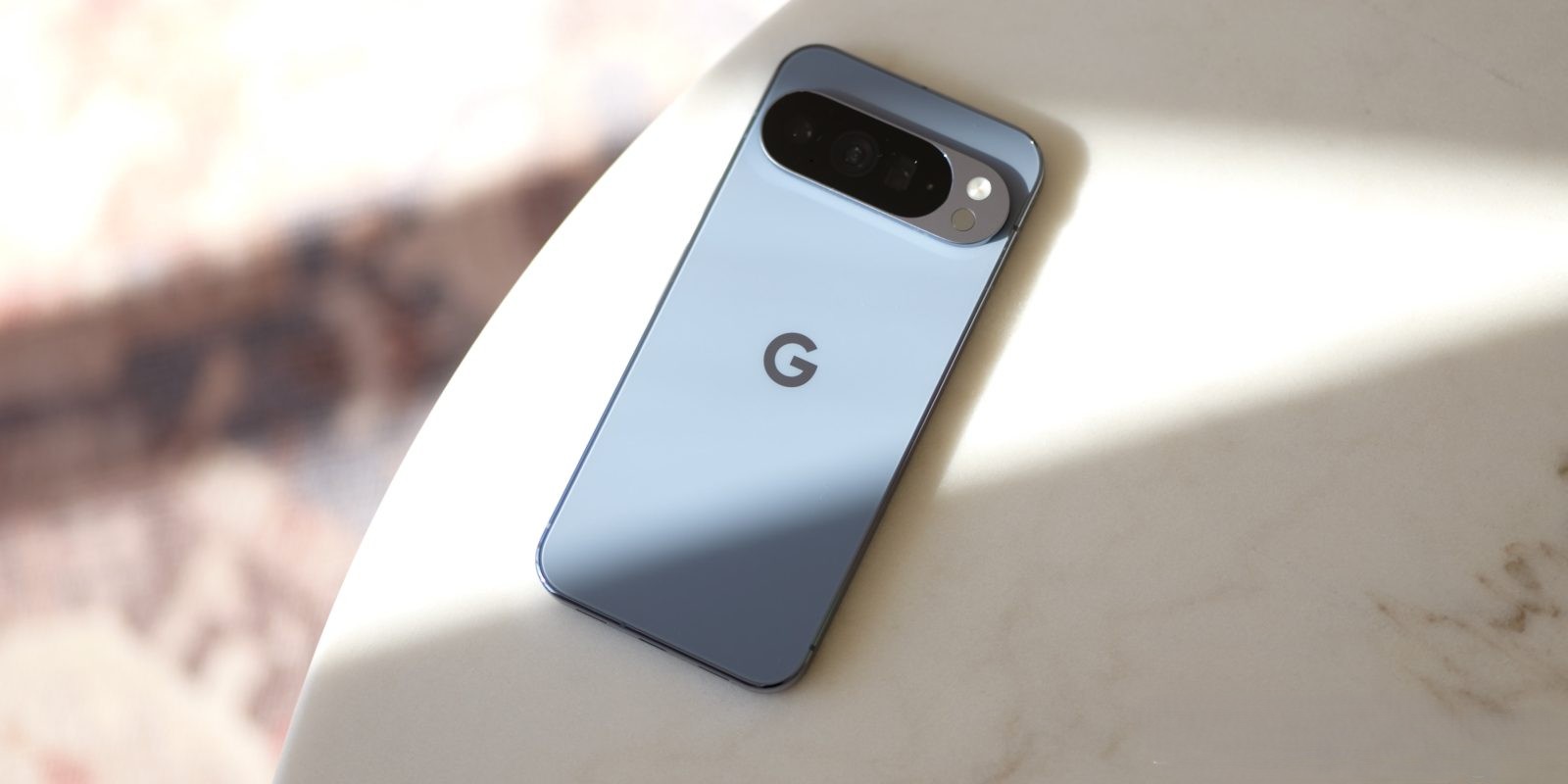
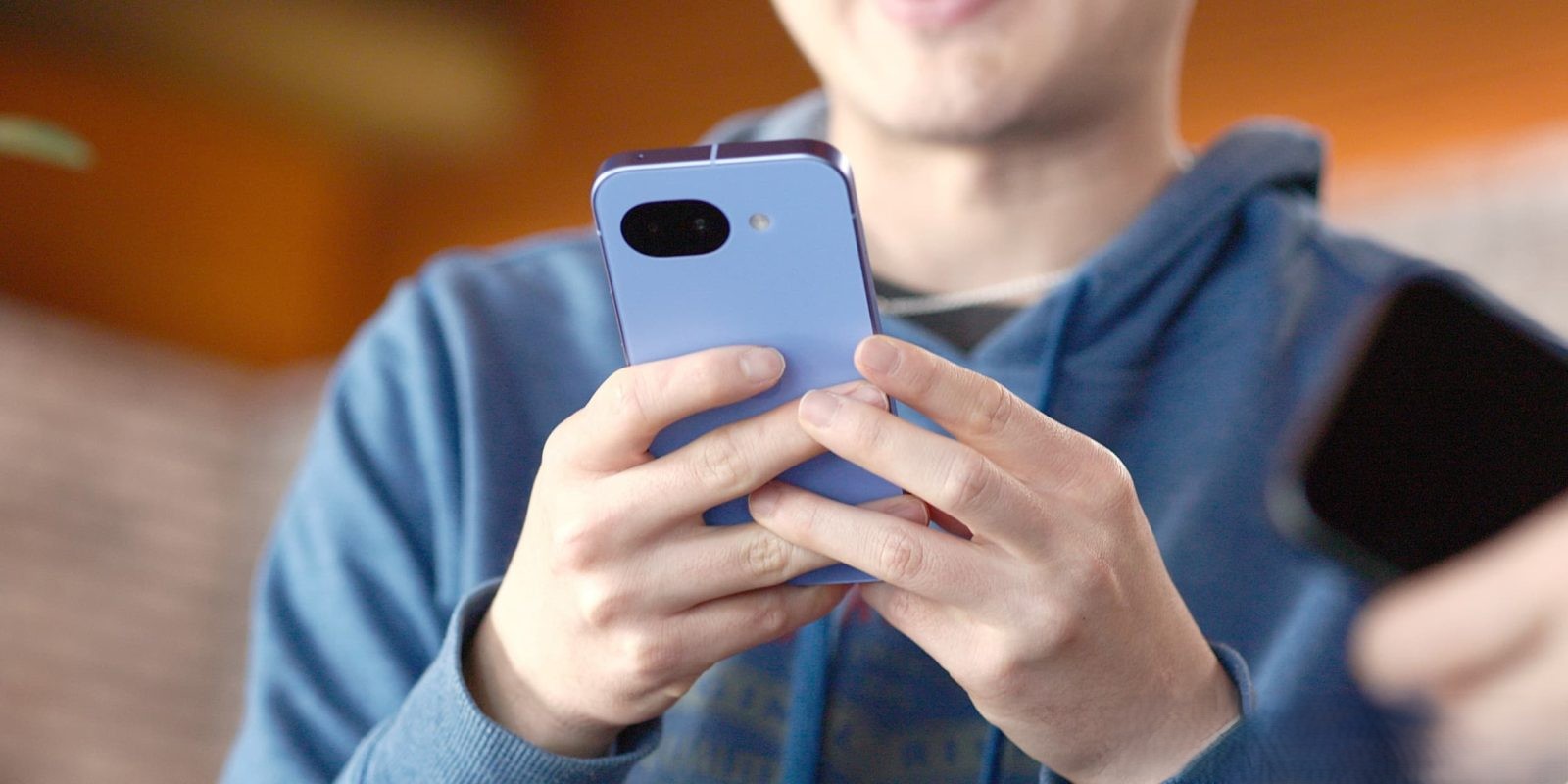
The Pixel 10a introduces a handful of modifications: a fully flat camera design, new color options, a modem supporting satellite connectivity, and slightly reduced display bezels. Although these changes may seem modest, they represent significant improvements for users transitioning from older models like the Pixel 4a, 5a, 6a, or even 7a. Google’s strategy is evident in its enhanced trade-in offers for these devices, aiming to encourage upgrades among existing customers.
One might question why Google doesn’t extend the lifecycle of the Pixel 9a instead of introducing a new model with minimal changes. The answer lies in branding and market dynamics. Maintaining a Pixel 9a alongside the forthcoming Pixel 11 could create confusion and dilute the brand’s image. Additionally, the mobile industry operates on annual release cycles, often driven by carrier demands and promotional strategies, necessitating regular product refreshes.
Galaxy S26: Familiar Yet Functional
Similarly, the Galaxy S26 series, particularly the base and Plus models, offers incremental upgrades such as a new processor and slight design modifications. For users upgrading from the Galaxy S21 or S22, the S26 provides a familiar experience with enhanced performance, extended software support, and additional features.
Reports suggest that the development of the Galaxy S26 series faced challenges, leading to last-minute decisions and minimal changes. Despite this, Samsung aims to project an image of continuous innovation. The S26 series, while not groundbreaking, serves the purpose of providing a reliable upgrade path for existing users and maintaining the brand’s presence in the competitive smartphone market.
Conclusion
The Pixel 10a and Galaxy S26 may not introduce revolutionary features, but they fulfill a strategic role in catering to users seeking upgrades from older models. By offering familiar designs with improved performance and support, these devices ensure brand loyalty and meet the expectations of a specific consumer base.