Apple’s AI-Powered Smart Glasses: A Glimpse into the Future of Wearable Technology
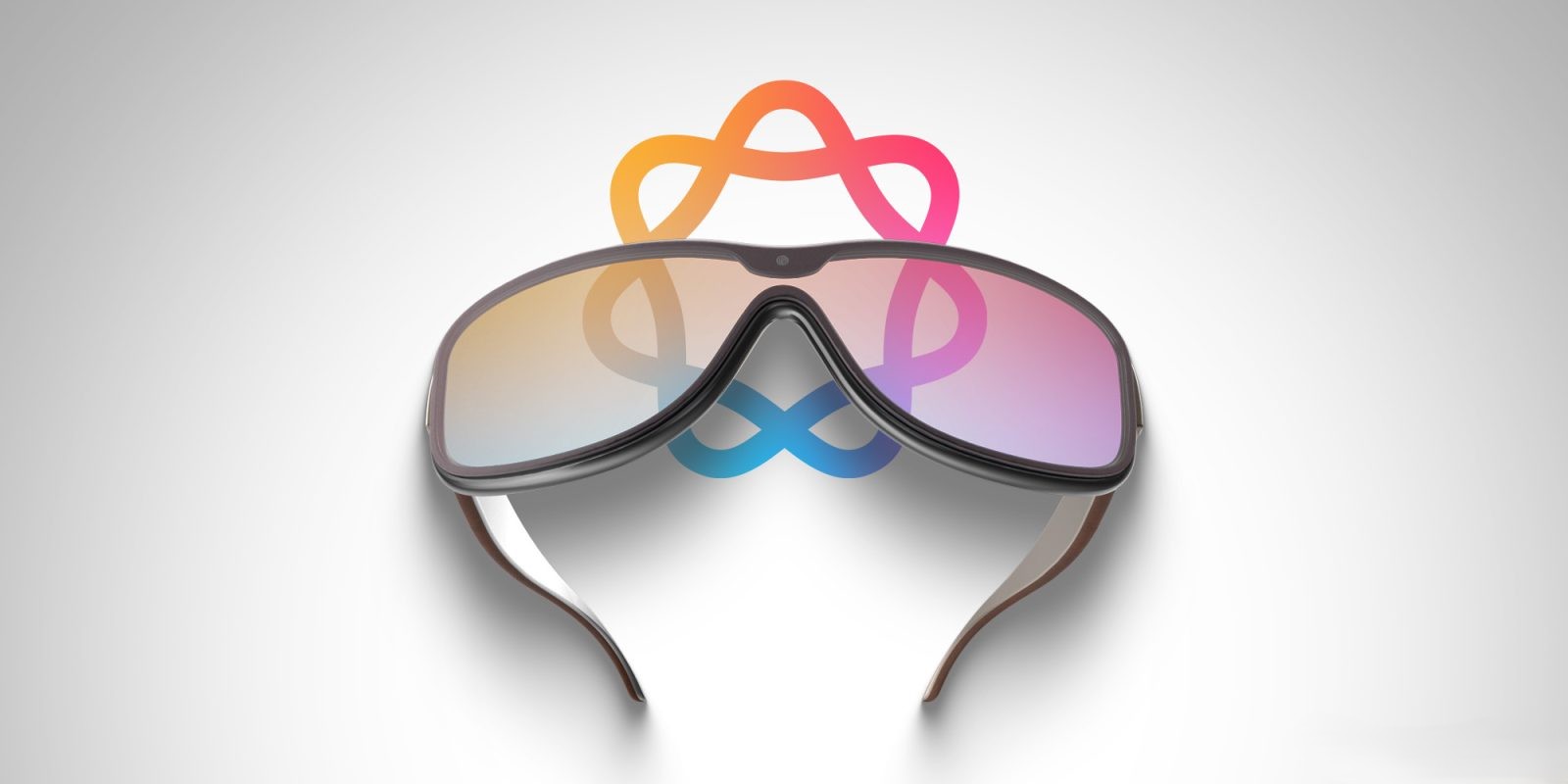
Apple is reportedly accelerating the development of its AI-integrated smart glasses, aiming to redefine the wearable technology landscape. These glasses are expected to seamlessly blend advanced artificial intelligence with everyday functionality, offering users an intuitive and immersive experience.
Design and Features
The forthcoming smart glasses are anticipated to feature a sleek design, incorporating two camera lenses: one dedicated to computer vision tasks and another for capturing high-quality photos and videos. Apple has reportedly achieved a significant engineering milestone by embedding all necessary components within the frame, eliminating the need for external batteries and ensuring a lightweight, comfortable fit.
Enhanced Siri Integration
A cornerstone of these smart glasses is the deep integration with Siri, Apple’s voice assistant. This integration aims to provide users with real-time information and assistance based on their surroundings. For instance, users could receive contextual information about landmarks, translate foreign text, or get navigation prompts directly through the glasses.
Silent Voice Input Technology
Addressing the challenges of voice commands in noisy environments, Apple has acquired Q.ai, a startup specializing in machine learning systems capable of interpreting silent voice inputs. This technology enables the glasses to understand user commands through subtle facial movements and inaudible speech, ensuring privacy and functionality even in public settings.
Competitive Landscape
Apple’s entry into the smart glasses market positions it against established players like Meta, which has seen success with its Ray-Ban Meta glasses. By focusing on superior build quality, advanced AI capabilities, and seamless integration with the Apple ecosystem, Apple aims to offer a compelling alternative that appeals to both tech enthusiasts and the general public.
Potential Applications
The integration of AI and computer vision opens up a myriad of applications for these smart glasses:
– Augmented Reality (AR) Experiences: Overlaying digital information onto the physical world, enhancing activities like navigation, gaming, and education.
– Health and Fitness Tracking: Monitoring physical activity, providing posture correction feedback, and offering real-time health insights.
– Accessibility Features: Assisting individuals with visual or hearing impairments through real-time transcription, object recognition, and environmental descriptions.
Privacy Considerations
With the inclusion of cameras and microphones, Apple is expected to implement robust privacy measures. This may include on-device processing to minimize data transmission, clear indicators when recording is active, and comprehensive user controls over data collection and sharing.
Release Timeline
While Apple has not officially announced a release date, industry insiders suggest that the smart glasses could be unveiled as early as 2027. This timeline aligns with Apple’s strategic shift from developing a lighter version of the Vision Pro headset to focusing on AI-driven wearable technology.
Conclusion
Apple’s AI-powered smart glasses represent a significant leap forward in wearable technology, promising to integrate advanced AI capabilities into a stylish and functional accessory. As development progresses, these glasses have the potential to transform how users interact with the world around them, offering a seamless blend of digital and physical experiences.