Tesla’s Legal Setback: Court Upholds $243 Million Verdict Over Autopilot Fatality
In a significant legal development, Tesla’s attempt to overturn a $243 million jury verdict has been denied by the court. This verdict held the automaker partially responsible for a fatal 2019 crash in Florida involving its Autopilot driver assistance system.
Background of the Case
The incident in question occurred in 2019 when a Tesla vehicle, operating under the Autopilot system, was involved in a tragic accident that resulted in the death of 20-year-old Naibel Benavides and critically injured her boyfriend, Dillon Angulo. The jury assigned two-thirds of the blame to the driver and one-third to Tesla, with punitive damages assessed solely against the automaker.
Tesla’s Appeal and Court’s Decision
Tesla’s legal team sought to overturn this verdict, arguing that the primary responsibility lay with the driver. However, Judge Beth Bloom rejected this appeal, stating that Tesla’s arguments had been previously considered and dismissed. She emphasized that Tesla failed to present new evidence or legal grounds to warrant altering the jury’s decision.
Implications for Tesla and the Automotive Industry
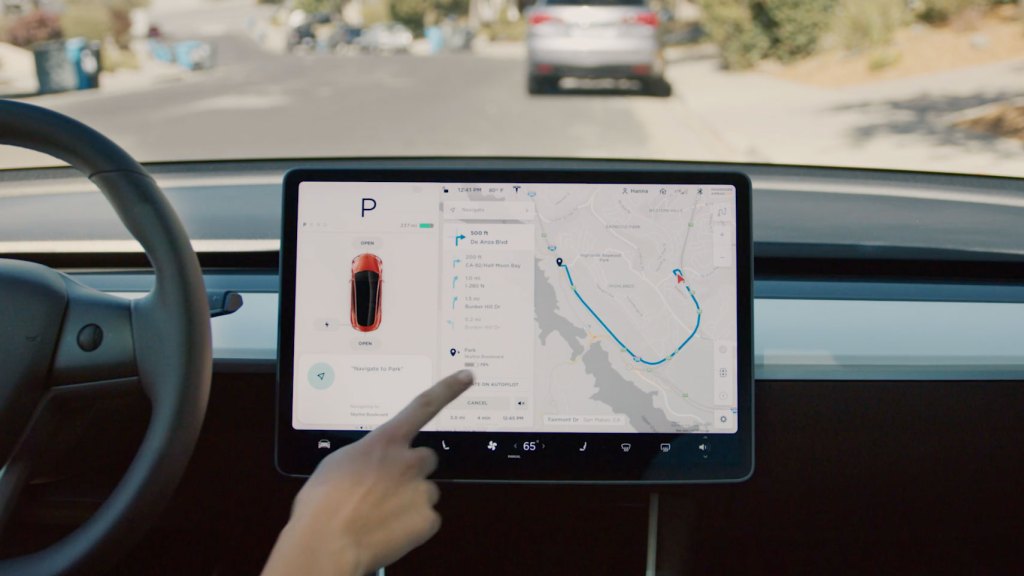
This ruling underscores the growing scrutiny over the safety and marketing of advanced driver assistance systems (ADAS). Tesla’s Autopilot has been a focal point in discussions about the capabilities and limitations of such technologies. The court’s decision may set a precedent for how liability is determined in accidents involving semi-autonomous driving systems.
Broader Context and Regulatory Actions
Tesla has faced multiple legal challenges concerning its Autopilot system. In December 2025, a judge ruled that Tesla engaged in deceptive marketing practices by overstating the capabilities of Autopilot and Full Self-Driving features. This led to the California Department of Motor Vehicles considering a suspension of Tesla’s sales and manufacturing licenses in the state. However, Tesla avoided this suspension by ceasing the use of the term Autopilot in its marketing materials.
Consumer and Industry Reactions
Consumer advocacy groups have expressed concerns about the safety of Tesla’s driver assistance systems. In December 2023, Consumer Reports criticized Tesla’s recall fix for Autopilot as insufficient, highlighting ongoing issues with the system’s performance and the company’s approach to addressing safety concerns.
Conclusion
The court’s decision to uphold the $243 million verdict against Tesla marks a pivotal moment in the ongoing debate over the safety and accountability of advanced driver assistance systems. As the automotive industry continues to innovate, this case serves as a reminder of the importance of transparency, accurate marketing, and the need for robust safety measures in the development and deployment of semi-autonomous driving technologies.