Anthropic-Funded PAC Supports Alex Bores Amid AI Regulation Debate
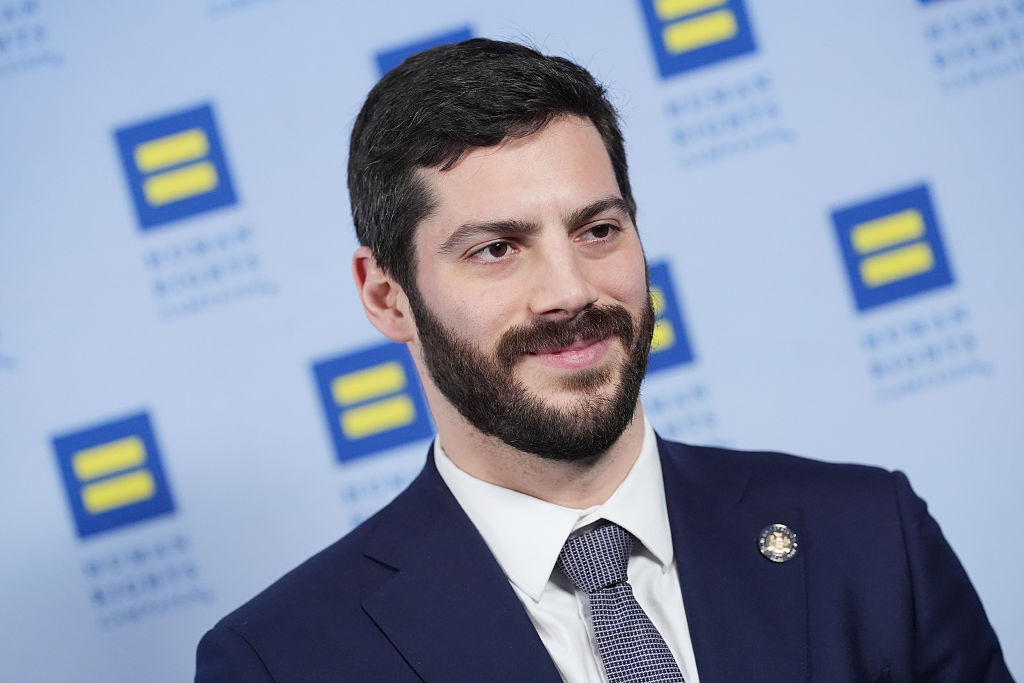
In the evolving landscape of artificial intelligence (AI) regulation, New York Assembly member Alex Bores has emerged as a central figure. His sponsorship of the RAISE Act, a bill mandating major AI developers to disclose safety protocols and report significant misuse, has positioned him at the forefront of the AI policy debate. This stance has attracted both support and opposition from influential entities within the tech industry.
The RAISE Act: A Push for AI Transparency
The RAISE Act, championed by Bores, seeks to establish clear guidelines for AI developers operating in New York. By requiring transparency in safety measures and accountability for misuse, the legislation aims to protect consumers and ensure ethical AI development. Bores’ proactive approach reflects a growing concern among policymakers about the rapid advancement of AI technologies and the potential risks they pose without proper oversight.
Leading the Future: A Pro-AI Super PAC’s Opposition
In response to Bores’ legislative efforts, Leading the Future, a pro-AI super PAC, has launched a campaign to challenge his congressional bid. Backed by over $100 million from prominent tech figures and firms—including venture capital giant Andreessen Horowitz, OpenAI President Greg Brockman, AI search startup Perplexity, and Palantir co-founder Joe Lonsdale—the PAC advocates for minimal regulatory intervention in AI development. Their substantial financial resources have been directed toward advertisements and initiatives opposing Bores, arguing that stringent regulations like the RAISE Act could stifle innovation and hinder the United States’ competitive edge in the global AI race.
Public First Action: Anthropic’s Countermeasure
Contrasting the stance of Leading the Future, Public First Action, a political action committee supported by a $20 million donation from AI safety-focused company Anthropic, has stepped in to bolster Bores’ campaign. Allocating $450,000 to support his congressional run, Public First Action promotes a vision of AI development that emphasizes transparency, safety standards, and public oversight. This support underscores a divide within the tech industry between those advocating for rapid, unregulated AI advancement and those calling for responsible, transparent development practices.
The Broader Implications for AI Policy
The clash between these two super PACs highlights a broader debate over the future of AI regulation in the United States. On one side, industry leaders and investors push for a laissez-faire approach, fearing that regulations could impede technological progress and economic growth. On the other, policymakers and advocacy groups stress the need for safeguards to prevent potential harms associated with unchecked AI development, such as privacy violations, biased algorithms, and unintended societal consequences.
Bores’ Stance and the Path Forward
Despite facing significant opposition from well-funded industry groups, Bores remains steadfast in his commitment to AI regulation that prioritizes public interest. He argues that establishing basic rules of the road is not anti-innovation but rather a necessary step to build public trust in AI technologies. Bores believes that the AI systems that will ultimately succeed are those that are trustworthy and developed with consideration for their societal impact.
The support from Public First Action not only provides Bores with the financial backing to counteract the attacks from Leading the Future but also signals a growing recognition within the tech community of the importance of responsible AI development. Anthropic’s involvement suggests that some industry players are willing to invest in a future where AI advancements are balanced with ethical considerations and public accountability.
Conclusion
The battle over Alex Bores’ congressional bid serves as a microcosm of the larger conversation about AI regulation in the United States. As AI technologies continue to evolve and integrate into various aspects of society, the decisions made today regarding their oversight will have lasting implications. The contrasting approaches of Leading the Future and Public First Action reflect the ongoing tension between innovation and regulation—a dynamic that will shape the trajectory of AI development for years to come.