Supreme Court Overturns Trump’s Tariffs, Prompting Economic and Political Repercussions
On February 20, 2026, the United States Supreme Court delivered a landmark 6-3 decision declaring that former President Donald Trump’s extensive tariffs, implemented under the International Emergency Economic Powers Act (IEEPA), were unconstitutional. This ruling has profound implications for international trade, domestic businesses, and the scope of presidential authority.
Background on the Tariffs
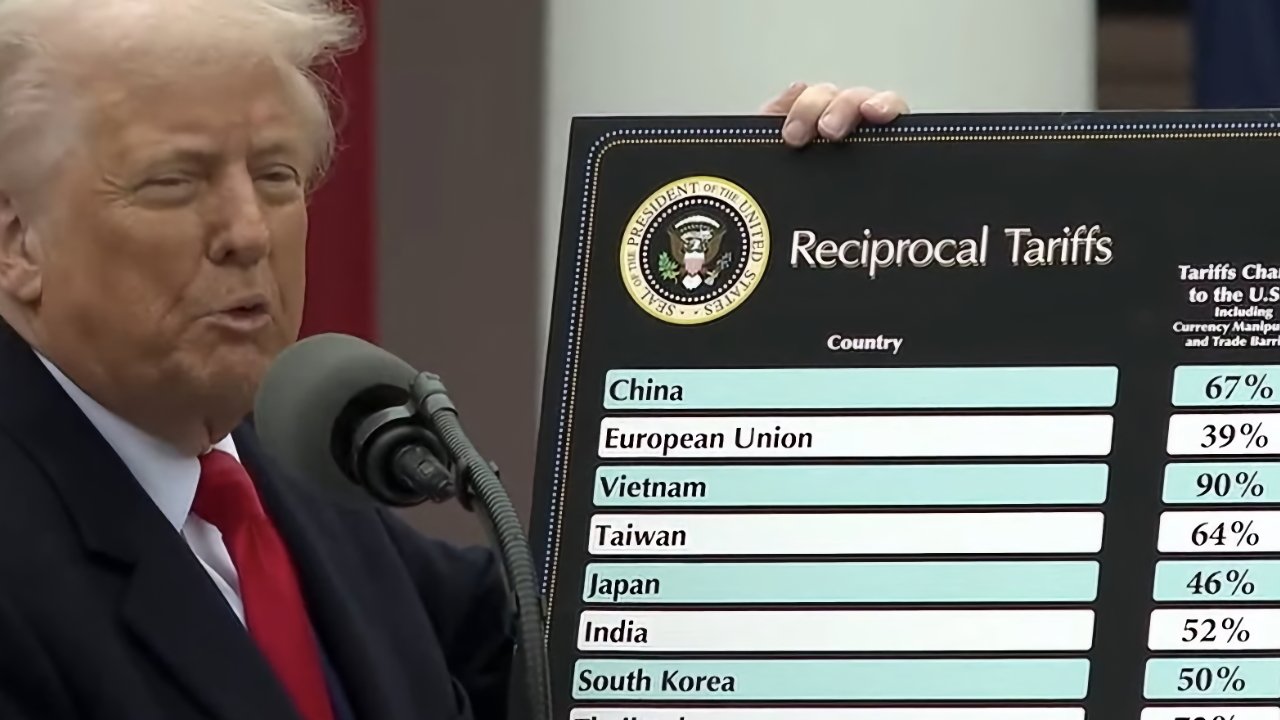
In April 2025, President Trump invoked the IEEPA to impose broad reciprocal tariffs on numerous countries, aiming to address perceived trade imbalances and protect national security interests. These tariffs affected a wide array of imported goods, including technology products, and were projected to generate over $133 billion in revenue, with a potential $3 trillion impact over a decade. Apple Inc., among other companies, faced significant financial burdens due to these tariffs, reportedly incurring costs exceeding $3.2 billion.
Supreme Court’s Decision
The Supreme Court’s majority opinion, authored by Chief Justice John Roberts and joined by Justices Sonia Sotomayor, Elena Kagan, Neil Gorsuch, Amy Coney Barrett, and Ketanji Brown Jackson, emphasized that the Constitution grants Congress, not the President, the authority to impose taxes and tariffs during peacetime. The Court invoked the major questions doctrine, underscoring that significant economic decisions require clear congressional authorization. The ruling invalidated the tariffs imposed under the IEEPA, stating that the Act does not grant the President the power to unilaterally set tariffs.
Reactions and Immediate Responses
President Trump expressed strong disapproval of the Court’s decision, criticizing the justices who ruled against him and labeling them a disgrace to our nation. He announced plans to impose a new 10% global tariff through an executive order under Section 122 of the Trade Act of 1974, which allows for temporary tariffs lasting up to 150 days. This move indicates his intent to continue pursuing aggressive trade policies despite legal setbacks.
Illinois Governor JB Pritzker called for refunds to state residents who had been adversely affected by the tariffs, highlighting the financial strain on families and businesses. He criticized the tariffs for harming farmers, damaging international alliances, and driving up food costs. The White House dismissed Pritzker’s demands as a publicity stunt, citing Illinois’ high taxes and regulations.
Economic and Legal Implications
The Supreme Court’s ruling has significant economic implications. The tariffs had generated approximately $89 billion in revenue, which had been used to support prior tax cuts. With the invalidation of these tariffs, the government faces potential refund claims from businesses that had paid these duties. The decision also establishes new limits on presidential powers in the realm of international trade, reinforcing the constitutional balance between the executive and legislative branches.
While the ruling blocks the specific tariffs imposed under the IEEPA, it leaves open the possibility for the President to impose duties through other, more constrained legal avenues. This introduces uncertainty regarding future trade policy and its impact on international economic relationships. Economists and industry groups expect little change in tariff revenue, as President Trump plans to use other legal provisions for further levies.
Impact on Businesses and Consumers
The tariffs had a substantial impact on businesses and consumers. Companies like Apple Inc. faced increased costs, which were often passed on to consumers in the form of higher prices. Small businesses and trade groups, who had challenged the tariffs in court, celebrated the Supreme Court’s decision as a victory for fair trade practices and economic stability. The ruling also raises questions about potential refunds for companies affected by prior tariffs, adding another layer of complexity to the economic landscape.
International Reactions
The international community had mixed reactions to the Supreme Court’s decision. Countries like Brazil and members of the Association of Southeast Asian Nations (ASEAN) viewed the ruling favorably, seeing it as a step toward more predictable trade relations. In contrast, Argentina and some European countries expressed concerns about rising uncertainty in global trade dynamics. The decision also prompted discussions about the validity of trade agreements that had been secured using tariff threats, further complicating international economic relationships.
Future Outlook
The Supreme Court’s ruling marks a significant moment in U.S. trade policy and the delineation of presidential authority. While it curtails the President’s ability to unilaterally impose tariffs under the IEEPA, it does not eliminate the possibility of future tariffs implemented through other legal mechanisms. The decision is likely to influence ongoing debates about the balance of power between the executive and legislative branches, as well as the future direction of U.S. trade policy.
As the government and businesses navigate the aftermath of this ruling, the focus will be on addressing the economic repercussions, including potential refunds and adjustments to trade strategies. The situation underscores the importance of clear legal frameworks and the need for collaboration between branches of government to formulate effective and lawful trade policies.