Android vs. iOS Security in 2026: Evaluating the Safety of Your Smartphone
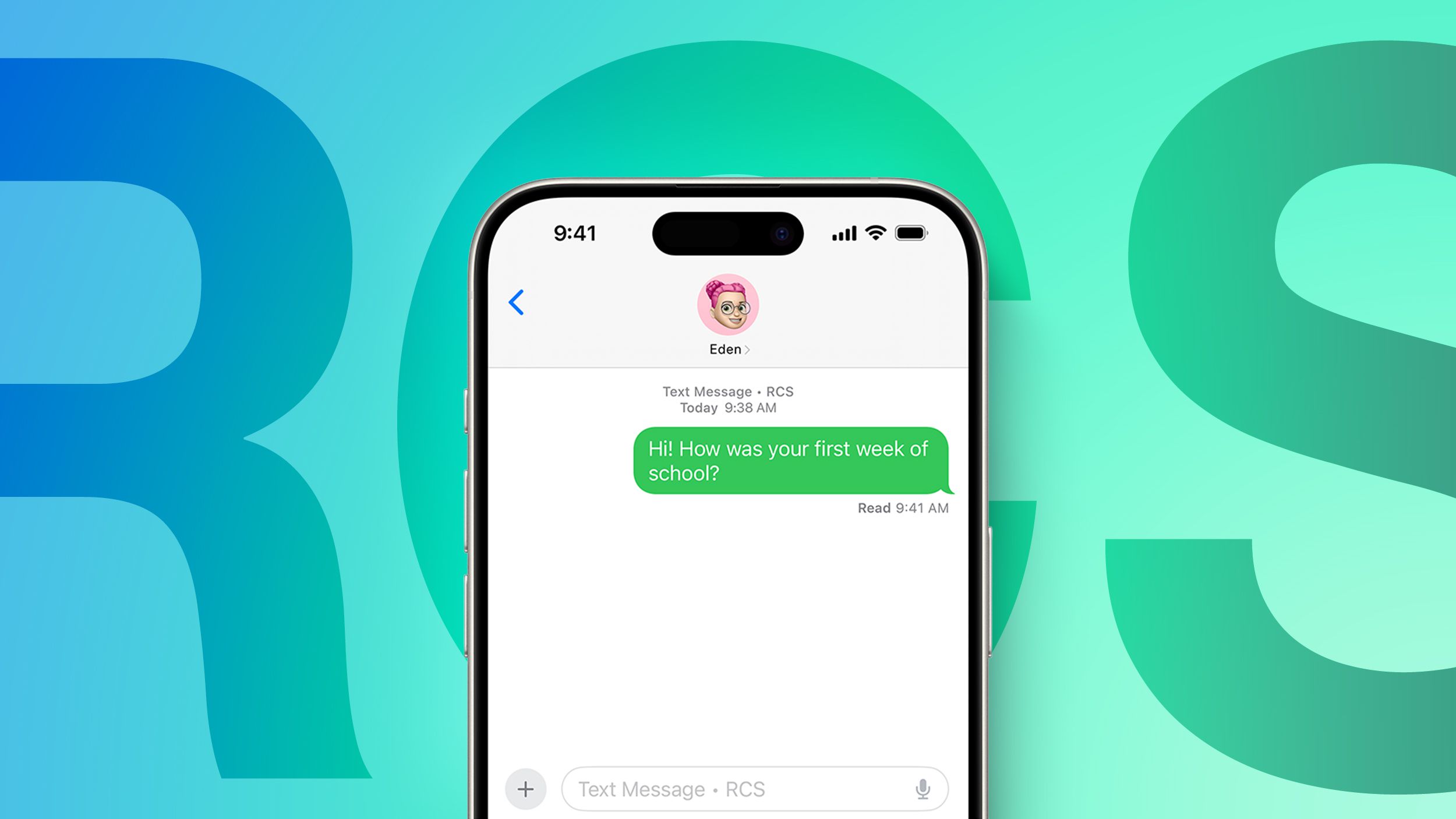
For years, the consensus was clear: if security was your priority, the iPhone was the go-to device. However, recent developments have prompted a reevaluation of this belief. A late-2025 report highlighted by Forbes referenced research from Counterpoint Research, indicating that Android devices, particularly Google’s Pixel series, may now offer superior default protections against spam calls, phishing texts, and AI-driven scams. This revelation has sparked a broader discussion: has the security dynamic between Apple and Google shifted?
The Claim That Sparked the Debate
The findings from Counterpoint Research suggest that Android devices, especially Google’s Pixel lineup, have enhanced their defenses against common consumer threats. This means Android may now intercept and block more spam calls and phishing attempts before they reach the user. Given the prevalence of such threats, this advancement is noteworthy. However, it’s essential to recognize that this is just one facet of the broader security landscape.
Security Architecture: Closed vs. Open Systems
The foundational differences between Apple’s and Google’s approaches to security remain significant.
Apple’s Model
Apple operates a tightly controlled ecosystem. Every app undergoes a rigorous review process, and strict sandboxing ensures that applications operate within confined environments. The integration of hardware and software allows Apple to deploy security updates simultaneously across all supported devices. This unified approach means that when a vulnerability is addressed, the fix reaches hundreds of millions of devices at once. Consequently, mass malware outbreaks on iOS are rare, a fact corroborated by various security firms.
Google’s Model
In contrast, Google’s Android platform is open-source, allowing manufacturers to customize it extensively. While this flexibility fosters innovation, it also leads to fragmentation. Some Android devices receive monthly security patches promptly, while others may experience significant delays or cease receiving updates altogether after a few years. This variability can increase exposure to potential threats.
Malware: A Persistent Challenge
When examining traditional malware threats such as trojans, spyware, and malicious apps, Android continues to be the primary target. Security industry reports consistently indicate a higher volume of malware families affecting Android compared to iOS. This doesn’t imply that iPhones are immune. High-profile spyware campaigns have targeted iOS users, particularly journalists and political figures. However, these attacks are typically sophisticated and targeted, unlike the mass-distributed malware more common on Android.
Advancements in Scam and Phishing Protections
Android has made significant strides in integrating AI into its messaging and call screening systems. These enhancements have led to real-time, local detection of scams, effectively reducing the number of phishing attempts that reach users. Conversely, some research suggests that iPhone users may encounter more phishing attempts that successfully bypass existing filters. User behavior also plays a role. A 2025 consumer study from Malwarebytes found that iPhone users were more likely to reuse passwords, fall for social engineering scams, and neglect additional security tools. This doesn’t necessarily indicate weaker security on iPhones but suggests that users may feel a false sense of security and act less cautiously.
The Importance of Timely Updates
When vulnerabilities are discovered, Apple’s iOS patches are rolled out simultaneously to nearly all supported devices, minimizing the window of exposure. In contrast, Android’s update process is often dependent on device manufacturers, leading to potential delays unless you’re using a Pixel device. This difference underscores the importance of timely updates in maintaining device security.
Is the iPhone Less Secure in 2026?
The assertion that Android has become safer oversimplifies the complex security landscape. Security isn’t a binary measure but a layered one, with real stakes involved. Modern smartphones store a wealth of sensitive information, from personal identification documents to banking details and private communications. The attack surface has never been broader.
Choosing between Android and iOS in 2026 isn’t about determining which platform is secure and which isn’t. It’s about understanding the specific risks associated with each and how they align with your personal security needs. Neither platform is invulnerable, but both have made significant advancements over the past five years. The most prudent approach isn’t switching ecosystems out of fear but adopting best practices: keeping your device updated, using strong, unique passwords, enabling two-factor authentication, and exercising caution before clicking on unfamiliar links.