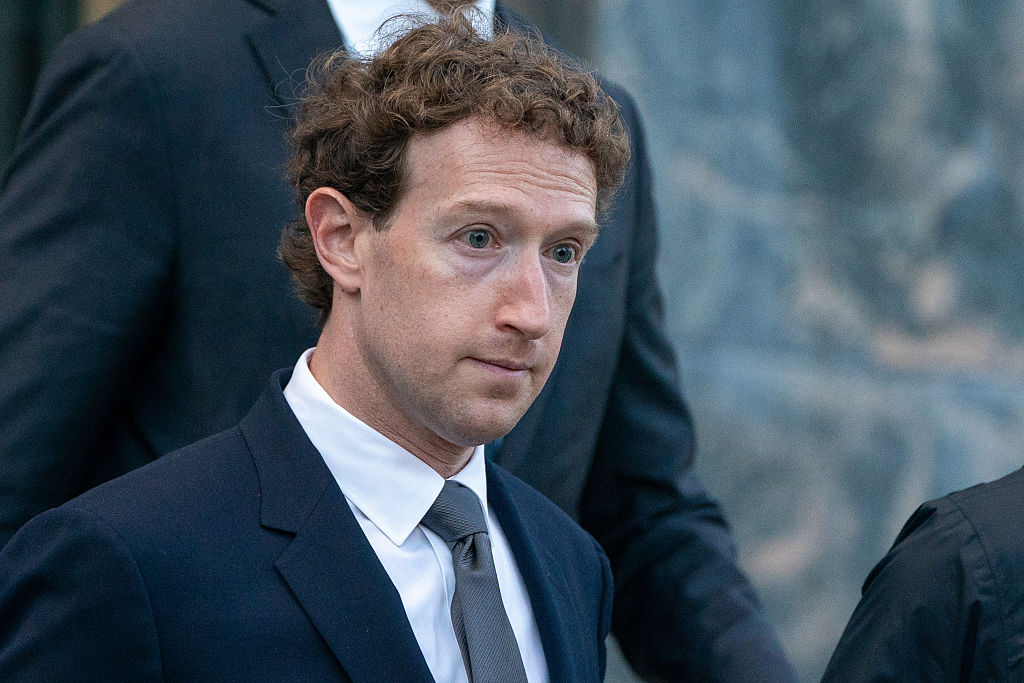
Mark Zuckerberg Testifies in Landmark Trial Over Social Media’s Impact on Teen Mental Health
In a pivotal legal proceeding at the Los Angeles Superior Court, Meta CEO Mark Zuckerberg took the stand to address allegations concerning the addictive nature and potential harm of social media platforms on teenagers and children. This case, initiated by a 20-year-old plaintiff identified as KGM, seeks to determine the extent of responsibility that tech giants like Meta bear for the mental health challenges faced by young users.
Internal Research Highlights Concerns
Central to the trial is Meta’s internal research, which has surfaced troubling insights. Studies indicate that parental supervision alone is insufficient in curbing teens’ compulsive engagement with social media. Notably, adolescents who have encountered traumatic life events exhibit a heightened propensity for excessive social media use. These findings challenge the effectiveness of existing parental controls and underscore the need for more robust protective measures.
Scrutiny Over User Engagement Strategies
During the proceedings, KGM’s legal team presented evidence suggesting that Meta actively pursued strategies to increase user engagement. A 2015 email chain revealed Zuckerberg’s directive to boost users’ time spent on Instagram by 12%. This revelation stands in contrast to his earlier congressional testimony, where he denied setting such goals for employees. The discrepancy raises questions about the company’s transparency and its commitment to user well-being.
Debate on Beauty Filters and Age Verification
The trial also delved into Instagram’s implementation of beauty filters, a feature that has been criticized for potentially distorting users’ self-image. Meta’s own experts have recommended banning these filters for teen users due to their possible negative impact on mental health. Additionally, internal documents from 2018 estimated that, as of 2015, approximately 4 million children under the age of 13 had Instagram accounts, with about 30% of U.S. children aged 10-12 using the platform. Zuckerberg acknowledged the challenges in age verification and suggested that smartphone manufacturers, such as Apple, could play a more significant role in this process. Apple has recently introduced age assurance tools for developers, reflecting a broader industry effort to address these concerns.
Meta’s Defense and Broader Implications
Throughout his testimony, Zuckerberg maintained that certain statements and documents were misrepresented or taken out of context. Meta’s defense team argued that KGM’s mental health issues stemmed from personal experiences rather than the influence of social media platforms. This case is part of a broader legal landscape where other social media companies, including TikTok and Snap, have faced similar lawsuits. Notably, TikTok and Snap settled their cases prior to trial, while YouTube and Meta continue to defend their platforms.
Potential Outcomes and Industry Impact
The outcome of this trial could have far-reaching consequences for the tech industry. A ruling against Meta may prompt significant reforms, leading to the implementation of new laws and regulations aimed at protecting young users. Furthermore, it could result in settlements for victims who have experienced harm due to social media use. As the trial progresses, it serves as a critical examination of the responsibilities that social media companies have in safeguarding the mental health of their youngest users.