Apple’s Legal Battle with Jon Prosser Intensifies Amid Ongoing Leaks
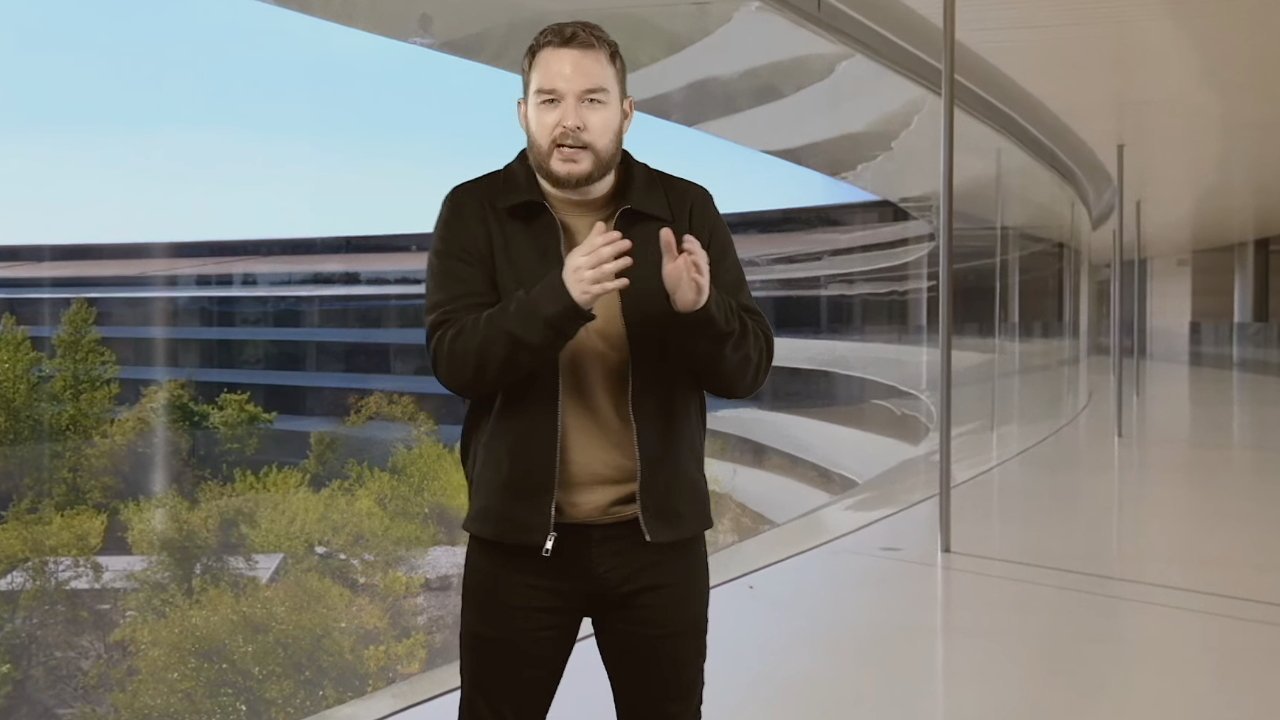
In July 2025, Apple initiated legal proceedings against YouTuber Jon Prosser, accusing him of misappropriating trade secrets by leaking design details of the then-unreleased iOS 26. Despite the ongoing lawsuit, Prosser has continued to produce videos discussing Apple rumors, leading to further legal complications.
Background of the Case
The controversy began in March 2025 when Prosser showcased alleged interfaces of the iMessage and Camera apps from what was referred to as iOS 19 at the time. In April 2025, he released design details of the forthcoming iOS 26, utilizing artificial recreations to protect his source. Apple quickly identified the source of the leak, leading to a lawsuit against Prosser and his associate, Michael Ramacciotti, for misappropriation of trade secrets and violations of the Computer Fraud and Abuse Act. Apple alleged that Ramacciotti accessed a development iPhone belonging to his friend, then-Apple employee Ethan Lipnik, without Lipnik’s knowledge. Ramacciotti reportedly obtained the device’s password and shared its operating system with Prosser via FaceTime. As a result, Lipnik was terminated from his position, and both Prosser and Ramacciotti faced legal action. ([appleinsider.com](https://appleinsider.com/articles/25/07/18/apple-sues-jon-prosser-over-ios-26-leaks?utm_source=openai))
Legal Developments
In October 2025, Apple claimed that Prosser missed a court deadline, leading the court to proceed without his response. Prosser denied this, stating he had been in active communication with Apple since the case’s inception. Despite his claims, the court granted Apple’s request to continue the case without Prosser’s response. ([appleinsider.com](https://appleinsider.com/articles/25/10/20/apples-leaker-lawsuit-marches-on-after-jon-prosser-misses-deadlines?utm_source=openai))
As of February 2026, Prosser has been served with document and deposition subpoenas, requiring him to provide sworn, out-of-court testimony. This deposition aims to determine the extent of the confidential information Prosser obtained and disseminated. Apple is seeking an injunction to prevent Prosser from disclosing any further confidential, proprietary, or trade secret information without written consent. Additionally, Apple is requesting damages, with the amount to be determined during a jury trial, along with reimbursement for attorneys’ fees. ([appleinsider.com](https://appleinsider.com/articles/26/02/20/leakers-legal-troubles-havent-ended-as-he-makes-more-videos?utm_source=openai))
Co-Defendant’s Position
Michael Ramacciotti, Prosser’s co-defendant, has been more cooperative in the legal process. He has provided Apple with computers and archives for forensic review and was deposed on December 17, 2025. In October 2025, it was reported that Ramacciotti was in discussions with Apple regarding a potential settlement, indicating a willingness to resolve the matter outside of court. ([appleinsider.com](https://appleinsider.com/articles/25/10/24/jon-prossers-co-defendant-could-settle-leak-lawsuit-with-apple?utm_source=openai))
Implications and Industry Impact
This case underscores the ongoing tension between tech companies and individuals who leak proprietary information. While leaks can generate public interest and excitement, they can also undermine a company’s strategic plans and competitive edge. Apple’s aggressive legal stance reflects its commitment to protecting its intellectual property and deterring future leaks.
The outcome of this lawsuit could set a precedent for how similar cases are handled in the future, potentially influencing the behavior of tech journalists, bloggers, and content creators who deal with confidential information.
Conclusion
As the legal proceedings continue, the tech community watches closely to see how the case unfolds. The balance between journalistic freedom and corporate confidentiality remains a contentious issue, and the resolution of this case may have lasting implications for both content creators and corporations alike.