iPhone’s Satellite SOS Feature Rescues Six Skiers After Lake Tahoe Avalanche
On February 18, 2026, a guided ski group of six individuals found themselves in a perilous situation when an avalanche struck near Lake Tahoe, California. Stranded in a remote area devoid of cellular service, the group faced significant challenges in seeking assistance. Fortunately, they utilized Apple’s Emergency SOS via satellite feature on their iPhones, enabling them to establish and maintain communication with rescue teams for approximately four hours. This continuous contact was instrumental in coordinating their successful rescue.
Understanding Emergency SOS via Satellite
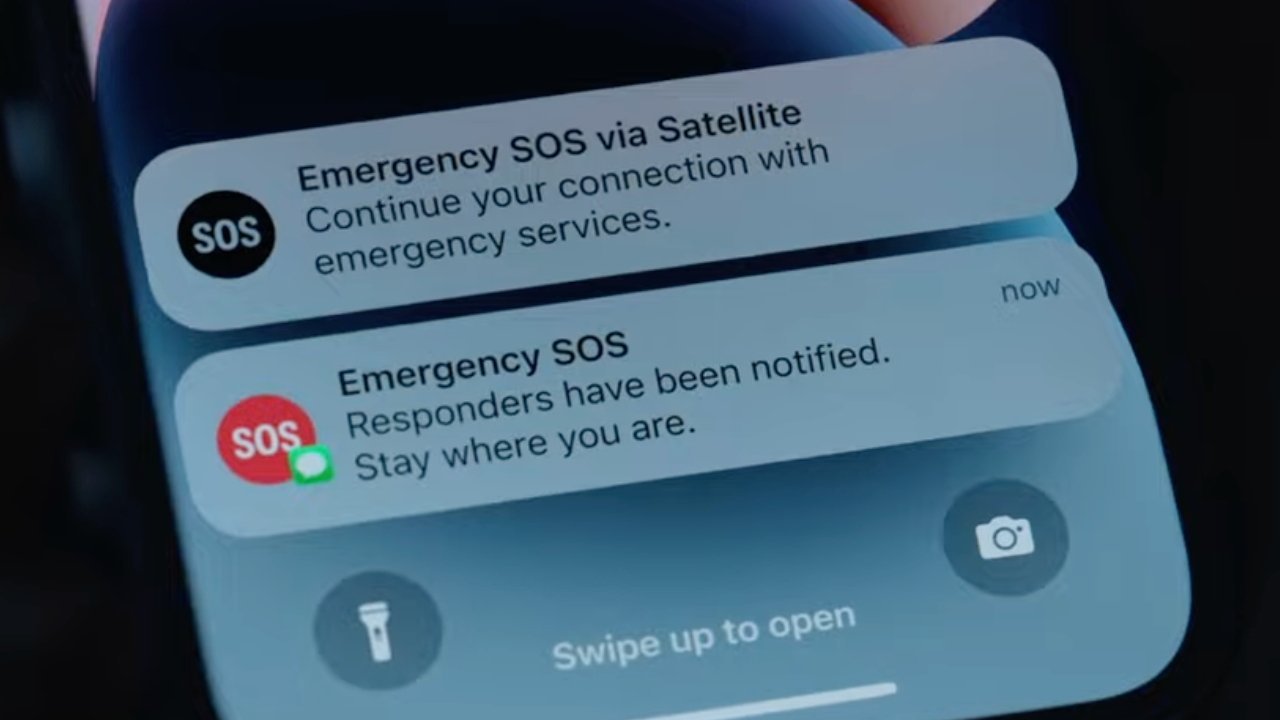
Introduced with the iPhone 14 series in 2022, Apple’s Emergency SOS via satellite is designed to assist users in emergencies when traditional cellular and Wi-Fi networks are unavailable. This feature allows users to send text messages to emergency services by connecting directly to satellites. To utilize this service, users must be outdoors with a clear view of the sky and horizon to establish a satellite connection. Apple recommends attempting a standard emergency call, such as 911 in the U.S., before resorting to satellite communication if the call fails.
In the United States, the Emergency SOS via satellite feature requires iOS 16.1 or later and is compatible with iPhone 14 and newer models. Apple offers this service free of charge for two years following device activation, though long-term pricing details for other regions have yet to be announced.
The Role of Emergency SOS in the Lake Tahoe Rescue
During the Lake Tahoe incident, the skiers’ ability to maintain two-way communication with rescuers was crucial. One of the rescuers, Don O’Keefe, law enforcement chief for the agency, reported that his personnel communicated with a guide for roughly four hours. The information relayed through the iPhone helped coordinate the response with the Nevada County Sheriff’s Office. This sustained communication allowed rescue teams to assess conditions, plan their approach, and prioritize resources effectively.
While the iPhone’s satellite feature was not the sole factor in the rescue, it played a direct and significant role in maintaining communication during a critical period. This incident underscores the practical value of Apple’s satellite emergency system in real-world, life-threatening situations.
How Emergency SOS via Satellite Operates
When a user attempts to make an emergency call without cellular or Wi-Fi coverage, the iPhone prompts the option to send an emergency text via satellite. The device then guides the user to position it correctly to establish a satellite connection. Once connected, the iPhone sends a text message containing essential information, including the user’s location and the nature of the emergency, to emergency responders.
Emergency responders receiving satellite texts can request additional details, such as the user’s precise location and remaining battery life. This information aids in planning the rescue operation and allocating resources appropriately, especially in remote or challenging terrains.
Broader Implications and Adoption
Apple’s introduction of consumer satellite emergency texting at scale in the United States marked a significant advancement in smartphone safety features. Competitors have since followed suit, with certain Google Pixel models offering similar satellite emergency messaging capabilities. This trend indicates a growing recognition of the importance of satellite connectivity as a standard safety feature in premium smartphones.
The Lake Tahoe rescue serves as a compelling example of how technology can bridge communication gaps in areas lacking reliable cellular coverage. Mountain regions, such as the Sierra Nevada, often have limited network access, making satellite texting a critical tool for emergency communication.
Conclusion
The successful rescue of six skiers after an avalanche near Lake Tahoe highlights the life-saving potential of Apple’s Emergency SOS via satellite feature. As technology continues to evolve, integrating such safety features into consumer devices can significantly enhance emergency response capabilities, particularly in remote or underserved areas. This incident underscores the importance of innovation in ensuring safety and connectivity, even in the most challenging circumstances.