Transforming the iPhone Air: A Transparent Design with a Physical SIM Slot
In a recent exploration of technological ingenuity, YouTuber Linzin delved into Huaqiangbei, China’s renowned electronics market, to document the transformation of an iPhone Air into a transparent device equipped with a physical SIM slot. This ambitious modification not only showcased the technical prowess of local technicians but also highlighted the delicate balance between design aesthetics and functional integrity in modern smartphones.
The Journey to Transparency
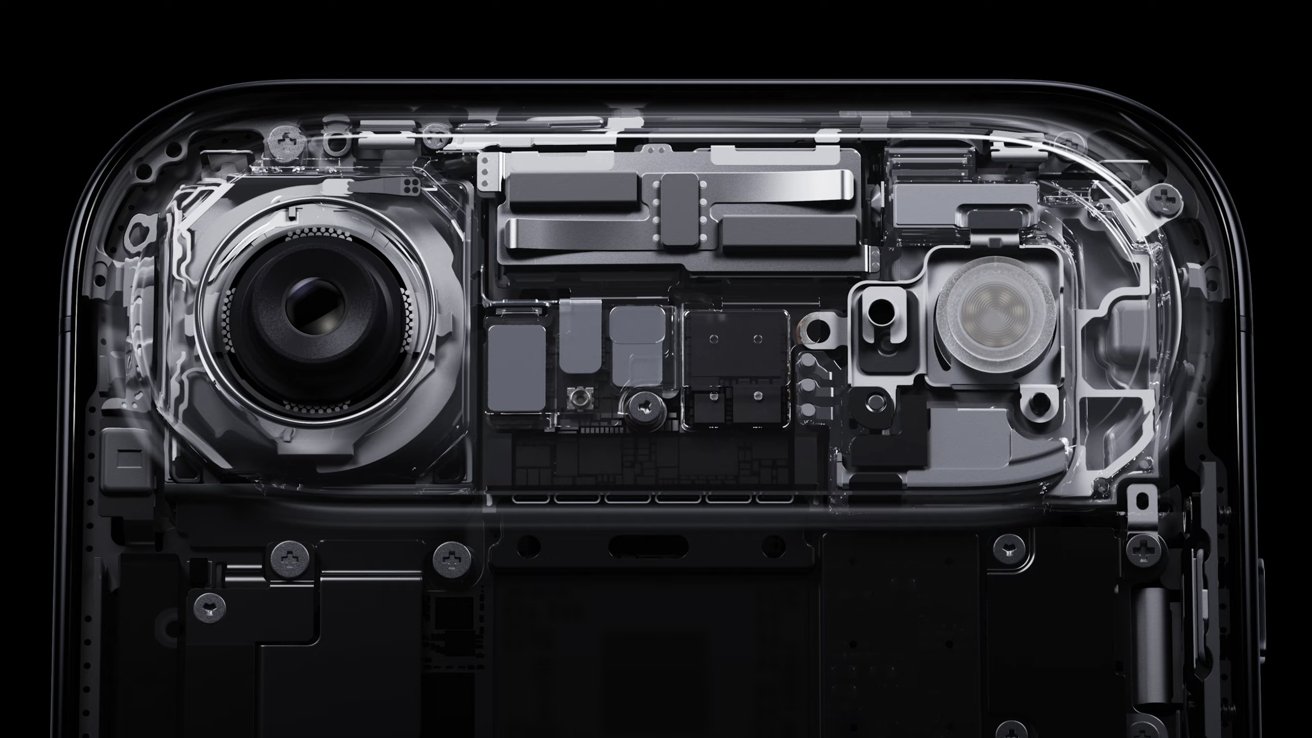
The process began with the meticulous removal of the internal paint layer from the iPhone Air’s rear glass using precision laser technology. This careful procedure unveiled the device’s internal components, offering a clear view into its intricate design. Special attention was given to preserving essential elements such as the MagSafe magnet ring and camera trim, ensuring that the device’s core functionalities remained intact.
However, this modification came at a cost. The removal of internal graphite thermal sheets, which are crucial for dissipating heat from the system-on-chip and battery, led to increased operating temperatures during stress tests. Apple’s original thermal management design prioritizes performance and long-term reliability, underscoring the challenges of altering such finely tuned systems.
Integrating a Physical SIM Slot
The iPhone Air’s ultra-thin frame, originally designed to support eSIM technology, presented a significant challenge for incorporating a physical SIM slot. Technicians employed a CNC milling machine to carve a precise opening in the metal chassis. This delicate operation required careful navigation around antenna lines and structural components to maintain signal integrity and device durability.
To accommodate the new SIM tray, the original Taptic Engine was replaced with a smaller linear motor. This substitution resulted in a slight degradation of haptic feedback, estimated at about 90% of the original performance. Apple’s Taptic Engine is meticulously engineered to provide precise haptic responses, and any reduction in size inevitably alters its vibration characteristics.
The modification also involved intricate board-level work, including laser-assisted rework and microscopic soldering, to ensure the new SIM tray interfaced correctly with the device’s cellular system. Upon completion, the modified iPhone Air successfully recognized a physical SIM card, though it required a reboot to detect hot-swapped cards.
Compromises and Considerations
While the modified iPhone Air functioned with the new transparent design and physical SIM slot, several compromises became evident:
– Increased Heat Generation: The absence of thermal management components led to higher operating temperatures under load.
– Reduced Water Resistance: The process of opening the chassis and milling the frame compromised the device’s original water-resistant seals.
– Haptic Feedback Degradation: The replacement of the Taptic Engine resulted in less responsive haptic feedback.
– Potential Hardware Issues: During subsequent use, the device experienced a microphone failure due to a loose ribbon cable, necessitating further repairs.
These outcomes highlight the intricate balance Apple maintains between design aesthetics, thermal management, haptic feedback, and structural integrity. The company’s design choices are informed by considerations of regulatory compliance, long-term durability, and consistent user experience across millions of devices.
Historical Context and Industry Trends
Apple’s pursuit of seamless design has been a consistent theme throughout its product history. Notably, Steve Jobs initially envisioned the original iPhone without a SIM card slot, aiming for a more integrated design. However, practical considerations and market realities led to the inclusion of the SIM tray. In recent years, Apple has been transitioning towards eSIM technology, with models like the iPhone 17 Air rumored to be eSIM-only to achieve ultra-thin profiles. This shift reflects a broader industry trend towards minimizing physical components to enhance design and functionality.
Conclusion
The transformation of the iPhone Air into a transparent device with a physical SIM slot serves as a testament to the ingenuity of hardware enthusiasts and the complexities involved in smartphone design. While such modifications can yield visually striking results, they often come with trade-offs that impact the device’s performance and durability. Apple’s design decisions are the result of careful consideration of various factors, including aesthetics, functionality, and user experience, underscoring the challenges inherent in altering such meticulously engineered devices.