Anticipating iOS 27: Refining Liquid Glass Under New Design Leadership
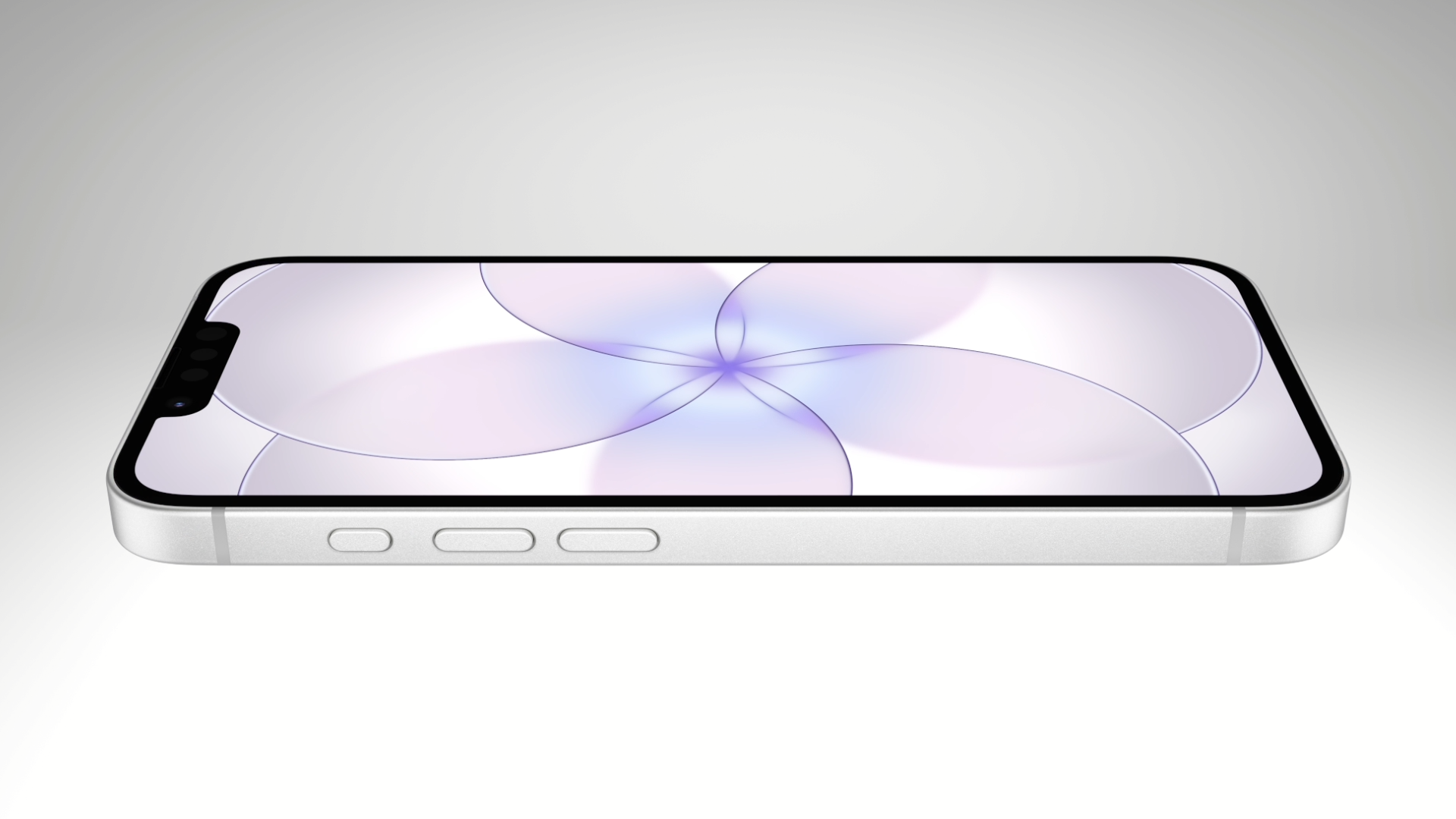
Apple’s forthcoming iOS 27 is poised to introduce subtle yet significant refinements to the iPhone’s user interface, particularly focusing on the Liquid Glass design that debuted with iOS 26. These anticipated changes are expected to reflect the vision of Apple’s new design leadership, marking a pivotal moment in the evolution of the company’s interface aesthetics.
Evolution of Liquid Glass
The Liquid Glass design, characterized by its transparency and fluidity, was a hallmark of iOS 26. This design language permeated various system elements, including app icons, toolbars, and system controls, offering a more immersive and dynamic user experience. However, its initial implementation received mixed feedback, prompting Apple to make iterative adjustments in subsequent updates.
In iOS 26.1, Apple introduced a toggle allowing users to choose between Clear and Tinted options for Liquid Glass, addressing concerns about readability and contrast. Further refinements in iOS 26.2 expanded customization options, such as adjusting the transparency of the Lock Screen clock and enhancing animations for pop-up menus and controls. These updates demonstrated Apple’s commitment to balancing aesthetic innovation with user functionality.
Design Leadership Transition
The development of iOS 27 coincides with a significant shift in Apple’s design leadership. In December 2025, Alan Dye, the Vice President of Human Interface Design, departed the company, and Steve Lemay, a 26-year Apple veteran, assumed the role. Lemay’s extensive experience and deep understanding of Apple’s design philosophy position him to steer the evolution of the user interface in new and exciting directions.
CEO Tim Cook praised Lemay’s contributions, stating, Steve Lemay has played a key role in the design of every major Apple interface since 1999. He has always set an extraordinarily high bar for excellence and embodies Apple’s culture of collaboration and creativity. This endorsement underscores the confidence in Lemay’s ability to lead Apple’s design team into its next chapter.
Anticipated Refinements in iOS 27
While iOS 27 is not expected to introduce a complete overhaul akin to the introduction of Liquid Glass, it is anticipated to bring thoughtful refinements that enhance usability and address user feedback. Potential areas of focus include:
– Enhanced Readability: Adjusting transparency levels to improve text legibility against various backgrounds.
– Consistent Animations: Refining animations to ensure a cohesive and intuitive user experience.
– User Customization: Expanding options for users to personalize the interface to their preferences.
These refinements are expected to reflect Lemay’s design philosophy, emphasizing a harmonious blend of form and function.
Community Expectations
The Apple user community has expressed a desire for specific improvements in the Liquid Glass design. Common requests include:
– Persistent Tab Bars: Ensuring that tab bars remain visible during scrolling to maintain easy navigation.
– Accessible Playback Controls: Preventing playback bars in Music and Podcasts from obscuring essential controls.
Addressing these concerns in iOS 27 would demonstrate Apple’s responsiveness to user feedback and its commitment to enhancing the overall user experience.
Conclusion
The upcoming release of iOS 27 represents a significant moment in Apple’s design evolution, offering an opportunity to refine the Liquid Glass interface under new leadership. By focusing on user-centric improvements and maintaining a balance between aesthetic appeal and functionality, Apple aims to deliver an interface that resonates with its diverse user base.