UK Consumers Withdraw £480 Million Lawsuit Against Qualcomm
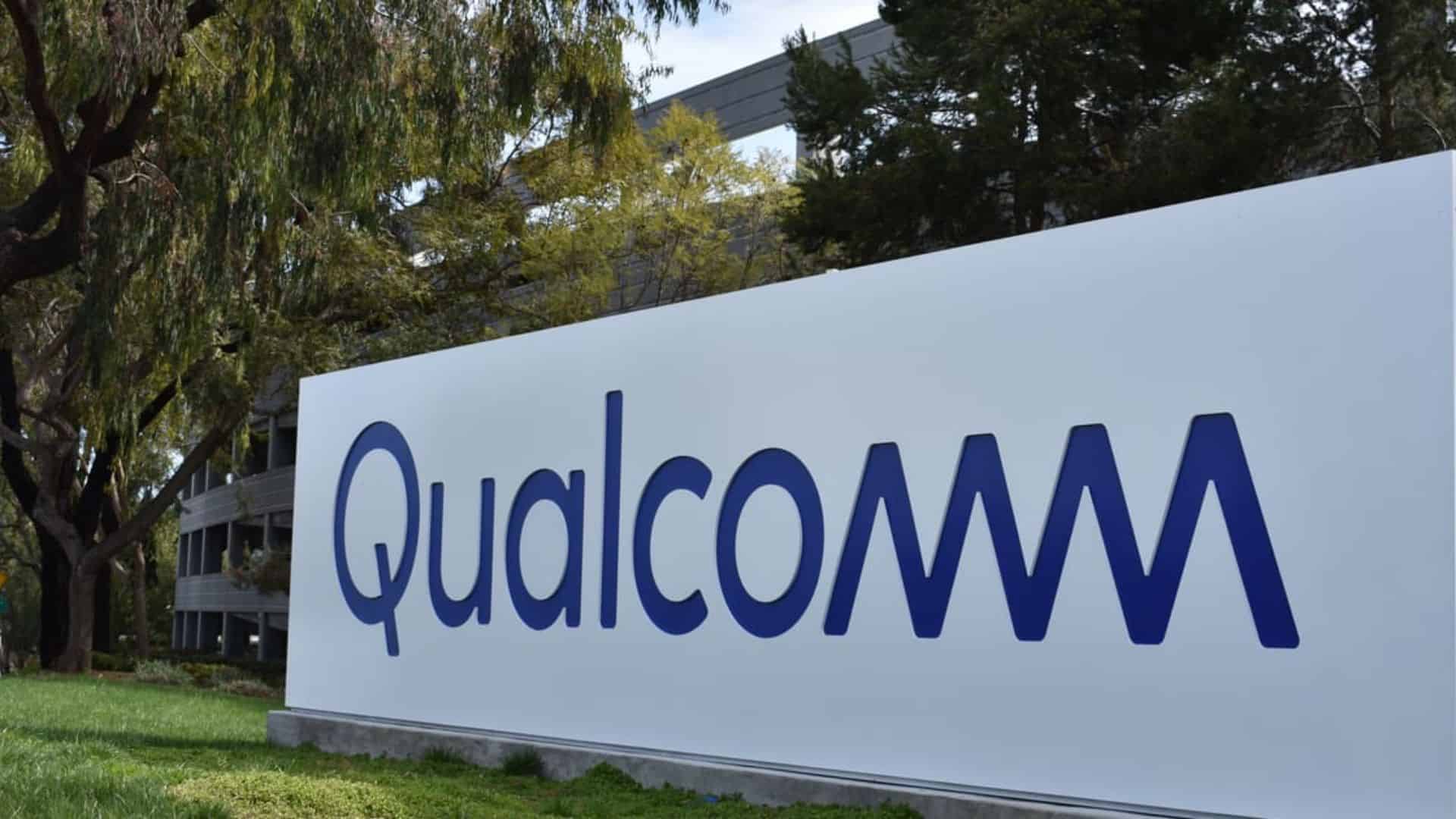
In a significant development within the tech industry, a substantial lawsuit initiated by UK consumers against Qualcomm has been voluntarily withdrawn. The case, which sought £480 million in compensation, alleged that Qualcomm’s patent licensing practices led to inflated smartphone prices, affecting approximately 29 million consumers who purchased devices since 2015.
Background of the Lawsuit
The core of the complaint centered on Qualcomm’s no license, no chips policy. This approach required smartphone manufacturers to license Qualcomm’s standard essential patents before they could purchase the company’s chipsets. Critics argued that this practice compelled manufacturers to pay royalties even when they opted for alternative components, thereby increasing the overall cost of devices such as Apple’s iPhone and various Samsung models.
Decision to Withdraw
The consumer group Which? spearheaded the lawsuit, aiming to represent the interests of millions of UK consumers. However, after a thorough review of the evidence and the likely direction of the Competition Appeal Tribunal’s ruling, Which? decided to withdraw the case without any financial settlement. The group concluded that the tribunal would likely determine that Qualcomm’s licensing model did not violate competition laws, did not result in inflated royalties, and did not lead to increased prices for consumers.
Qualcomm’s Response
Qualcomm welcomed the withdrawal of the lawsuit, viewing it as a validation of their business practices. A company spokesperson stated, This recognition by the class representative, following a trial on the merits, reaffirms what the courts in the United States have repeatedly held: Qualcomm’s licensing practices are lawful and do not harm competition.
Broader Implications
This case is part of a larger pattern of legal disputes involving Qualcomm and major smartphone manufacturers, including Apple and Samsung. These disputes often revolve around patent licensing and the associated costs passed on to consumers. Notably, Apple has been transitioning away from relying on Qualcomm’s cellular modems, moving towards developing its own in-house modem technology for newer iPhone models.
Conclusion
The withdrawal of this lawsuit marks a pivotal moment in the ongoing discourse surrounding patent licensing practices in the tech industry. It underscores the complexities involved in balancing intellectual property rights with fair market competition and consumer pricing. While this particular case has concluded without financial compensation, it highlights the need for continued scrutiny and dialogue regarding the practices of major technology firms and their impact on consumers.