Tesla’s Strategic Shift: Discontinuing ‘Autopilot’ to Align with California Regulations
In a significant move to align with California’s regulatory standards, Tesla has ceased using the term Autopilot in its marketing materials within the state. This decision has enabled the electric vehicle manufacturer to avoid a 30-day suspension of its sales and manufacturing licenses, a penalty that was looming due to allegations of deceptive marketing practices.
Background of the Regulatory Dispute
The California Department of Motor Vehicles (DMV) initiated action against Tesla in November 2023, accusing the company of misleading consumers by overstating the capabilities of its driver assistance systems, namely Autopilot and Full Self-Driving (FSD). The DMV contended that these terms could give consumers a false impression of the vehicles’ autonomous capabilities, potentially leading to unsafe driving practices.
Tesla’s Response and Terminology Adjustments
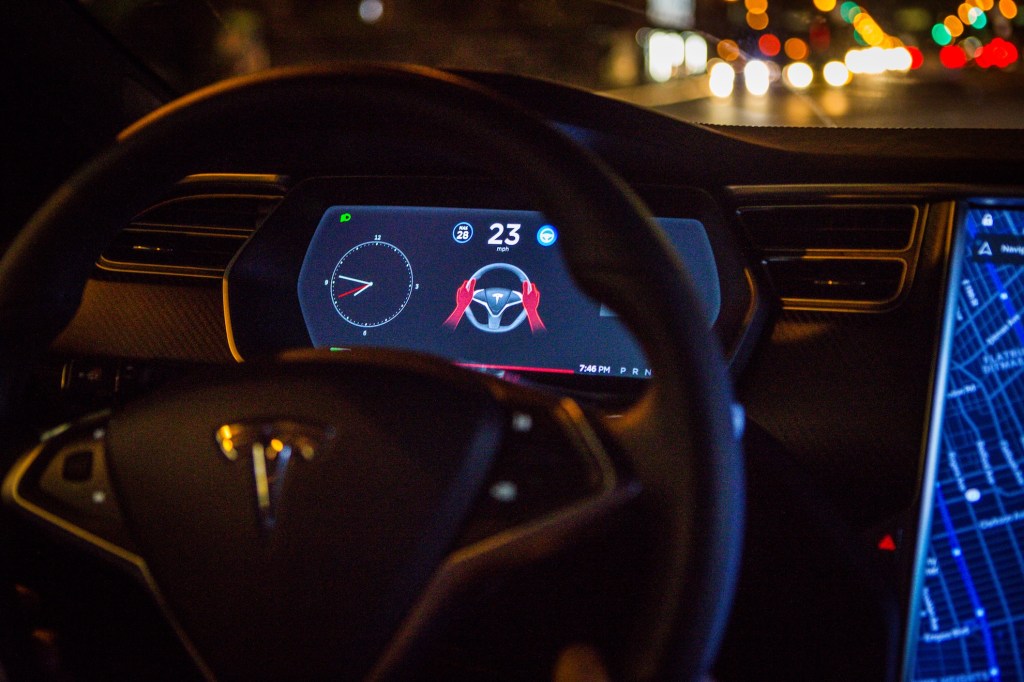
In response to the DMV’s concerns, Tesla made several adjustments to its product terminology. The company replaced Full Self-Driving Capability with Full Self-Driving (Supervised) to emphasize the necessity of driver oversight. However, Tesla initially retained the Autopilot branding, which continued to be a point of contention with the DMV.
Legal Proceedings and Potential Suspension
The dispute escalated to the California Office of Administrative Hearings, where an administrative law judge ruled in favor of the DMV’s request to suspend Tesla’s licenses for 30 days as a penalty for the alleged deceptive marketing. The DMV agreed with the ruling but provided Tesla with a 60-day window to comply with the required changes.
Tesla’s Compliance and Discontinuation of ‘Autopilot’
Within this compliance period, Tesla took decisive action by discontinuing the use of the Autopilot term in its California marketing materials. Furthermore, in January 2026, the company ceased offering the Autopilot feature in the U.S. and Canada altogether. This strategic move not only addressed regulatory concerns but also aimed to promote the adoption of its more advanced and revenue-generating FSD system, which requires a separate purchase.
Implications for Tesla and the Automotive Industry
By adhering to the DMV’s directives, Tesla has successfully avoided the suspension of its operational licenses in California, its largest U.S. market. This development underscores the growing scrutiny of autonomous vehicle technologies and the importance of transparent marketing practices. It also highlights the delicate balance companies must maintain between innovation, consumer perception, and regulatory compliance.