Global Movement to Restrict Children’s Access to Social Media Gains Momentum
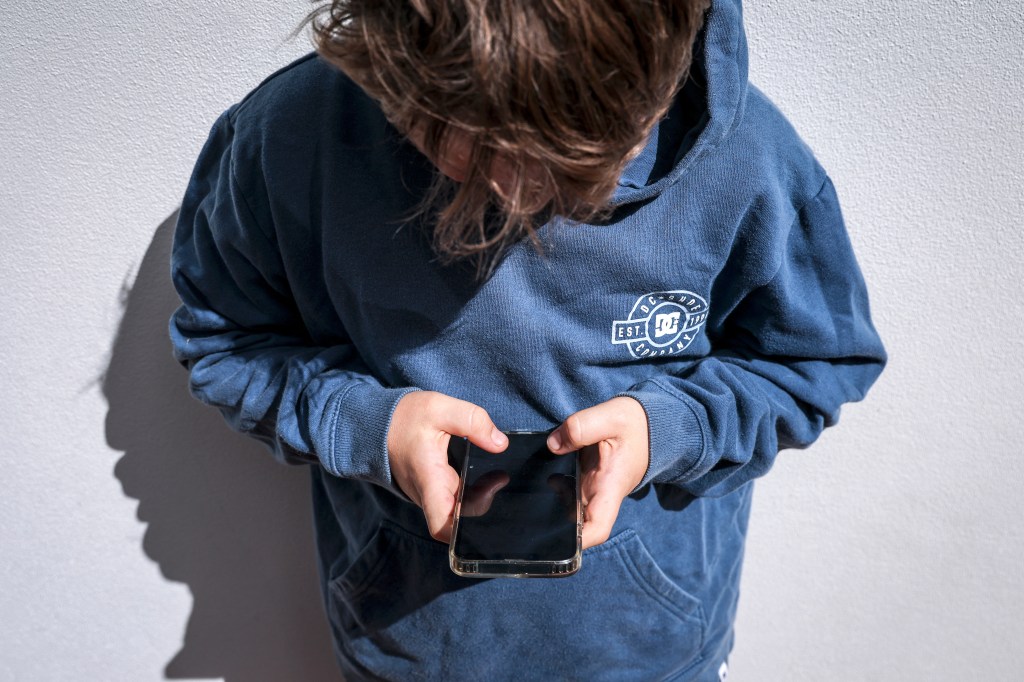
In recent years, a growing number of countries have initiated or proposed legislation aimed at restricting or banning social media access for children and teenagers. These measures are driven by concerns over online safety, mental health, and the potential exposure of minors to harmful content. Below is an overview of the countries leading this movement:
Australia
Australia set a global precedent by becoming the first country to implement a nationwide ban on social media for individuals under 16. Enacted in December 2025, the legislation prohibits minors from accessing platforms such as Facebook, Instagram, Snapchat, Threads, TikTok, X (formerly Twitter), YouTube, Reddit, Twitch, and Kick. Notably, the ban excludes WhatsApp and YouTube Kids. Social media companies are mandated to employ robust age verification methods beyond self-reported ages to enforce this restriction. Non-compliance can result in penalties up to $49.5 million AUD (approximately $34.4 million USD). ([techcrunch.com](https://techcrunch.com/2026/02/17/social-media-ban-children-countries-list/?utm_source=openai))
Denmark
Denmark is on track to ban social media access for children under 15. In November 2025, the Danish government announced it had secured support from multiple political parties for this initiative. The legislation could be enacted as early as mid-2026. To facilitate enforcement, Denmark’s digital affairs ministry is developing a digital evidence app equipped with age verification tools. ([techcrunch.com](https://techcrunch.com/2026/02/17/social-media-ban-children-countries-list/?utm_source=openai))
France
In January 2026, France’s Assemblée Nationale approved a bill prohibiting social media use for individuals under 15. President Emmanuel Macron has been a vocal supporter of this measure, emphasizing the need to protect children from excessive screen time and online risks. The bill requires Senate approval before becoming law. ([lemonde.fr](https://www.lemonde.fr/en/france/article/2026/01/27/french-lawmakers-approve-social-media-ban-for-under-15s_6749844_7.html?utm_source=openai))
Germany
Germany is considering a ban on social media for children under 16. In early February 2026, Chancellor Friedrich Merz’s conservative party discussed this proposal. However, there is hesitation among coalition partners regarding the implementation of an outright ban. ([techcrunch.com](https://techcrunch.com/2026/02/17/social-media-ban-children-countries-list/?utm_source=openai))
Greece
Reports from early February 2026 indicate that Greece is close to announcing a social media ban for children under 15. The specifics of the proposed legislation are yet to be detailed. ([techcrunch.com](https://techcrunch.com/2026/02/17/social-media-ban-children-countries-list/?utm_source=openai))
Malaysia
In November 2025, Malaysia announced plans to ban social media access for individuals under 16, with implementation slated for 2026. The government aims to protect minors from online harms through this measure. ([techcrunch.com](https://techcrunch.com/2026/02/17/social-media-ban-children-countries-list/?utm_source=openai))
Slovenia
Slovenia is drafting legislation to prohibit children under 15 from accessing social media platforms. The government intends to regulate networks where content is shared, citing platforms such as TikTok, Snapchat, and Instagram. ([techcrunch.com](https://techcrunch.com/2026/02/17/social-media-ban-children-countries-list/?utm_source=openai))
Spain
In early February 2026, Spanish Prime Minister Pedro Sánchez announced plans to ban social media for individuals under 16. The proposal requires parliamentary approval and is part of a broader effort to hold social media executives accountable for content on their platforms. ([apnews.com](https://apnews.com/article/77ac5a2e2078f175bd61dbfb5ad9deb7?utm_source=openai))
United Kingdom
The UK is considering a ban on social media for children under 16. The government plans to consult with parents, young people, and civil society to assess the effectiveness of such a ban. Additionally, there is consideration of requiring social media companies to limit or remove features that drive compulsive use, such as endless scrolling. ([techcrunch.com](https://techcrunch.com/2026/02/17/social-media-ban-children-countries-list/?utm_source=openai))
Other European Countries
Several other European nations are exploring similar restrictions:
– Austria: Discussions are underway regarding potential social media bans for minors, though specific age limits and timelines have not been finalized. ([cybernews.com](https://cybernews.com/privacy/two-countries-europe-plan-ban-social-media-kids/?utm_source=openai))
– Poland: The Civic Coalition party is drafting legislation to ban social media access for children under 15, aiming to finalize the law by February 2026 and implement it by Christmas 2027. ([cybernews.com](https://cybernews.com/privacy/two-countries-europe-plan-ban-social-media-kids/?utm_source=openai))
– Norway: In October 2024, the Norwegian government proposed raising the age at which children can consent to social media terms from 13 to 15. Additionally, work has begun on legislation to set an absolute minimum age limit of 15 for social media use. ([straitstimes.com](https://www.straitstimes.com/asia/from-australia-to-europe-countries-move-to-curb-childrens-social-media-access?utm_source=openai))
Global Context
The movement to restrict minors’ access to social media is not confined to Europe and Australia. In the United States, several states have passed or proposed laws requiring parental consent for minors to access social media, though many face legal challenges on free speech grounds. At the federal level, the Kids Off Social Media Act aims to bar under-13s and restrict algorithmic targeting for teens. ([time.com](https://time.com/7368633/spain-social-media-ban-under-16-sanchez-australia-france/?utm_source=openai))
Industry Response and Criticism
These legislative efforts have elicited varied responses from social media companies and advocacy groups. Critics argue that such bans may infringe on free speech rights and overlook the educational and social benefits of social media. Concerns have also been raised about the effectiveness of age verification methods and the potential for privacy violations. ([itif.org](https://itif.org/publications/2025/10/06/banning-teens-from-social-media-isnt-protection-its-overreach/?utm_source=openai))
Conclusion
The global trend toward restricting children’s access to social media reflects growing concerns about online safety and the well-being of minors. While these measures aim to protect young users from potential harms, they also raise important questions about privacy, free speech, and the role of digital platforms in society. As more countries consider and implement such bans, the balance between safeguarding children and preserving digital freedoms remains a critical and evolving debate.