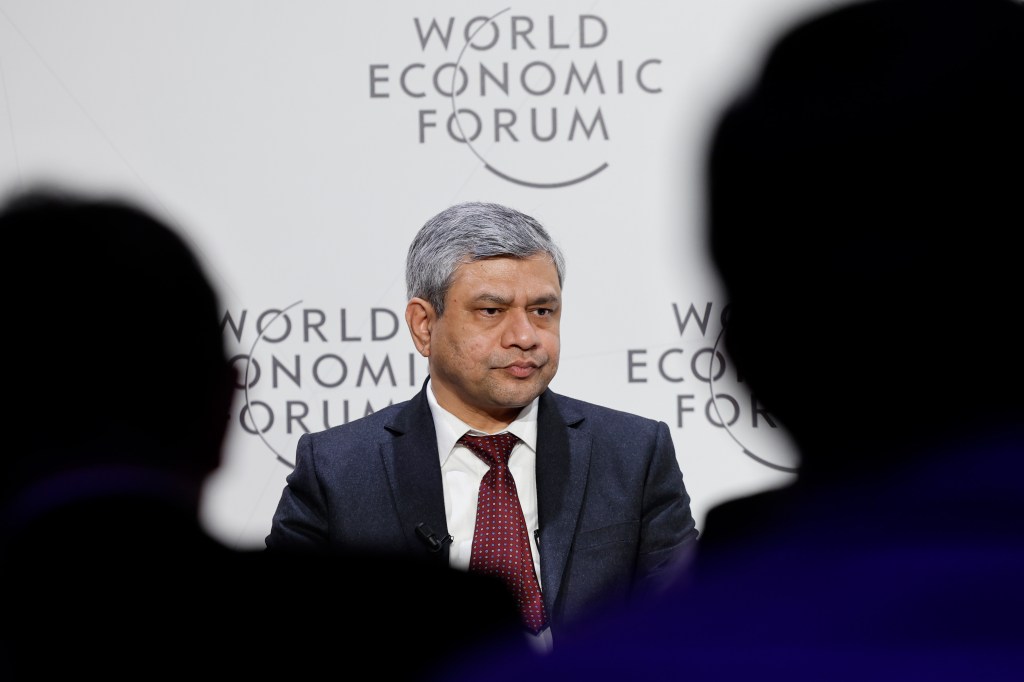
India’s Ambitious Plan to Attract Over $200 Billion in AI Infrastructure Investment by 2028
India is embarking on an ambitious initiative to position itself as a global leader in artificial intelligence (AI) by aiming to attract more than $200 billion in AI infrastructure investments by 2028. This strategic move was unveiled by India’s IT Minister, Ashwini Vaishnaw, during the government-backed AI Impact Summit in New Delhi, which saw participation from top executives of leading technology firms such as OpenAI, Google, and Anthropic.
Strategic Initiatives and Policy Measures
To entice substantial investments, the Indian government is implementing a combination of tax incentives, state-supported venture capital, and favorable policies designed to integrate a larger portion of the global AI value chain into the country. This initiative builds upon existing commitments from U.S. tech giants like Amazon, Google, and Microsoft, which have collectively pledged approximately $70 billion towards expanding AI and cloud infrastructure within India.
The government’s strategy includes offering long-term tax relief for export-oriented cloud services and launching a ₹100 billion (approximately $1.1 billion) venture program targeting high-risk sectors such as AI and advanced manufacturing. Additionally, India has extended the startup qualification period for deep-tech companies to 20 years and increased the revenue threshold for startup-specific benefits to ₹3 billion (about $33.08 million).
Minister Vaishnaw highlighted the growing interest from venture capitalists in funding deep-tech startups, large-scale solutions, and advanced research in cutting-edge AI models. He also announced plans to expand the country’s shared computing capacity under the IndiaAI Mission, adding 20,000 GPUs to the existing 38,000 units in the near future.
Major Investment Commitments
Several significant investment commitments have been announced in alignment with India’s AI ambitions:
– Adani Group’s $100 Billion Investment: The conglomerate plans to invest $100 billion over the next decade to build AI-specialized data centers across India, aiming to create a $250 billion AI infrastructure ecosystem by 2035. ([techcrunch.com](https://techcrunch.com/2026/02/17/adani-pledges-100b-for-ai-data-centers-as-india-seeks-bigger-role-in-global-ai/?utm_source=openai))
– Google’s $15 Billion AI Hub: Google has committed $15 billion to establish a 1-gigawatt data center and AI hub in Visakhapatnam, Andhra Pradesh, marking its largest investment in India to date. ([techcrunch.com](https://techcrunch.com/2025/10/14/google-to-invest-15b-in-indian-ai-infrastructure-hub/?utm_source=openai))
– Amazon’s Additional $35 Billion Investment: Amazon plans to invest an additional $35 billion in India by 2030, bringing its total planned spending to $75 billion, focusing on expanding its retail and cloud operations. ([techcrunch.com](https://techcrunch.com/2025/12/10/amazon-to-invest-additional-35b-in-india-by-2030-taking-total-planned-spending-to-75b/?utm_source=openai))
– Reliance’s World’s Largest AI Data Center: Reliance Industries is planning to build a 3-gigawatt AI data center in Jamnagar, which could become the world’s largest, with an estimated cost between $20 billion and $30 billion. ([techcrunch.com](https://techcrunch.com/2025/01/23/reliance-plans-world-biggest-ai-data-centre-in-india-report-says/?utm_source=openai))
Challenges and Considerations
Despite these ambitious plans, India faces structural challenges, including ensuring reliable power and water supplies for energy-intensive data centers. Minister Vaishnaw acknowledged these issues and emphasized India’s advantage due to its energy mix, with over half of its installed generation capacity coming from clean sources.
The success of India’s AI infrastructure initiative will have global implications, as companies seek new locations for AI computing amid rising costs, capacity constraints, and intensifying international competition.