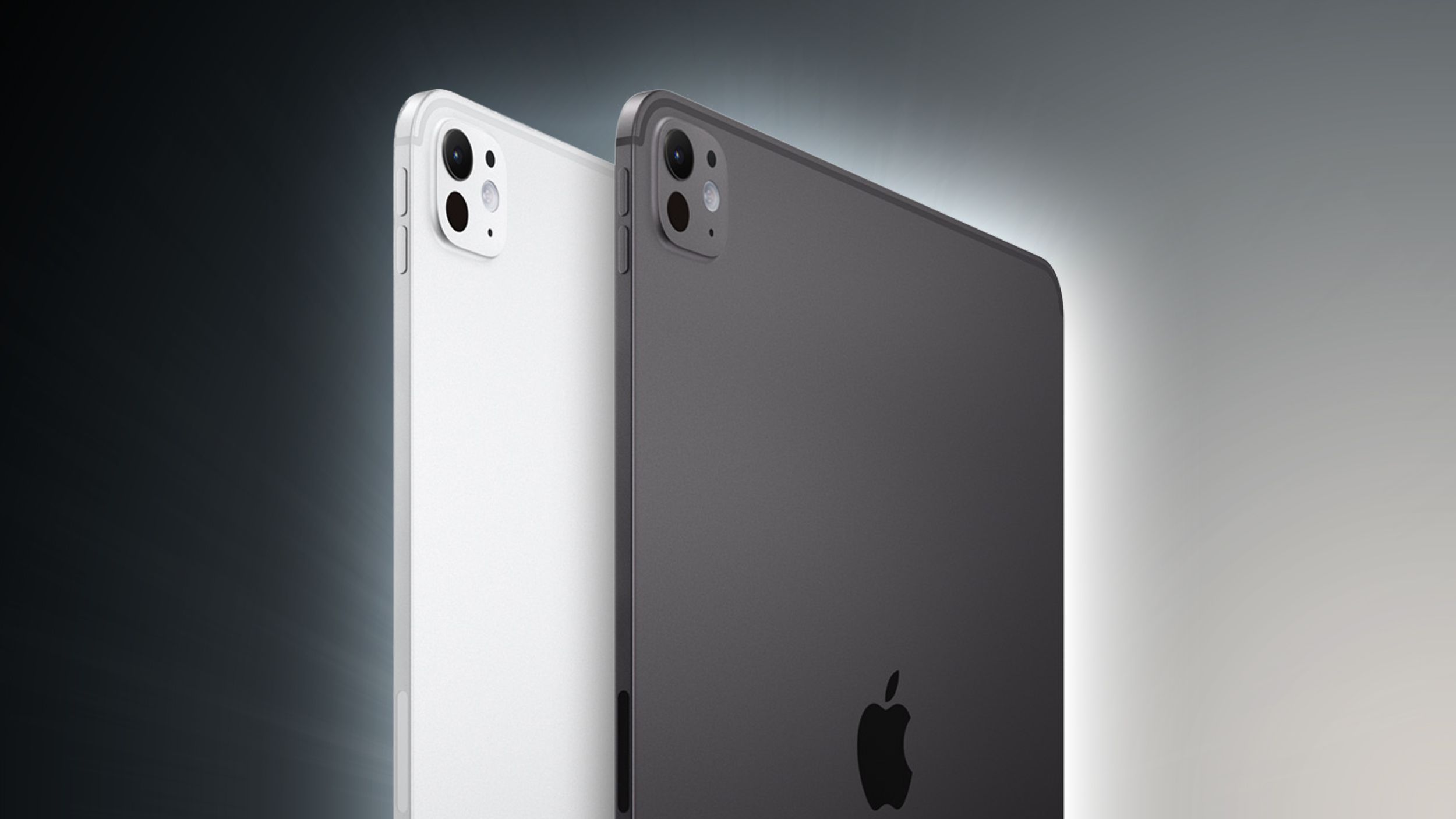
Apple’s iPad Pro: A Future of Incremental Updates?
Apple’s iPad Pro has long been at the forefront of tablet innovation, setting benchmarks in design and performance. However, recent insights suggest that the device may not see significant upgrades in the coming years.
A reputable leaker, known as Instant Digital on Weibo, indicates that the iPad Pro is unlikely to undergo major updates for an extended period. The primary reasons cited include the high cost of the OLED panels currently used in the device and the underwhelming sales response to the last major redesign. This suggests that while Apple may continue with regular iteration cycles, substantial enhancements—such as ultra-slim display borders seen in competing high-end tablets—are not on the immediate horizon.
Recent Developments:
– 2024 Redesign: Apple introduced the first significant redesign of the iPad Pro since 2018, incorporating an OLED display and a thinner profile.
– October 2025 Update: The device received the M5 chip, offering up to 20% faster CPU performance and up to 40% faster GPU performance compared to its predecessor. Additional enhancements included the N1 chip for Wi-Fi 7 and Bluetooth 6 support, the C1X chip for improved cellular performance, and faster SSD read and write speeds.
Future Outlook:
Looking ahead, the iPad Pro is anticipated to receive the M6 chip and vapor chamber cooling—similar to the iPhone 17 Pro—toward the end of 2026 or in 2027. Vapor chamber cooling utilizes liquid to dissipate heat from the processor, reducing throttling and enhancing performance. The M6 chip, built on a new 2-nanometer process, is expected to bring further speed and efficiency improvements.
Beyond these updates, there have been no substantial rumors regarding the future of the iPad Pro lineup. This indicates that Apple may be focusing on incremental improvements rather than groundbreaking changes for the foreseeable future.
Market Implications:
The decision to limit major upgrades could be influenced by several factors:
– Cost Considerations: The expense associated with OLED panels may deter Apple from pursuing further significant hardware changes.
– Sales Performance: The previous redesign did not lead to a significant boost in sales, suggesting that consumers may not be seeking radical changes in the iPad Pro.
– Competitive Landscape: While competitors are introducing features like ultra-slim display borders, Apple appears to be prioritizing performance enhancements over aesthetic changes.
Conclusion:
Apple’s strategy for the iPad Pro seems to be one of measured progression, focusing on performance and efficiency improvements rather than major design overhauls. This approach may cater to professional users who value reliability and incremental enhancements over frequent, radical changes.