Apple Prepares Users for Rosetta 2 Phase-Out with macOS 26.4 Update
In a significant move towards fully embracing Apple Silicon, Apple has announced that macOS 26.4 will begin notifying users about the impending discontinuation of Rosetta 2. This transition layer, introduced to facilitate the shift from Intel-based Macs to Apple Silicon, has been instrumental in allowing users to run applications designed for Intel processors on newer Mac models. However, its role was always intended to be temporary.
The Role of Rosetta 2
Unveiled at the Worldwide Developers Conference (WWDC) in 2020, Rosetta 2 served as a bridge during Apple’s transition to its proprietary Apple Silicon chips. By translating Intel-based applications to run seamlessly on the new architecture, it ensured that users could continue using their existing software without immediate updates from developers. This approach mirrored Apple’s previous transition from PowerPC to Intel processors, where the original Rosetta played a similar role.
Announcement of Discontinuation
At WWDC 2025, Apple outlined its plan to phase out Rosetta 2 support. The company confirmed that full support would continue through macOS 27, but starting with macOS 28, Rosetta 2 would be largely discontinued. Apple stated that after this point, it will keep a subset of Rosetta functionality aimed at supporting older unmaintained gaming titles that rely on Intel-based frameworks. This decision underscores Apple’s commitment to optimizing its ecosystem for Apple Silicon and encouraging developers to update their applications accordingly.
User Notifications in macOS 26.4
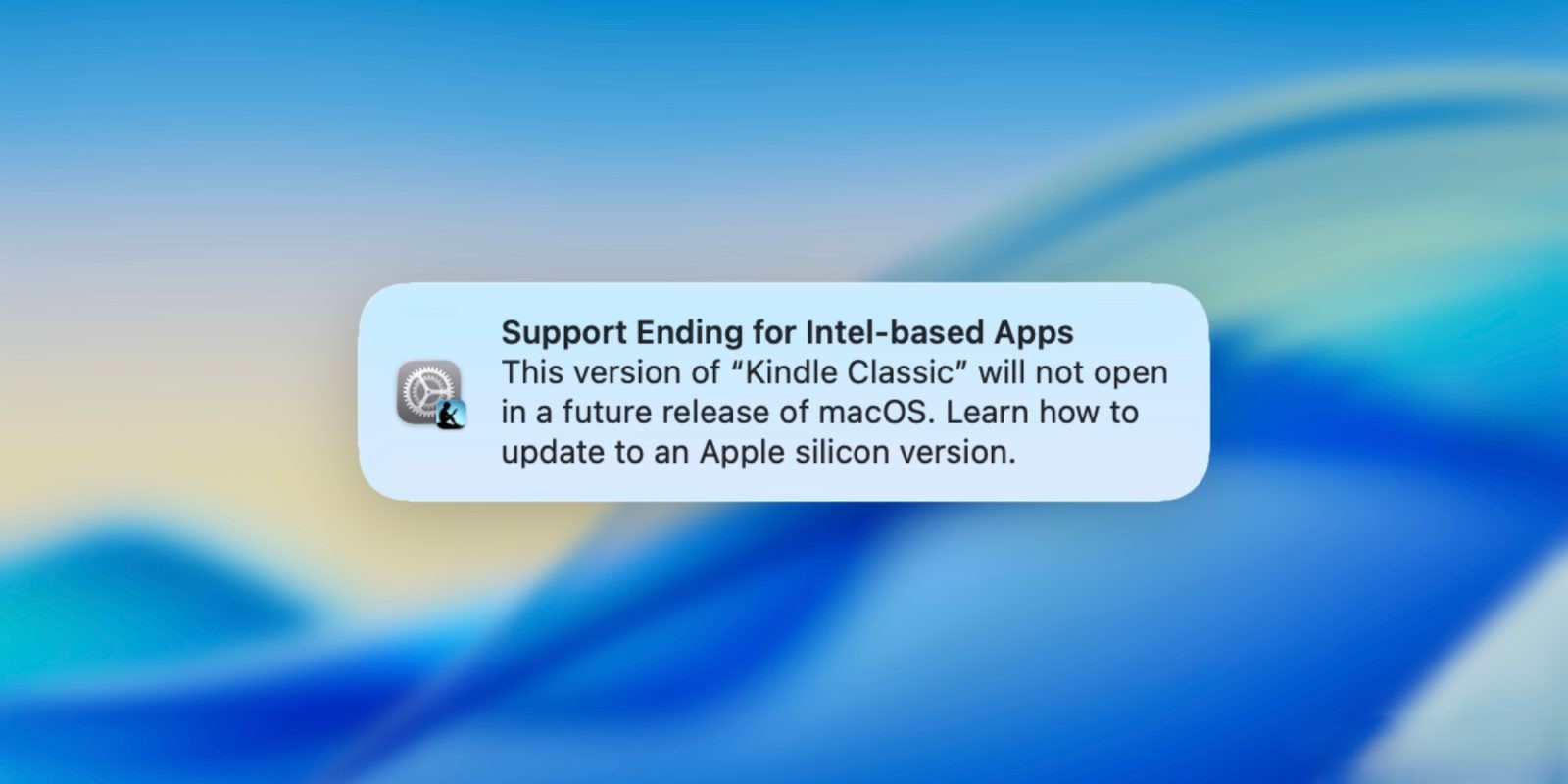
With the release of macOS 26.4 beta 1, Apple has introduced a proactive measure to inform users about the upcoming changes. When launching an application that relies on Rosetta 2, users will receive a notification alerting them to the future incompatibility. This early warning system is designed to give users ample time to seek out updated versions of their essential applications and to encourage developers to expedite the transition to native Apple Silicon support.
Implications for Users and Developers
The discontinuation of Rosetta 2 marks a pivotal moment in Apple’s transition to Apple Silicon. For users, this means that applications not updated to support the new architecture will eventually become unusable. Therefore, it’s crucial for users to monitor their software and ensure that they are using versions compatible with Apple Silicon.
Developers, on the other hand, are urged to prioritize updating their applications. The notification system in macOS 26.4 serves as a reminder of the impending changes and the importance of ensuring that software remains functional on future macOS versions. By transitioning to native Apple Silicon support, developers can provide users with optimized performance and maintain compatibility with upcoming macOS releases.
Timeline and Support for Intel-Based Macs
macOS 28, which is expected to be released in the fall of 2027, will mark the official end of Rosetta 2 support. This timeline provides users and developers with a clear schedule to complete the transition. Additionally, it’s important to note that macOS 26 will be the final release supporting Intel-based Mac models. After this release, Apple has committed to providing security updates for Intel Macs for an additional three years, ensuring that users have a secure environment while they plan their upgrade paths.
Conclusion
Apple’s phased approach to discontinuing Rosetta 2 reflects its strategic commitment to fully transition to Apple Silicon. By providing advance notifications and a clear timeline, Apple aims to facilitate a smooth transition for both users and developers. Staying informed and proactive during this period is essential to ensure continued access to applications and to take full advantage of the performance benefits offered by Apple Silicon.