Tesla Delays CarPlay Integration Pending Wider iOS 26 Adoption
Tesla’s plan to integrate Apple CarPlay into its vehicles has encountered a delay, primarily due to software compatibility issues between Tesla’s native systems and Apple’s iOS 26. The company aims to ensure a seamless user experience by waiting until a majority of Tesla drivers have updated their devices to the latest iOS version.
Background on the Integration Delay
The primary challenge arises from discrepancies in navigation behavior during assisted driving. Tesla’s onboard mapping system is integral to its self-driving features, while CarPlay relies on Apple Maps. When both systems operate simultaneously, they can provide conflicting directions, leading to potential confusion for drivers.
According to Bloomberg’s Power On newsletter by Mark Gurman, Tesla has requested Apple to modify its Maps behavior to synchronize with Tesla’s navigation during autonomous driving. This synchronization is crucial to prevent conflicting instructions from appearing on the vehicle’s display.
Impact of iOS 26 Adoption Rates
Apple has released fixes in subsequent versions of iOS 26 and the latest CarPlay update to address these synchronization issues. However, Tesla has postponed the CarPlay rollout because a significant portion of its user base has not yet installed these updates. The company is committed to delivering a consistent experience and prefers to wait until most drivers have the corrected software version.
Apple reports that 74% of iPhones from the past four years are running iOS 26. However, this statistic includes earlier builds that lack the necessary compatibility patches. Since Apple does not disclose the number of users who have installed the latest revisions, Tesla cannot confidently enable CarPlay across its fleet without risking inconsistent user experiences.
Tesla’s Approach to CarPlay Integration
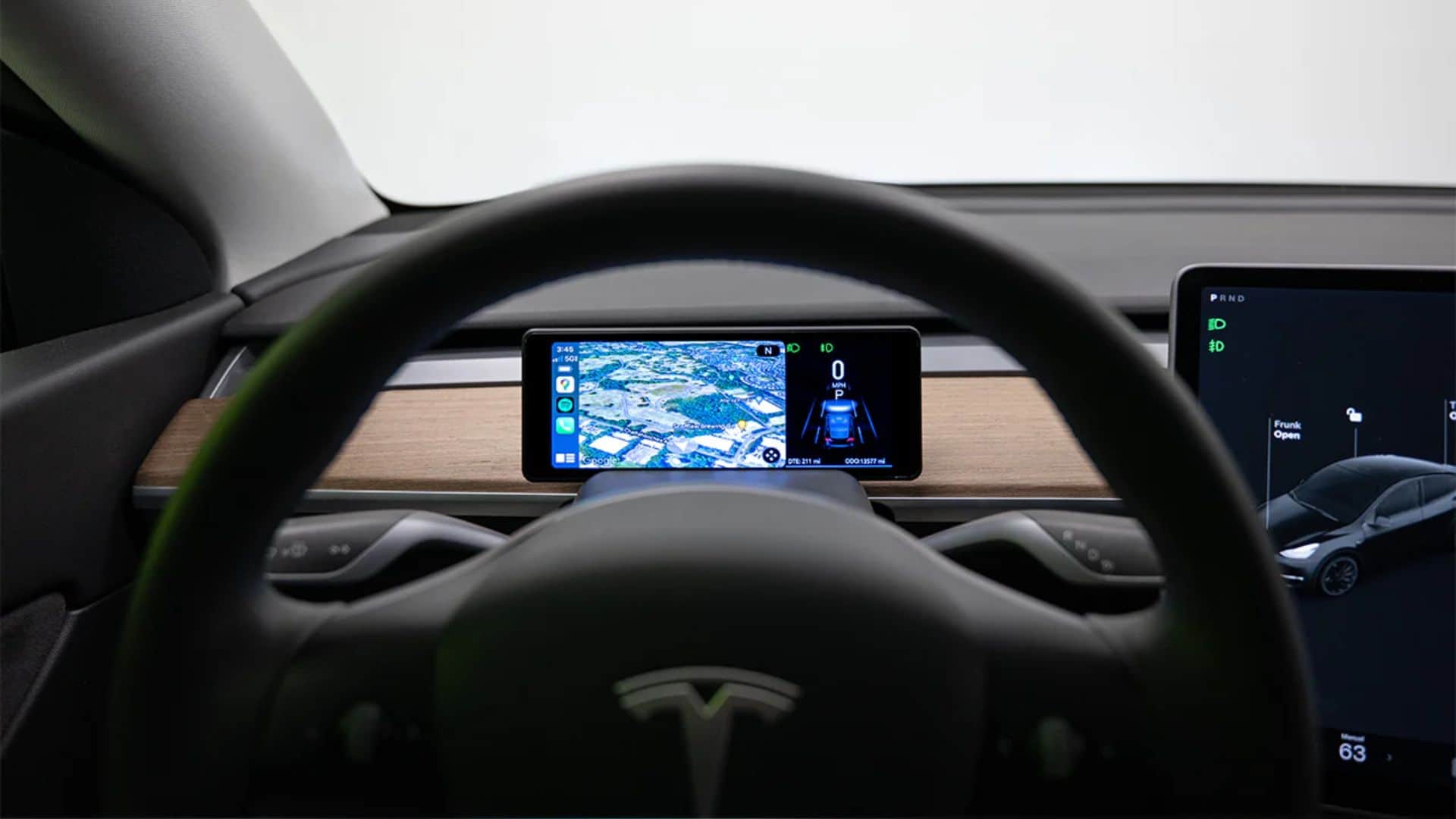
Tesla plans to implement CarPlay as a dedicated window within its existing interface, rather than replacing it entirely. This hybrid approach allows Tesla to maintain control over critical vehicle functions while offering users access to CarPlay’s features.
Under this structure:
– Tesla’s native software will manage:
– Autonomy features and route awareness
– Vehicle controls such as seat adjustments and climate settings
– Native maps linked to driving assistance systems
– CarPlay will handle:
– Messaging and phone calls
– Music and media applications
– Apple ecosystem services
This design underscores the importance of synchronized navigation. Tesla’s safety features depend on its proprietary navigation logic, making it essential for both systems to display identical directions to avoid driver confusion.
Current Status and Future Outlook
As of now, there is no official launch date for CarPlay integration in Tesla vehicles. The project remains active, with Tesla monitoring iOS 26 adoption rates among its user base. The company is committed to ensuring that the majority of drivers have updated to the corrected Apple Maps behavior before rolling out the feature to customers.