AI Boom Drives Hard Drive Prices Up 46% Since September
The rapid expansion of artificial intelligence (AI) technologies has led to an unprecedented surge in hard disk drive (HDD) prices, with average costs escalating by 46% since September 2025. This significant increase is primarily driven by the escalating demand for data storage solutions required to support AI infrastructure and the massive data processing needs of cloud service providers and hyperscale data centers.
The AI Effect on Storage
The insatiable appetite for data storage fueled by artificial intelligence development is the primary driver behind the sharp increase in HDD prices. Training large language models and processing massive datasets require enormous and affordable storage. Hard drives remain the most cost-effective storage option today, outperforming SSDs in price despite being much slower. ([thinkcomputers.org](https://thinkcomputers.org/ai-boom-drives-hdd-prices-up-by-46-in-four-months/?utm_source=openai))
Specific Examples of Price Increases
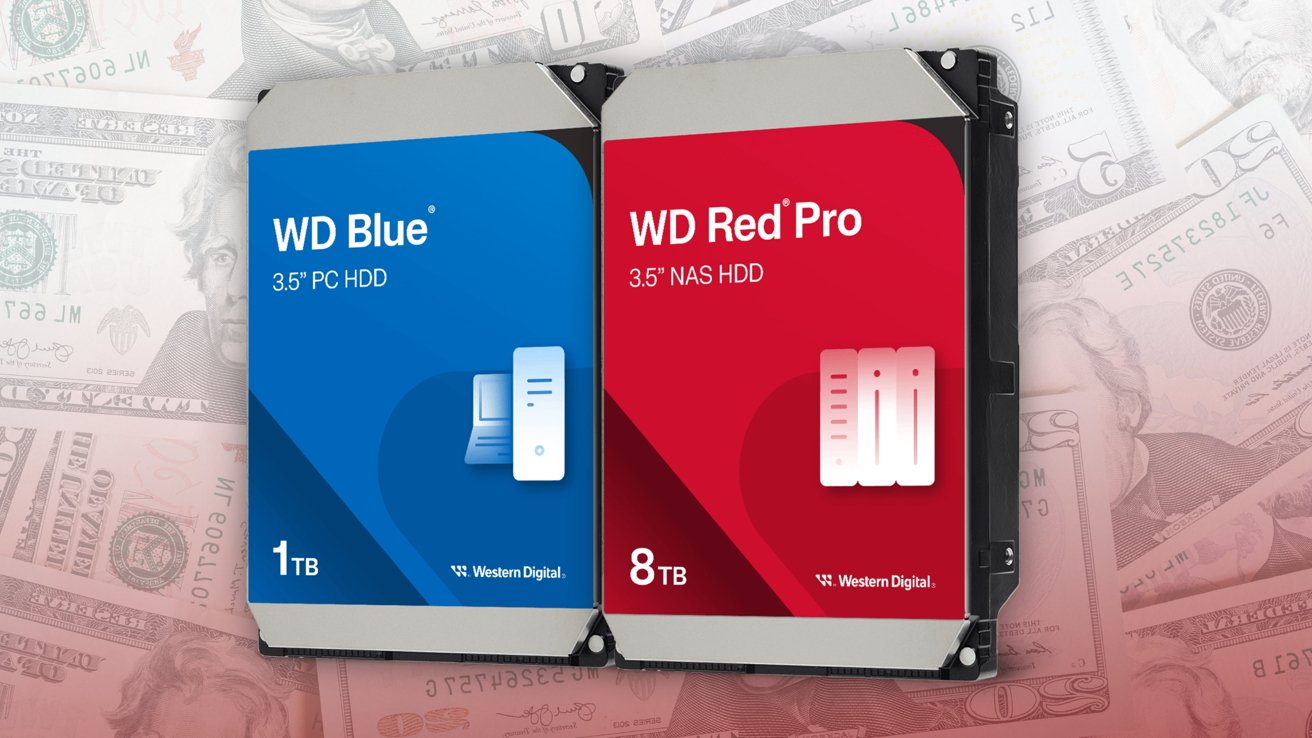
The study covered 12 popular models from key manufacturers, including the Seagate IronWolf NAS, Toshiba Cloud Scale Capacity, WD Red, and Seagate BarraCuda lines. The most striking example is the Seagate BarraCuda 24TB, which previously sold for around $239 and now costs nearly $500 on platforms like Amazon. Other popular models, such as Seagate’s IronWolf series and Western Digital’s WD Red line, have seen price increases ranging from 23% to 66% in just four months. ([tomshardware.com](https://www.tomshardware.com/pc-components/hdds/hard-drive-prices-have-surged-by-an-average-of-46-percent-since-september-iconic-24tb-seagate-barracuda-now-usd500-as-ai-claims-another-victim?utm_source=openai))
Why Are Hard Drive Prices Rising?
Although hard drives do not rely directly on HBM or DRAM memory chips, the AI infrastructure boom has triggered a domino effect. Due to the insatiable demand from data centers, manufacturers have shifted their focus toward high-capacity enterprise drives, reducing supply for the general consumer market. Additionally, the pressure on other components, such as SSDs and RAM, has pushed the entire industry’s prices higher. ([eteknix.com](https://www.eteknix.com/ai-boom-pushes-hard-drive-prices-up-by-46-since-september/?utm_source=openai))
Impact on Consumers and Businesses
The surge in HDD prices has significant implications for both consumers and businesses. For individual consumers, building or upgrading a PC today is more expensive than it was a year ago across nearly all key components. As long as the AI boom continues to absorb production capacity, “cheap” storage may soon become a thing of the past. ([eteknix.com](https://www.eteknix.com/ai-boom-pushes-hard-drive-prices-up-by-46-since-september/?utm_source=openai))
Broader Implications for the Tech Industry
The current spike is not a gentle market wave; it is a supercycle driven by a structural reshuffle of the memory industry. Instead of flooding the world with cheap commodity DRAM and NAND, the big players are deliberately funneling their best production lines into high‑bandwidth memory for AI accelerators and fat server DIMMs for cloud data centers. ([forbes.com](https://www.forbes.com/sites/timbajarin/2026/01/16/as-ai-eats-up-the-worlds-chips-memory-prices-take-the-hit/?utm_source=openai))
Future Outlook
The ongoing shortage, expected to persist until at least 2027, highlights the importance for datacenters to adopt flexible, cost-efficient storage strategies. While HDDs remain cheaper, they too are affected by AI-driven demand, with availability falling and prices rising—up by 46% since September. ([tomshardware.com](https://www.tomshardware.com/pc-components/storage/ssds-now-cost-16x-more-than-hdds-hybrid-ssd-hdd-datacenter-deployments-are-now-significantly-cheaper-to-deploy-than-ssd-only-equivalents?utm_source=openai))