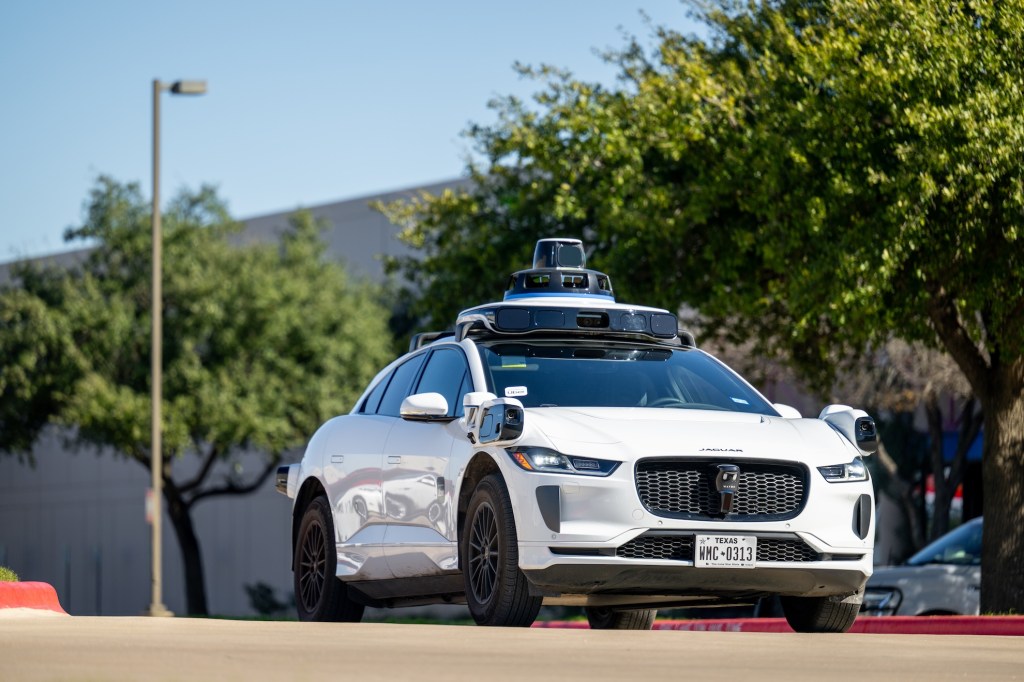
Waymo Enlists DoorDash Drivers to Address Open Door Dilemma in Autonomous Fleet
In the rapidly evolving landscape of autonomous transportation, unexpected challenges continue to emerge. One such issue has surfaced with Waymo’s self-driving vehicles: the occasional occurrence of passengers leaving car doors ajar, rendering the vehicles inoperative. To tackle this problem efficiently, Waymo has initiated a collaboration with DoorDash drivers in Atlanta, enlisting their assistance to close these unattended doors and restore the vehicles to operational status.
The Challenge of Open Doors in Autonomous Vehicles
Waymo’s autonomous cars, now operational across six cities, represent a significant technological advancement. However, the absence of human drivers introduces unique challenges. A notable issue arises when passengers inadvertently leave doors open upon exiting. Unlike traditional vehicles, where a driver would promptly address such situations, autonomous cars lack this immediate human intervention. An open door not only immobilizes the vehicle but also poses potential hazards by obstructing traffic flow and creating safety concerns for other road users.
Innovative Solution: Partnering with DoorDash Drivers
To address this operational hiccup, Waymo has launched a pilot program in Atlanta, leveraging the gig economy’s flexibility and responsiveness. In this initiative, DoorDash drivers, commonly referred to as Dashers, receive notifications when a nearby Waymo vehicle is incapacitated due to an open door. These drivers are then offered compensation to travel to the vehicle’s location and close the door, thereby enabling the car to resume its autonomous operations.
How the Program Works
When a Waymo vehicle detects that a door has been left open, it sends an alert to the DoorDash network. Nearby Dashers receive a task request detailing the vehicle’s location and the nature of the assistance required. Upon accepting the task, the Dasher proceeds to the specified location, closes the vehicle’s door, and confirms the completion of the task through the DoorDash app. Compensation for this service includes a base payment for the trip, with additional incentives for verified completion, making it a financially appealing opportunity for drivers.
Real-World Implementation and Driver Experiences
The practicality of this program was highlighted in a recent Reddit post by a DoorDash driver who encountered such a request. The driver was offered $6.25 to travel less than a mile to a Waymo vehicle and close its door, with an additional $5 bonus upon verified completion. This anecdote underscores the program’s real-world application and the seamless integration of gig economy workers into the maintenance of autonomous vehicle operations.
Official Confirmation and Broader Collaboration
Both Waymo and DoorDash have confirmed the legitimacy of this initiative. In a joint statement, they explained that the pilot program aims to enhance the efficiency of Waymo’s autonomous vehicle fleet. By engaging nearby Dashers to address the rare instances of doors being left ajar, Waymo can swiftly return its vehicles to service, minimizing downtime and maintaining operational continuity.
This door-closing partnership is part of a broader collaboration between Waymo and DoorDash. In October, the companies launched an autonomous delivery service in Phoenix, where Waymo vehicles deliver food and groceries to DoorDash customers. This multifaceted partnership reflects a shared commitment to integrating autonomous technology into various aspects of urban logistics and transportation.
Comparative Initiatives in Other Cities
Waymo’s approach to addressing the open door issue varies by location. In Los Angeles, the company collaborates with Honk, an app that connects users with towing and roadside assistance services. Honk users have reported receiving offers of up to $24 to close a Waymo vehicle’s door, a compensation rate significantly higher than that offered to DoorDash drivers in Atlanta. This discrepancy may reflect regional differences in labor costs, demand for gig work, or the urgency associated with resolving such incidents in different urban environments.
Future Prospects: Automated Door Closures
Looking ahead, Waymo plans to equip its future vehicle models with automated door-closing mechanisms. This technological advancement aims to eliminate the need for human intervention in such scenarios, further enhancing the autonomy and reliability of the fleet. However, until these features are implemented, partnerships with gig economy workers remain a practical and effective solution to address this operational challenge.
Implications for the Autonomous Vehicle Industry
Waymo’s collaboration with DoorDash drivers to manage open door incidents highlights the complexities inherent in deploying autonomous vehicles in real-world settings. It underscores the necessity of adaptive strategies and the value of human support systems in maintaining the efficiency and safety of autonomous operations. This initiative also exemplifies the potential for synergy between emerging technologies and existing gig economy platforms, paving the way for innovative solutions to unforeseen challenges in the autonomous transportation sector.
Conclusion
As autonomous vehicle technology continues to advance, addressing operational challenges like unattended open doors is crucial for ensuring seamless service delivery. Waymo’s proactive partnership with DoorDash drivers in Atlanta serves as a testament to the company’s commitment to operational excellence and its willingness to integrate human assistance into its technological ecosystem. This collaborative approach not only resolves immediate issues but also provides valuable insights into the interplay between human workers and autonomous systems, informing future developments in the field.