Apple’s Full Acquisition of ‘Severance’ Sparks Potential for Spin-Offs and Prequels
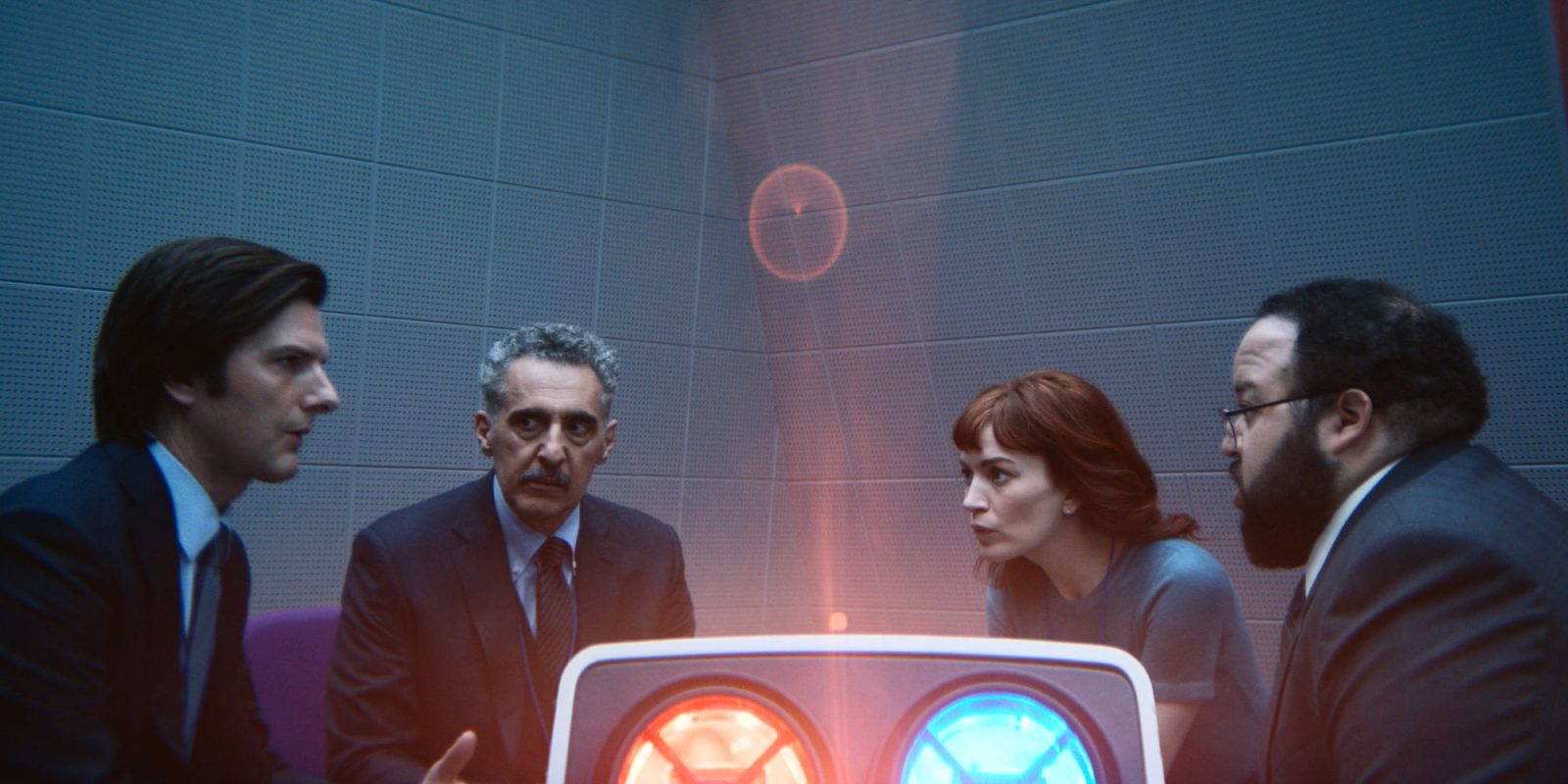
Apple Inc. has recently secured complete ownership of the acclaimed series Severance, marking a significant shift in the show’s production dynamics and opening avenues for potential expansions within its universe.
Apple’s Strategic Acquisition
In a decisive move, Apple has acquired all intellectual property rights to Severance for nearly $70 million. This acquisition transitions the series from its previous production under Fifth Season, where Apple served as the distributor, to being fully produced in-house by Apple Studios. Despite this change, Fifth Season will continue its involvement as an executive producer alongside the show’s creator, Dan Erickson.
The decision to bring Severance under Apple’s direct control was influenced by financial challenges faced by Fifth Season. The production of Season 2 experienced escalating costs and delays in receiving tax credit payments. Filming in New York, the series benefited from tax credits; however, payment delays and increased borrowing costs, which rose from 1% to approximately 5.5%-6%, strained Fifth Season’s financial resources. These factors made it challenging for the studio to manage expenses over the extended period between Seasons 1 and 2.
In response to these financial pressures, Fifth Season sought advances and assistance from Apple TV and even considered relocating production to Canada for more favorable tax rebates. Apple’s leadership recognized that owning the series outright would allow them to better manage these financial burdens and streamline production processes.
Exploring the ‘Severance’ Universe
Originally envisioned as a four-season narrative, the creative minds behind Severance, including Ben Stiller and Dan Erickson, are now contemplating expanding the series’ universe. Potential developments include prequels, spin-offs, and international adaptations. Such expansions aim to maintain audience engagement during intervals between main seasons and enhance the show’s overall profitability.
Season 2 of Severance witnessed a significant increase in viewership, approximately doubling that of Season 1. However, this success came with substantial production costs, reaching up to $20 million per episode. With full ownership, Apple is positioned to balance the show’s growth with cost management effectively. This includes revisiting talent compensation structures and backend deals to ensure sustainable production.
In 2024, Apple TV introduced a performance-based compensation model for talent involved in Apple Studios productions. This model offers bonuses based on a points system, considering factors such as new subscriber sign-ups attributed to the show and viewership relative to production costs. This more risk, more reward approach mirrors traditional broadcast syndication models and has since been adopted by other major streaming platforms.
Production Timeline and Future Prospects
While most scripts for Season 3 are finalized, the development process has extended beyond initial projections. Consequently, the planned start of filming in the summer may experience slight delays. Apple remains committed to commencing production as soon as possible to deliver the next installment to eager fans.
The acquisition of Severance underscores Apple’s dedication to enhancing its original content portfolio and its willingness to invest significantly in successful properties. By bringing production in-house, Apple aims to exercise greater creative control, manage costs more effectively, and explore new storytelling avenues within the Severance universe.
As the series continues to captivate audiences with its unique narrative and thought-provoking themes, the prospect of spin-offs, prequels, and international versions offers exciting possibilities for both the creators and the viewers. Apple’s strategic move not only secures the future of Severance but also sets a precedent for how streaming platforms might approach content ownership and expansion in the evolving entertainment landscape.