Apple’s iPhone Commands a Quarter of Global Smartphone Market
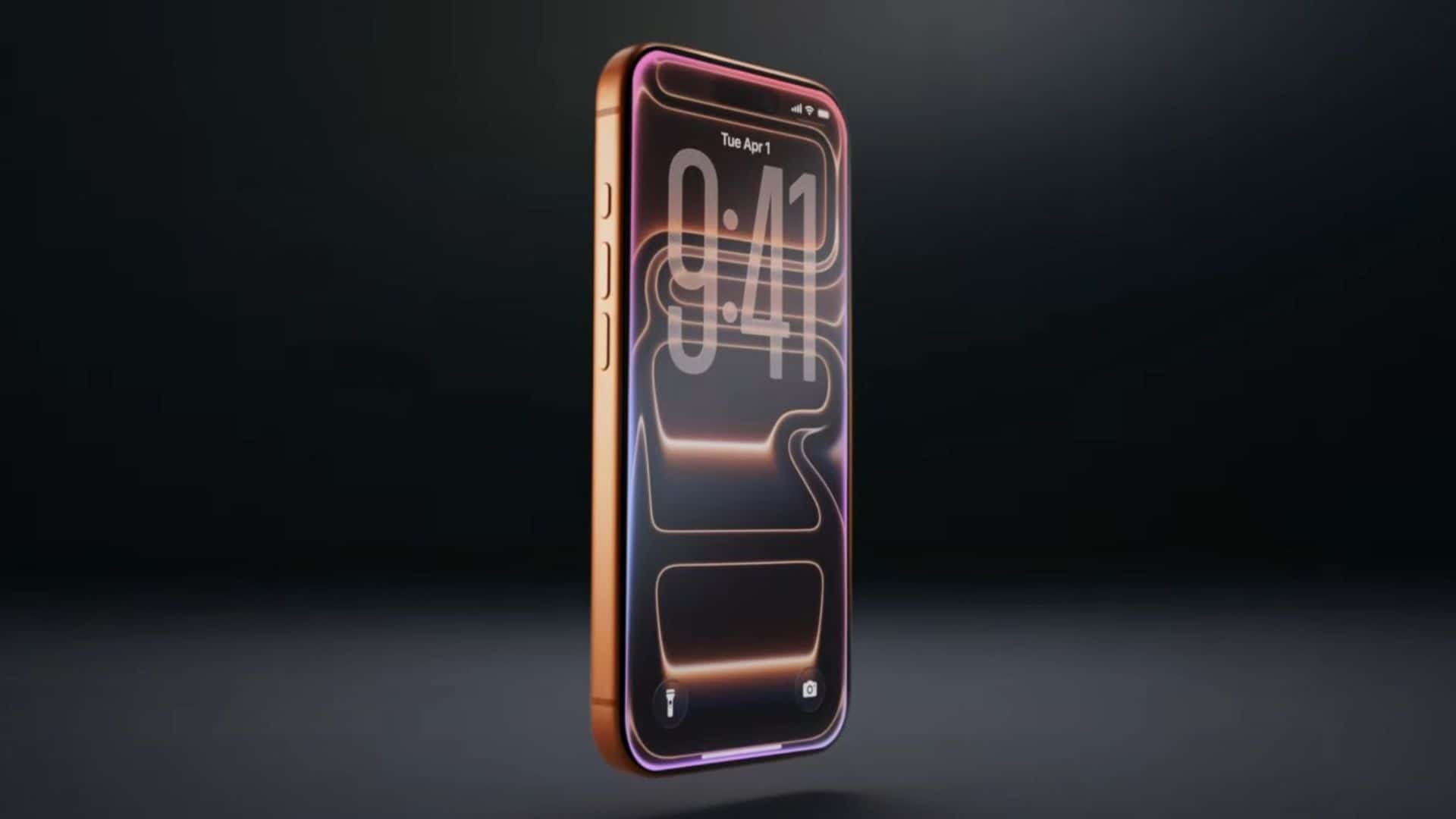
In 2025, Apple solidified its dominance in the global smartphone arena, with iPhones constituting nearly 25% of all active smartphones worldwide. This achievement underscores the company’s unparalleled user loyalty, extensive software support, and a deeply integrated ecosystem.
Market Dynamics and Growth Trends
The global active smartphone base experienced a modest growth of just 2% in 2025. Consumers are retaining their devices longer, with replacement cycles now approaching four years. This trend emphasizes the importance of customer retention over sheer sales volume. In this context, Apple and Samsung have emerged as industry leaders, collectively accounting for 44% of all active smartphones globally. Notably, both companies have surpassed the one-billion active devices milestone, a feat unmatched by other brands.
Apple’s Unmatched User Loyalty
Apple’s dominance is further highlighted by its addition of more net new devices than the combined total of the next seven smartphone brands. Senior Analyst Karn Chauhan remarked, Apple leads the global active installed base, with about one in four active smartphones being an iPhone. This is driven by strong user loyalty, a deep iOS ecosystem, and tightly integrated services.
Other Key Players in the Market
Beyond Apple and Samsung, six other smartphone brands have surpassed the 200 million active devices mark in 2025. These include Xiaomi, OPPO, vivo, Transsion, Huawei, and the newly inducted Honor. Research Director Tarun Pathak noted, Only Apple and Samsung have surpassed the one-billion active devices milestone, showing their ability to keep users engaged over time. He further emphasized that while Apple and Samsung benefit from premium positioning and robust ecosystems, other brands have expanded through a focus on mid-range offerings and price-sensitive markets.
Challenges in the Premium Segment
The premium smartphone segment remains a challenging arena for most brands. In 2025, six manufacturers outside of Apple and Samsung held only single-digit sales shares for devices priced above $600 wholesale. However, premium devices are enjoying longer lifespans due to durable hardware, extended software support, and higher resale values.
The Shift Towards Software and Services
As hardware sales plateau, the emphasis is shifting towards software and services as key drivers of long-term success. Brands that can extend device lifespans and cultivate strong ecosystems are poised to generate recurring revenue well beyond the initial sale. Apple continues to lead in this domain, transforming its extensive installed base into a sustainable platform rather than a one-time purchase.
Apple’s Milestones and Market Performance
In addition to its impressive market share, Apple has achieved significant milestones. The company now boasts over 2.5 billion active devices worldwide, encompassing iPhones, Macs, iPads, Apple Watches, and other products. This milestone reflects the deep integration of Apple’s products into daily life and underscores the company’s expansive ecosystem.
iPhone 16: A Testament to Apple’s Market Leadership
The iPhone 16 emerged as the best-selling smartphone of 2025, with Apple placing seven iPhones in the top ten best-selling devices. The base iPhone 17 notably climbed to seventh place, indicating a growing preference for Apple’s standard models. This trend suggests that consumers are finding the non-Pro models to offer the best balance of features and value.
Apple’s Performance in the Chinese Market
Apple’s success extends to the Chinese market, where the iPhone 17 series outsold every major Chinese flagship model. By December 31, 2025, Apple had sold 15.57 million iPhone 17 units in China, surpassing the combined sales of all other Chinese flagship smartphones. This achievement highlights Apple’s growing dominance in the premium segment within China.
Conclusion
Apple’s commanding presence in the global smartphone market is a testament to its strategic focus on user loyalty, ecosystem integration, and premium product offerings. As the industry evolves, Apple’s ability to adapt to changing consumer behaviors and market dynamics positions it as a continued leader in the smartphone landscape.