Netflix’s Monumental Acquisition of Warner Bros.: A New Era in Entertainment
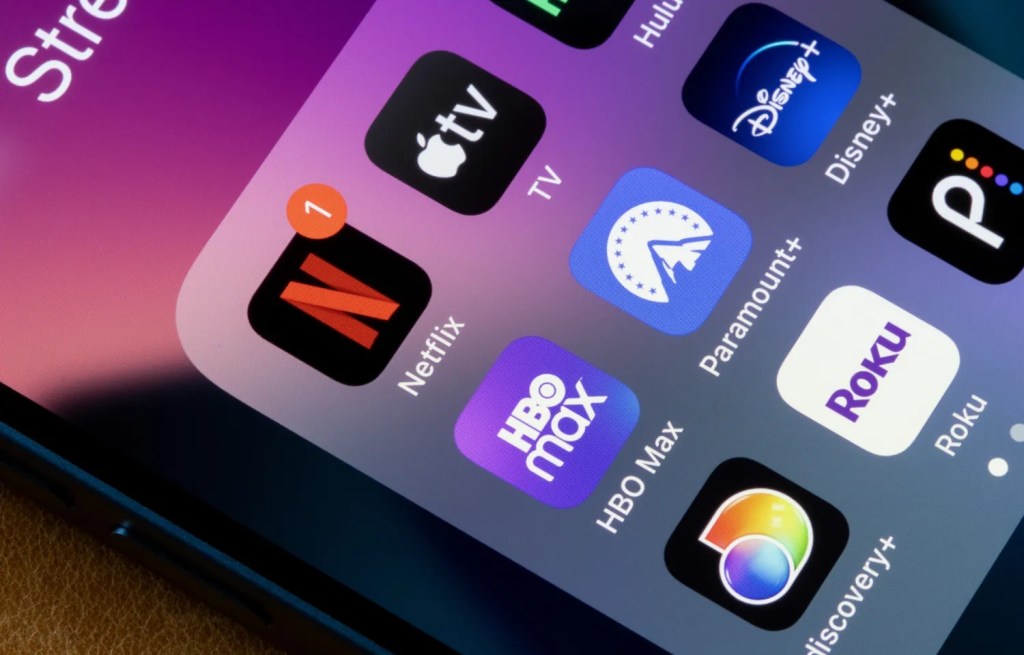
In a groundbreaking move that has sent shockwaves through the entertainment industry, Netflix has announced its acquisition of Warner Bros., including its esteemed film and television studios, as well as the HBO and HBO Max streaming services. This monumental deal, valued at approximately $82.7 billion, marks one of the largest mergers in Hollywood history and signifies a transformative shift in the media landscape.
The Genesis of the Acquisition
The journey toward this historic merger began in October 2025 when Warner Bros. Discovery (WBD) disclosed its intention to explore potential sale options. Facing mounting debt and intensifying competition in the streaming sector, WBD attracted interest from several major players, including Paramount and Comcast. After a competitive bidding process, Netflix emerged as the preferred buyer, offering a compelling all-cash deal that focused specifically on WBD’s film, television, and streaming assets. This strategic focus allowed Netflix to sidestep the complexities associated with WBD’s cable networks, such as CNN and Discovery Channel, which were slated to be spun off into a separate entity named Discovery Global.
Strategic Implications for Netflix
By integrating Warner Bros.’ vast content library, Netflix significantly enhances its already extensive portfolio. This acquisition brings globally recognized franchises like DC Comics, Harry Potter, and Game of Thrones under Netflix’s umbrella, offering subscribers an unparalleled array of content. The inclusion of HBO’s acclaimed original programming further solidifies Netflix’s position as a premier destination for high-quality entertainment.
Moreover, this merger is poised to bolster Netflix’s subscriber base. Prior to the acquisition, Netflix boasted over 300 million paying subscribers, while HBO Max and Discovery+ combined had approximately 128 million subscribers. The consolidation of these platforms is expected to create a streaming powerhouse with a subscriber count that dwarfs its competitors, thereby reshaping the competitive dynamics of the industry.
Industry Repercussions and Regulatory Scrutiny
The magnitude of this deal has prompted significant attention from industry stakeholders and regulatory bodies. Concerns have been raised about the potential for reduced competition and the impact on content diversity. The U.S. Department of Justice, along with international regulators, has initiated reviews to assess the antitrust implications of the merger. These evaluations aim to ensure that the consolidation does not stifle competition or harm consumer interests.
In response to these concerns, Netflix has emphasized its commitment to maintaining Warner Bros.’ current operations, including theatrical releases for films. This assurance seeks to alleviate fears that the merger could lead to a decline in theatrical distribution or negatively affect the broader entertainment ecosystem.
Paramount’s Counteroffer and the Ongoing Bidding War
Despite Netflix’s position as the preferred buyer, the acquisition process has been marked by a fierce bidding war. Paramount Skydance, in particular, has made aggressive moves to challenge Netflix’s bid. In a recent development, Paramount enhanced its offer by committing to cover the $2.8 billion breakup fee that WBD would owe Netflix if the existing agreement were terminated. Additionally, Paramount proposed a ticking fee of $0.25 per share for each quarter the deal is delayed beyond December 31, underscoring its confidence in securing regulatory approval.
This intensified competition highlights the high stakes involved and the strategic importance of WBD’s assets in the evolving media landscape. The outcome of this bidding war will have far-reaching implications for the industry’s future trajectory.
Looking Ahead: The Future of Streaming and Content Creation
As the acquisition process unfolds, the entertainment industry is poised for a period of significant transformation. The consolidation of Netflix and Warner Bros. is expected to set new benchmarks for content creation, distribution, and consumption. Subscribers can anticipate a more diverse and expansive content library, while competitors may need to reevaluate their strategies to remain viable in this new landscape.
Furthermore, this merger underscores the growing trend of consolidation within the media industry, as companies seek to bolster their content offerings and subscriber bases in an increasingly competitive market. The success of this acquisition could potentially pave the way for similar deals in the future, further reshaping the entertainment ecosystem.
Conclusion
Netflix’s acquisition of Warner Bros. represents a watershed moment in the entertainment industry, signaling a new era of consolidation and competition. As this deal progresses through regulatory scrutiny and potential counteroffers, its finalization will undoubtedly have profound implications for content creators, distributors, and consumers alike. The coming months will be critical in determining how this merger will redefine the landscape of global entertainment.