Trump Administration Moves to Repeal Landmark Air Pollution Regulation
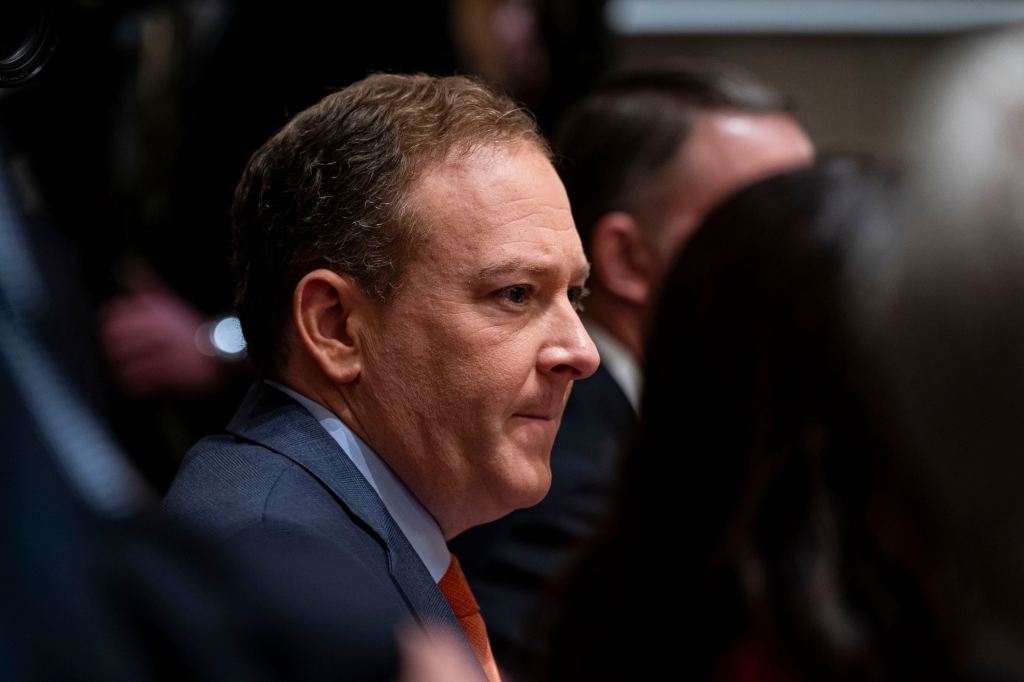
In a significant policy shift, the Trump administration, under the direction of Environmental Protection Agency (EPA) Administrator Lee Zeldin, is reportedly planning to revoke the 2009 endangerment finding. This pivotal determination had established that greenhouse gases, including carbon dioxide and methane, pose a threat to public health and welfare, thereby forming the legal foundation for federal regulation of these emissions. The Wall Street Journal indicates that this repeal could be initiated as early as this week.
Background on the Endangerment Finding
The endangerment finding, instituted in 2009, was a cornerstone in the EPA’s efforts to regulate greenhouse gas emissions. It identified six greenhouse gases as harmful to human health and the environment, providing the legal basis for subsequent regulations targeting emissions from various sectors, including transportation and industrial facilities. Since its inception, the finding has withstood multiple legal challenges, underscoring its robustness and significance in environmental policy.
Implications of the Proposed Repeal
The proposed revocation is anticipated to trigger a series of legal battles, potentially prolonging the resolution of this matter for years. Initially, the EPA’s action would impact tailpipe emissions standards for cars and trucks. However, it is widely expected that the administration will leverage this repeal to dismantle regulations across other sectors, such as power plants and industrial operations.
Automakers’ Stance and Industry Impact
Notably, traditional automakers, who had previously lobbied for the relaxation of fuel efficiency standards, have not advocated for the repeal of the endangerment finding. In contrast, Tesla has actively urged the EPA to uphold the finding, emphasizing that it is based on a robust factual and scientific record. This divergence highlights a growing rift within the automotive industry regarding environmental regulations.
Should the administration succeed in revoking the endangerment finding, the United States risks falling out of alignment with environmental regulations in other developed economies. This misalignment could compel multinational companies to adopt disparate strategies for different markets, potentially escalating operational costs.
Automakers, in particular, may face the challenge of catering to bifurcated markets in the short term. The regulatory uncertainty in the U.S., coupled with intensifying competition from Chinese manufacturers, has already resulted in substantial financial losses for the industry. American automakers’ heavy reliance on fossil fuel-powered trucks has yielded significant profits but may hinder their ability to adapt to the evolving global market, especially in light of the anticipated competition from Chinese brands.
Economic Considerations and Environmental Costs
The Trump administration asserts that the policy change could result in savings exceeding $1 trillion, though specific evidence supporting this claim has not been provided. Conversely, the projected costs of climate change are substantial. The Congressional Budget Office has estimated that nearly $1 trillion worth of real estate is at risk due to rising sea levels. Additionally, mortality rates in the U.S. could increase by 2% if global warming remains unmitigated. A 2024 study further projected that climate change could reduce global GDP by 17% by 2050, equating to a loss of $38 trillion annually.
Broader Context of Environmental Policy Shifts
This move aligns with a series of actions by the Trump administration aimed at rolling back environmental regulations. In December 2025, the administration announced plans to lower fuel economy standards for cars and light trucks, reducing the fleet-wide fuel economy target to 34.5 miles per gallon for 2031 model-year vehicles, down from the previous goal of 50.4 mpg. This adjustment also reclassified crossovers as cars instead of light trucks and eliminated automakers’ ability to trade electric vehicle credits.
Furthermore, in September 2025, the Department of Energy, under the Trump administration, issued a directive prohibiting staff from using terms such as climate change, green, decarbonization, and sustainability. This directive reflects a broader trend of the administration’s efforts to reshape the narrative and policies surrounding environmental issues.
Potential Legal and Environmental Ramifications
The anticipated repeal of the endangerment finding is expected to face significant legal challenges from environmental groups, state governments, and other stakeholders. The outcome of these legal battles could have far-reaching implications for the United States’ environmental policies and its commitment to addressing climate change.
Environmental advocates argue that revoking the endangerment finding undermines the scientific consensus on the dangers of greenhouse gas emissions and could hinder efforts to combat climate change. They emphasize the importance of maintaining robust regulations to protect public health and the environment.
Conclusion
The Trump administration’s initiative to repeal the 2009 endangerment finding represents a pivotal shift in U.S. environmental policy. While proponents argue it could lead to economic savings and regulatory relief, critics warn of the potential environmental and public health consequences. As this situation unfolds, it will be crucial to monitor the legal proceedings and the broader impact on both the environment and the economy.