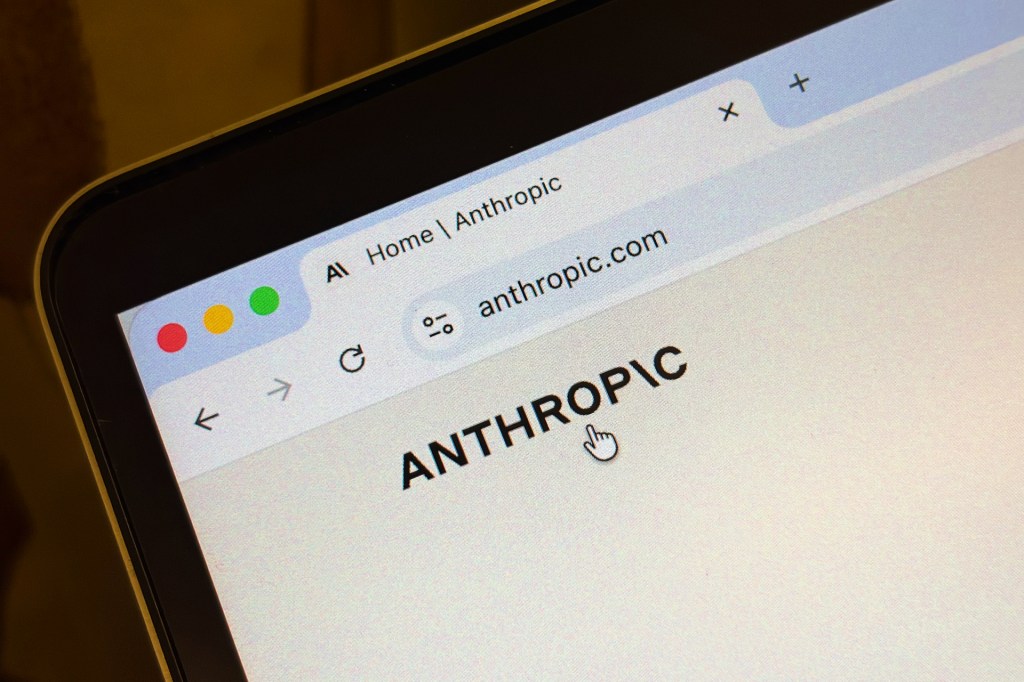
Anthropic’s India Expansion Faces Trademark Dispute with Local Firm
As Anthropic, a prominent U.S.-based artificial intelligence (AI) company, seeks to establish a foothold in India, it encounters a significant legal challenge from a domestic software firm over the use of the Anthropic name. This situation underscores the complexities global tech companies may face when entering new markets with existing local entities bearing similar or identical names.
Background of the Dispute
Anthropic Software, an Indian company operating under this name since 2017, has initiated legal proceedings against the U.S. AI firm in a commercial court in Karnataka. The complaint, filed in January, alleges that the recent entry of the American Anthropic into the Indian market has led to significant customer confusion. The Indian firm is seeking official recognition of its prior use of the name, measures to prevent further confusion, and damages amounting to ₹10 million (approximately $110,000).
Mohammad Ayyaz Mulla, founder and director of Anthropic Software, emphasized that the objective is not confrontation but clarity and acknowledgment of their established presence in India. He stated, As of now, I am exercising my legal right as it’s causing huge confusion to my customers.
Anthropic’s Strategic Moves in India
The U.S.-based Anthropic has been actively expanding its operations in India, recognizing the country’s vast potential as the world’s most populous nation and a rapidly growing internet market. In October 2025, the company announced plans to open an office in Bengaluru, a move signaling its commitment to the Indian market. This expansion was further solidified with the appointment of Irina Ghose, former Managing Director of Microsoft India, to lead its Indian operations. Ghose’s extensive experience is expected to bolster Anthropic’s efforts to establish a strong presence in the region.
Legal Proceedings and Implications
The Karnataka commercial court, in an order dated January 20, has issued notices and summons to the U.S. Anthropic. However, the court declined to grant an interim injunction, scheduling the next hearing for February 16. This legal battle highlights the challenges international companies may face regarding trademark issues when entering markets with existing local businesses bearing similar names.
India’s Growing Significance in the AI Landscape
India’s burgeoning digital economy and its status as a major internet market have made it a focal point for global AI companies. The upcoming AI Impact Summit in New Delhi is a testament to this, with industry leaders such as Dario Amodei, co-founder and CEO of Anthropic, Sam Altman, Jensen Huang, and Sundar Pichai slated to participate. This event underscores India’s pivotal role in the global AI discourse and the strategic importance it holds for companies like Anthropic.
Broader Context of Anthropic’s Global Expansion
Anthropic’s expansion into India is part of a broader strategy to establish a global presence. In recent developments, the company has been actively seeking partnerships and leadership to strengthen its position in the AI industry. In October 2025, Anthropic appointed Rahul Patil, former CTO of Stripe, as its new Chief Technical Officer, focusing on enhancing AI infrastructure. This move aims to bolster the company’s technical capabilities and support its growing operations.
Additionally, Anthropic has been exploring strategic partnerships to diversify its offerings and reduce reliance on existing collaborations. In September 2025, reports indicated that Microsoft planned to integrate Anthropic’s AI into its Office 365 applications, marking a significant shift in Microsoft’s AI strategy and highlighting Anthropic’s growing influence in the AI sector.
Conclusion
The trademark dispute between Anthropic and Anthropic Software in India serves as a critical reminder of the complexities involved in global business expansions. As AI companies continue to grow and enter new markets, navigating existing trademarks and establishing clear brand identities will be essential to avoid legal challenges and ensure smooth operations. The outcome of this case may set a precedent for how similar disputes are handled in the future, influencing strategies for international market entries in the tech industry.