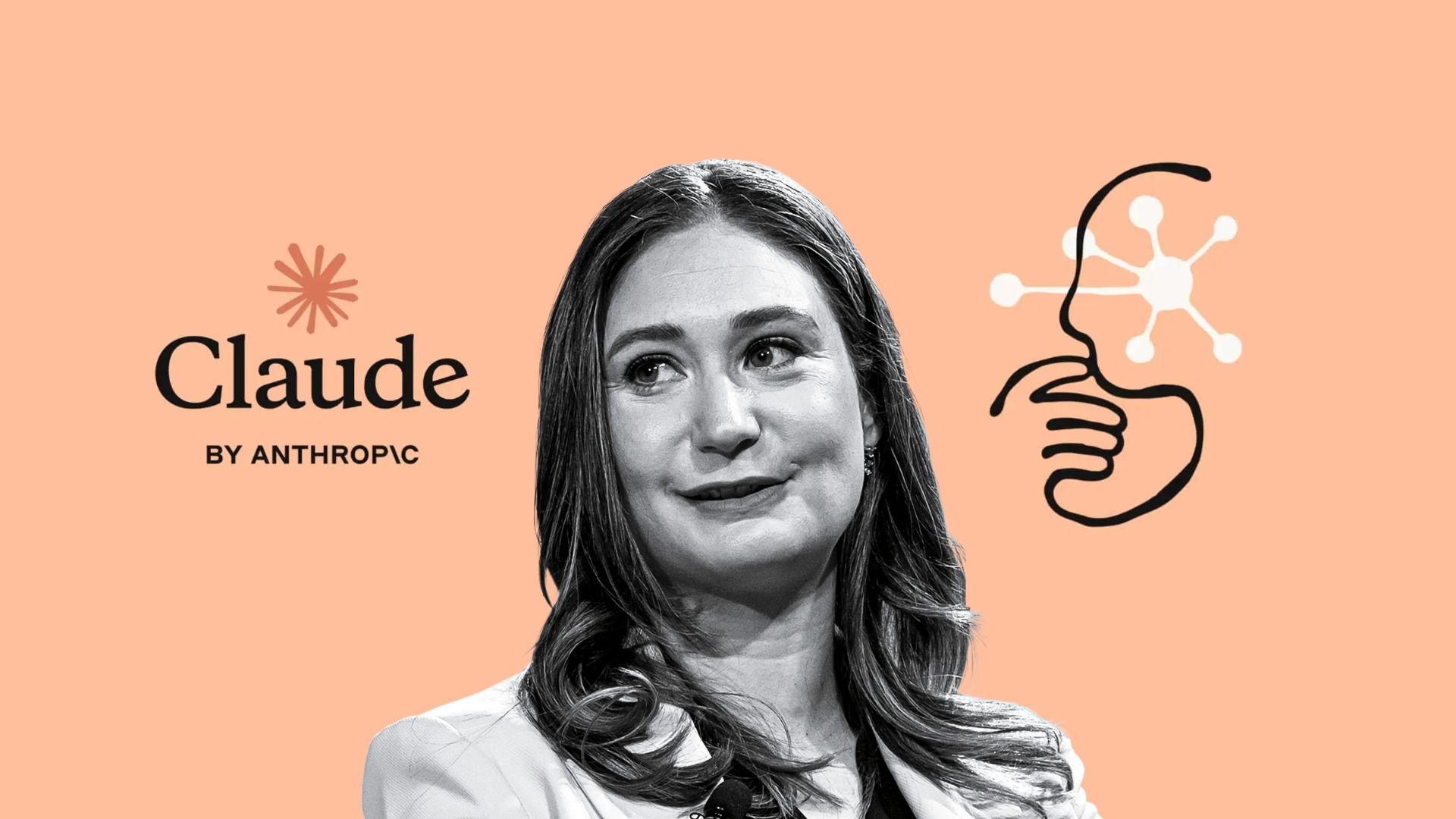
In the rapidly evolving landscape of artificial intelligence (AI), the emphasis on human-centric skills is becoming increasingly paramount. Daniela Amodei, co-founder and president of Anthropic, underscores this shift by highlighting the critical role of communication, empathy, and curiosity in the modern AI-driven workplace.
In a recent interview with ABC News, Amodei addressed prevalent concerns about AI’s potential to supplant human roles on a large scale. She stated, The number of jobs that AI could do without help from people is vanishingly small. This perspective challenges the widespread apprehension that AI might render human labor obsolete. Instead, Amodei posits that as AI technologies advance, the intrinsic human qualities of empathy, effective communication, and inquisitiveness become even more valuable.
At Anthropic, this philosophy is deeply embedded in their hiring practices. Amodei elaborated, When we look to hire people at Anthropic today, we look for people who are great communicators, who have excellent EQ and people skills, who are kind and compassionate and curious and want to help other people. This approach signifies a departure from traditional hiring metrics that prioritize technical prowess, emphasizing instead the importance of interpersonal skills and the ability to collaborate effectively with intelligent systems.
The Synergy of Humans and AI
Amodei envisions a future where AI serves as a catalyst for enhancing human work rather than diminishing it. She articulated, Humans plus AI together actually create more meaningful work, more challenging work, more interesting work, high-productivity jobs. This perspective suggests that the integration of AI can lead to more engaging and productive roles, transforming the nature of work into something more fulfilling.
Furthermore, Amodei highlighted AI’s potential to democratize access to complex tasks. By assisting individuals without extensive technical backgrounds, AI can enable a broader segment of the population to engage in sophisticated work, thereby expanding opportunities and fostering inclusivity in various professional fields.
Anthropic’s Strategic Innovations
Anthropic’s commitment to integrating AI into the workplace is exemplified by their recent launch of enterprise tools under the Claude Cowork platform. This suite includes specialized plug-ins tailored for sectors such as legal, finance, marketing, and sales. Notably, a legal-focused plug-in designed to review contracts and ensure compliance has garnered significant attention. Its introduction led to a notable downturn in software stocks, reflecting investor concerns about AI’s potential to disrupt entire industries.
Addressing these market reactions, Amodei acknowledged that while certain technical skills, like coding, may become less central over time, the demand for human attributes such as judgment, collaboration, and emotional intelligence will intensify. She emphasized that AI reshapes job roles but does not diminish the necessity for individuals who can think critically, communicate effectively, and exhibit empathy.
The Evolving Job Market in the AI Era
The integration of AI into various sectors is prompting a reevaluation of the skills deemed essential in the workforce. While technical expertise remains valuable, there is a growing recognition of the importance of soft skills. Employers are increasingly seeking candidates who can navigate the complexities of human-AI collaboration, emphasizing attributes such as adaptability, emotional intelligence, and effective communication.
This shift is not merely about complementing AI capabilities but also about ensuring that the human workforce can leverage AI tools to enhance productivity and innovation. By fostering a workforce adept in both technical and interpersonal skills, organizations can create environments where AI and human employees work synergistically, leading to more dynamic and resilient enterprises.
Anthropic’s Vision for the Future
Anthropic’s approach reflects a broader trend in the tech industry, where the focus is shifting towards creating AI systems that augment human capabilities rather than replace them. By prioritizing the hiring of individuals with strong communication skills and emotional intelligence, Anthropic aims to build teams capable of developing AI solutions that are not only technologically advanced but also ethically sound and user-centric.
This vision aligns with the growing emphasis on responsible AI development, where the goal is to create systems that are transparent, fair, and aligned with human values. By integrating diverse perspectives and fostering a culture of empathy and curiosity, companies like Anthropic are paving the way for an AI-driven future that prioritizes human well-being and societal benefit.
Conclusion
As AI continues to permeate various aspects of the workplace, the value of human-centric skills becomes increasingly evident. Daniela Amodei’s insights underscore the importance of communication, empathy, and curiosity in navigating this new landscape. By embracing these qualities, individuals and organizations can harness the full potential of AI, leading to more meaningful, challenging, and productive work experiences.
In this evolving era, the synergy between human abilities and AI capabilities holds the promise of transforming the workplace into a more inclusive, innovative, and fulfilling environment.