AI Takes Center Stage in Super Bowl 60 Advertisements
The 2026 Super Bowl marked a significant shift in advertising trends, with artificial intelligence (AI) not only being the subject of commercials but also playing a pivotal role in their creation. This evolution underscores AI’s growing influence in both the creative and technological realms.
Svedka’s AI-Generated Commercial
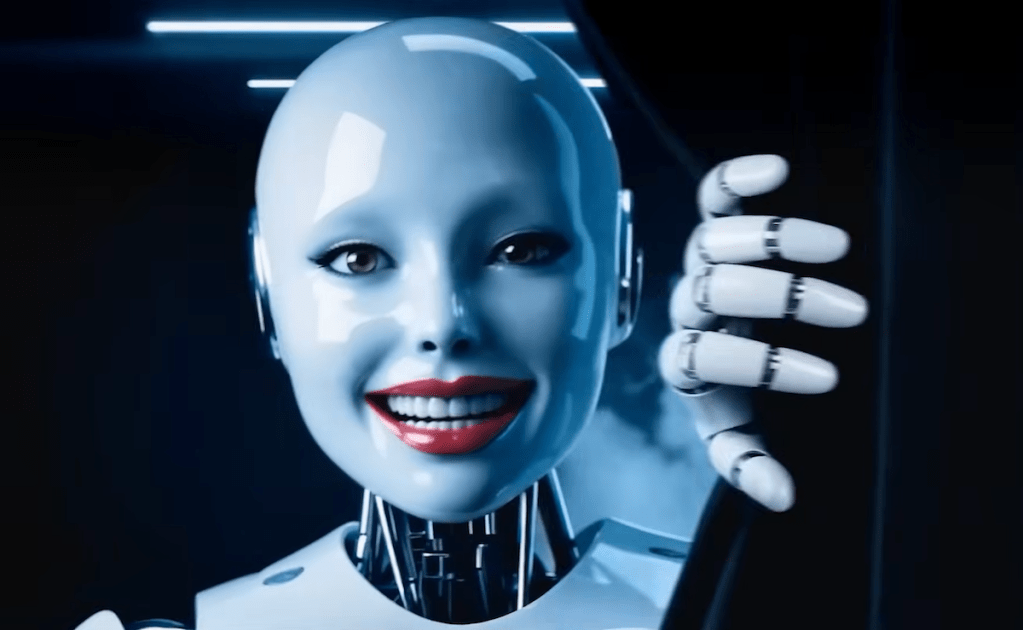
Vodka brand Svedka introduced Shake Your Bots Off, a 30-second advertisement featuring its robot characters, Fembot and Brobot, dancing at a human party. This spot is notable for being primarily AI-generated, a first for a national Super Bowl ad. Svedka’s parent company, Sazerac, invested approximately four months reconstructing Fembot and training AI to replicate human-like facial expressions and movements. While AI handled much of the production, human input was essential in developing the storyline. The collaboration with AI firm Silverside, known for its work on AI-generated Coca-Cola commercials, highlights the industry’s increasing reliance on AI in advertising. This approach has sparked discussions about AI’s role in creative industries and its potential impact on traditional jobs.
Anthropic’s Playful Jab at OpenAI
AI startup Anthropic used its Super Bowl slot to promote its chatbot, Claude, while taking a lighthearted swipe at competitor OpenAI. The ad humorously depicted a scenario where an AI assistant interrupts a conversation to promote Step Boost Maxx insoles, highlighting concerns about advertising within AI platforms. The tagline, Ads are coming to AI. But not to Claude, emphasized Anthropic’s commitment to an ad-free user experience. This playful critique led to a public exchange between Anthropic and OpenAI’s CEO, Sam Altman, who labeled the ad as clearly dishonest. The incident underscores the competitive dynamics within the AI industry and the importance of user trust.
Meta’s Showcase of AI Glasses
Meta’s advertisement spotlighted its Oakley-branded AI glasses, designed for sports and adventure enthusiasts. The commercial featured thrill-seekers, including skydivers and mountain bikers, using the glasses to capture and share their experiences seamlessly. Cameos by personalities like IShowSpeed and filmmaker Spike Lee demonstrated features such as slow-motion recording and hands-free social media posting. This campaign builds on Meta’s previous efforts to integrate AI into wearable technology, aiming to enhance user experiences in dynamic environments.
Amazon’s Humorous Take on AI Fears
Amazon’s Super Bowl ad took a comedic approach to common apprehensions about AI. Starring Chris Hemsworth, the commercial portrayed exaggerated scenarios where the new Alexa+ seemingly sabotages his daily activities, from closing the garage door on his head to shutting the pool cover while he swims. Beyond the humor, the ad introduced Alexa+’s enhanced capabilities, including advanced smart home management and vacation planning. This blend of comedy and product demonstration aimed to address and alleviate consumer concerns about AI integration into daily life.
Ring’s Community-Driven AI Feature
Ring’s advertisement highlighted its Search Party feature, which utilizes AI and community networks to help reunite lost pets with their owners. The ad followed a young girl searching for her dog, Milo, illustrating how users can upload a pet’s photo to the app. The AI then identifies potential matches and leverages nearby cameras and the broader Ring community to locate the missing pet. Notably, this feature is accessible to all users, even those without Ring security cameras, and has successfully reunited numerous pets with their families.
Google’s Nano Banana Pro
Google’s commercial introduced the Nano Banana Pro, its latest image-generation model. The ad depicted a mother and son using AI to envision and design their new home, transforming photos of empty rooms into personalized spaces through simple prompts. This demonstration showcased the model’s potential in home design and personalization, emphasizing AI’s growing role in creative processes.
Ramp’s Productivity Multiplication
Financial technology company Ramp featured actor Brian Baumgartner, known for his role as Kevin in The Office, in its Super Bowl spot. The ad humorously showed Baumgartner using Ramp’s AI-powered spend management platform to multiply himself, efficiently handling a mountain of work. This portrayal highlighted how Ramp’s solutions enable teams to focus on critical tasks through smart automation. A playful nod to Baumgartner’s TV persona included a scene with him carrying a pot of chili, referencing a memorable moment from The Office.
Rippling’s Alien Onboarding
Rippling, a cloud-based workforce management platform, debuted its first Super Bowl ad featuring comedian Tim Robinson. The commercial humorously depicted the challenges of onboarding an alien monster, satirizing common HR headaches and showcasing the promise of AI automation in simplifying complex processes.
Hims & Hers’ Commentary on Healthcare Access
Health company Hims & Hers used its Super Bowl spot to address disparities in healthcare access. The ad cleverly referenced the lengths the wealthy go to for health and longevity, including subtle jabs at high-profile figures’ expensive anti-aging routines. In recent years, the company launched an AI-powered MedMatch tool to deliver more personalized treatment recommendations, especially for mental health and wellness.
Wix’s AI-Powered Website Creation
Website builder Wix showcased its new AI-powered platform, Wix Harmony, promising website creation as easy as chatting with a friend. Unveiled in January, the platform combines AI-driven creation with full visual editing and customization, aiming to simplify the web development process for users.
The 2026 Super Bowl advertisements reflect a broader trend of integrating AI into both the content and creation of commercials. Brands are leveraging AI to enhance creativity, personalize user experiences, and address societal issues, signaling a new era in advertising where technology and storytelling converge.