BridgePay Ransomware Attack Disrupts Nationwide Payment Processing
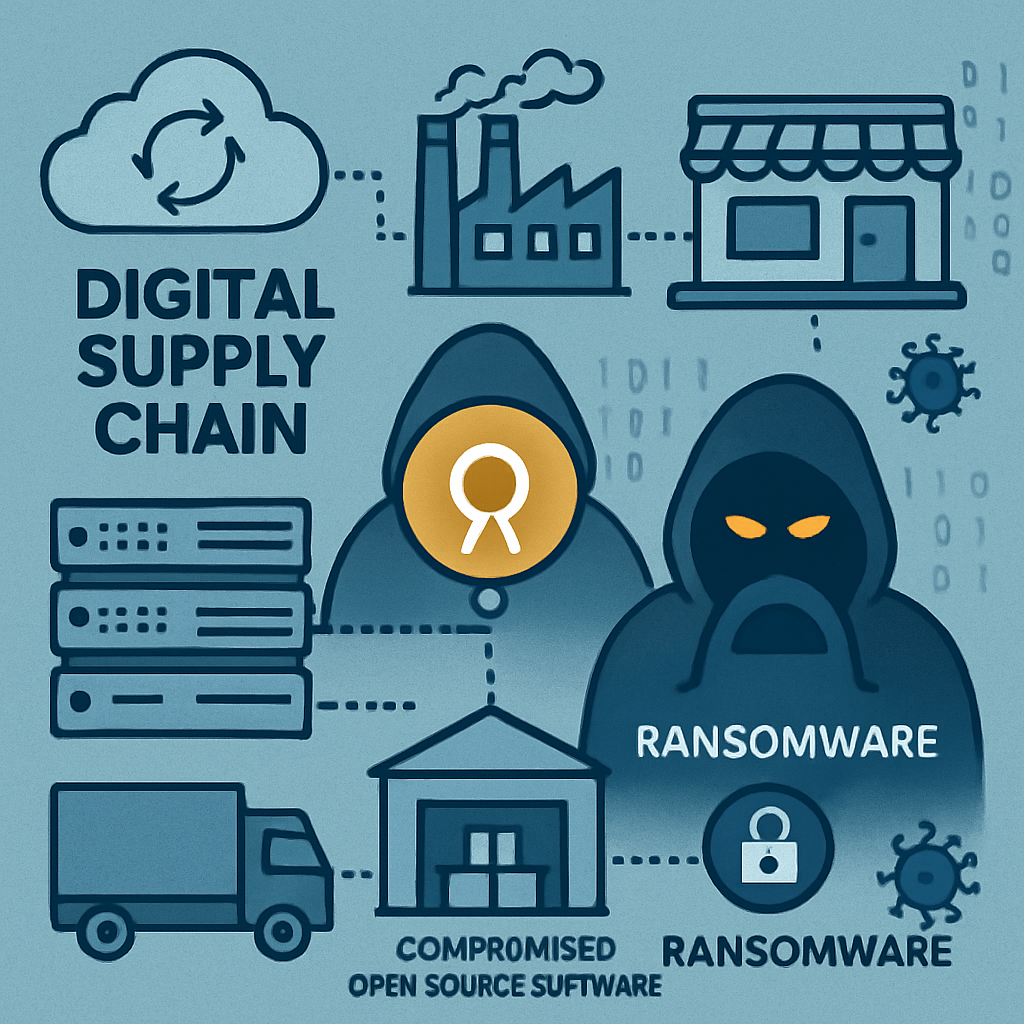
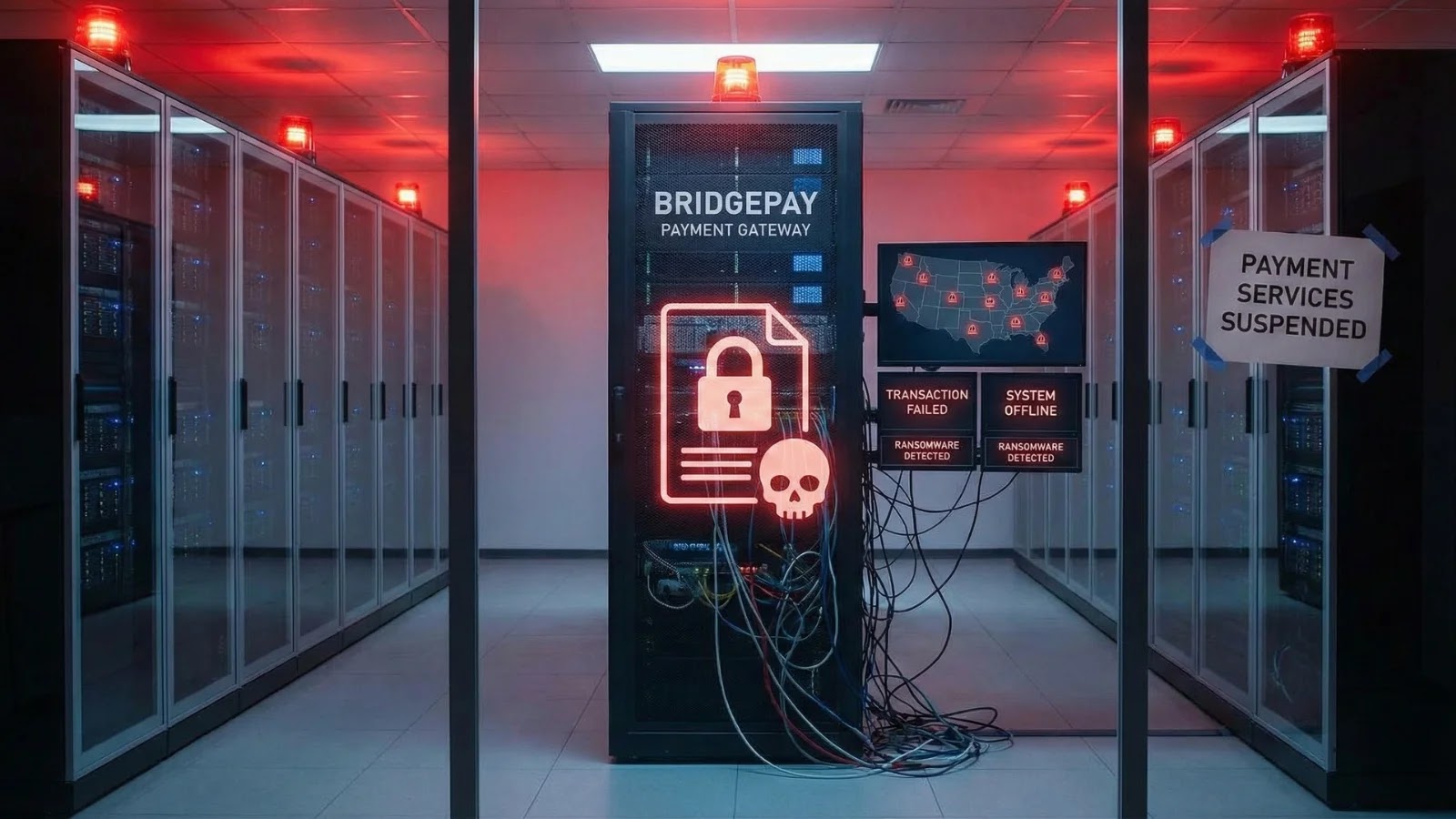
On February 6, 2026, BridgePay Network Solutions, a prominent U.S. payment gateway provider, experienced a significant ransomware attack that led to widespread service outages, severely impacting merchants and consumers across the nation.
Incident Timeline and Immediate Response
The disruption commenced at approximately 3:29 a.m. EST, with initial signs of degraded performance in critical systems, including the Gateway.Itstgate.com virtual terminal, reporting tools, and API services. By 5:48 a.m., BridgePay acknowledged the system failures but could not provide an estimated time for resolution. An hour later, the company identified the issue as a cybersecurity incident and initiated an investigation involving internal teams, external specialists, and federal authorities, including the FBI. By 7:08 p.m., BridgePay confirmed that a ransomware attack was the root cause of the outage. Preliminary forensic analyses indicated that while certain files were encrypted, there was no evidence of payment card data compromise or usable data exposure. ([bleepingcomputer.com](https://www.bleepingcomputer.com/news/security/payments-platform-bridgepay-confirms-ransomware-attack-behind-outage/?utm_source=openai))
Scope of the Disruption
The ransomware attack incapacitated several of BridgePay’s core services:
– BridgePay Gateway API (BridgeComm): Essential for processing transactions.
– PayGuardian Cloud API: Facilitates secure payment processing.
– MyBridgePay Virtual Terminal and Reporting: Tools for transaction management and analytics.
– Hosted Payment Pages: Interfaces for online customer payments.
– PathwayLink Gateway and Boarding Portals: Platforms for merchant onboarding and integration.
This extensive service disruption forced numerous merchants to revert to cash-only transactions. For instance, a restaurant reported a nationwide cybersecurity breach affecting its card processor, rendering card payments unavailable. Similarly, the City of Palm Bay, Florida, announced that its online billing portal was down due to the BridgePay incident, advising residents to make payments in person using cash, card, or check. Other entities, including Lightspeed Commerce, ThriftTrac, and the City of Frisco, Texas, also reported service interruptions linked to the BridgePay outage. ([bleepingcomputer.com](https://www.bleepingcomputer.com/news/security/payments-platform-bridgepay-confirms-ransomware-attack-behind-outage/?utm_source=openai))
BridgePay’s Response and Recovery Efforts
In response to the attack, BridgePay engaged federal authorities such as the FBI and the U.S. Secret Service, alongside forensic and cybersecurity experts, to assess the situation and initiate recovery processes. The company emphasized that while the restoration of services was a priority, the process would be conducted securely and responsibly, without compromising customer data. As of the latest updates, BridgePay has not disclosed the specific ransomware group responsible for the attack, and a definitive timeline for full system recovery remains uncertain. ([bleepingcomputer.com](https://www.bleepingcomputer.com/news/security/payments-platform-bridgepay-confirms-ransomware-attack-behind-outage/?utm_source=openai))
Implications for the Payment Industry
This incident underscores the escalating threat of ransomware attacks targeting payment infrastructures. Such disruptions can have immediate and far-reaching consequences, halting commerce and eroding consumer trust. Unlike attacks that involve data exfiltration, this event primarily involved the encryption of files, rendering systems inoperable without necessarily compromising sensitive data. Nonetheless, the operational impact was profound, highlighting the critical need for robust cybersecurity measures and incident response strategies within the payment processing industry.
Lessons for Fintech Leaders
The BridgePay ransomware attack serves as a stark reminder for fintech leaders about the importance of cybersecurity resilience. Key takeaways include:
– Operational Continuity as a Security Priority: Ransomware attacks are increasingly focused on disrupting operations rather than merely stealing data. Ensuring system availability is paramount to maintaining business continuity.
– Third-Party Risk Management: The interconnected nature of fintech ecosystems means that a security breach in one organization can have cascading effects across multiple entities. It’s essential to assess and manage risks associated with third-party vendors and partners.
– Proactive Incident Response Planning: Developing and regularly updating incident response plans can significantly reduce the impact of cyberattacks. Simulated exercises and continuous monitoring can enhance preparedness.
Conclusion
The ransomware attack on BridgePay Network Solutions highlights the vulnerabilities inherent in digital payment infrastructures and the critical importance of cybersecurity vigilance. As the fintech industry continues to evolve, prioritizing security measures and fostering a culture of resilience will be essential in safeguarding against future threats.