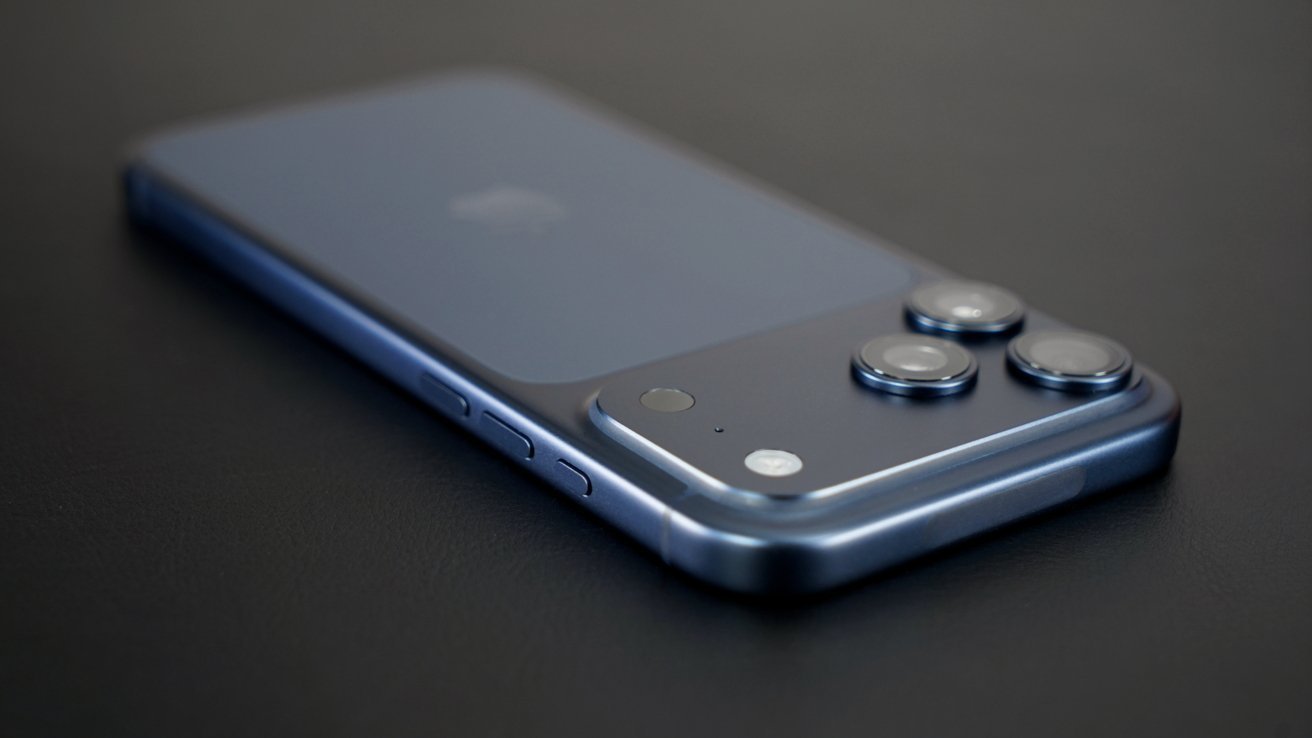
iPhone 18 Pro’s Variable Aperture Camera: A Game-Changer for Mobile Photography
Apple’s forthcoming iPhone 18 Pro is poised to revolutionize smartphone photography with the introduction of a variable aperture main camera. This innovative feature is expected to provide users with unprecedented control over their photographic outcomes, enhancing both versatility and image quality.
Understanding Variable Aperture
In traditional smartphone cameras, the aperture—the opening that allows light to reach the sensor—is fixed. This limitation restricts the camera’s adaptability to varying lighting conditions and depth-of-field requirements. A variable aperture, however, can adjust its size, allowing photographers to manipulate the amount of light entering the lens. This adjustment directly influences exposure and depth of field, offering greater creative control.
Implications for iPhone 18 Pro Users
The integration of a variable aperture in the iPhone 18 Pro’s main camera is anticipated to bring several benefits:
1. Enhanced Low-Light Performance: By widening the aperture, the camera can capture more light, resulting in brighter and clearer images in dim environments.
2. Improved Depth of Field Control: Adjusting the aperture size allows users to achieve a shallow depth of field, creating a natural bokeh effect without relying on computational methods.
3. Greater Exposure Flexibility: Photographers can fine-tune exposure settings more precisely, balancing shutter speed and ISO to achieve optimal image quality.
Technical Developments and Manufacturing
Reports indicate that Apple has finalized plans for the variable aperture component and is coordinating with manufacturers such as LG Innotek and Foxconn for production. Actuators necessary for aperture adjustment are expected to be supplied by Luxshare ICT and Sunny Optical. This collaboration underscores Apple’s commitment to integrating advanced hardware into its devices.
Historical Context and Industry Trends
The concept of variable apertures in smartphones isn’t entirely new. In 2024, there were speculations about the iPhone 17 incorporating this feature, though it did not materialize. Analyst Ming-Chi Kuo has been a proponent of this development, predicting its inclusion in the iPhone 18 Pro as early as November 2024. The resurgence of these rumors suggests a growing industry focus on enhancing camera capabilities through hardware innovations.
Potential Challenges and Considerations
Implementing a variable aperture system presents certain challenges:
– Space Constraints: Smartphones have limited internal space, making the integration of mechanical components like adjustable apertures complex.
– Durability Concerns: Moving parts may be susceptible to wear and tear, potentially affecting the camera’s longevity and reliability.
– Cost Implications: Advanced hardware features can increase production costs, which may be reflected in the device’s final price.
Broader Camera System Enhancements
In addition to the variable aperture main camera, the iPhone 18 Pro is rumored to feature other significant camera upgrades:
– Larger Aperture Telephoto Lens: An increase from the existing f/2.8 aperture is being considered, which would enhance light intake and improve image quality in telephoto shots.
– Teleconverter Integration: Apple is reportedly evaluating the inclusion of a teleconverter, a lens attachment that magnifies the camera’s focal length, offering greater zoom capabilities. However, this addition may reduce light transmission and affect image sharpness.
Market Implications and Consumer Expectations
The introduction of a variable aperture camera aligns with the growing consumer demand for professional-grade photography features in smartphones. As mobile photography becomes increasingly prevalent, users seek devices that offer flexibility and high-quality results comparable to dedicated cameras. Apple’s potential adoption of this technology could set a new standard in the industry, prompting competitors to explore similar innovations.
Conclusion
The anticipated variable aperture main camera in the iPhone 18 Pro represents a significant leap forward in smartphone photography. By providing users with greater control over exposure and depth of field, Apple continues to push the boundaries of what’s possible with mobile devices. While challenges remain in implementing this technology, the potential benefits for photographers and everyday users alike are substantial.