How a Single Song Can Disrupt Your Apple Music Experience
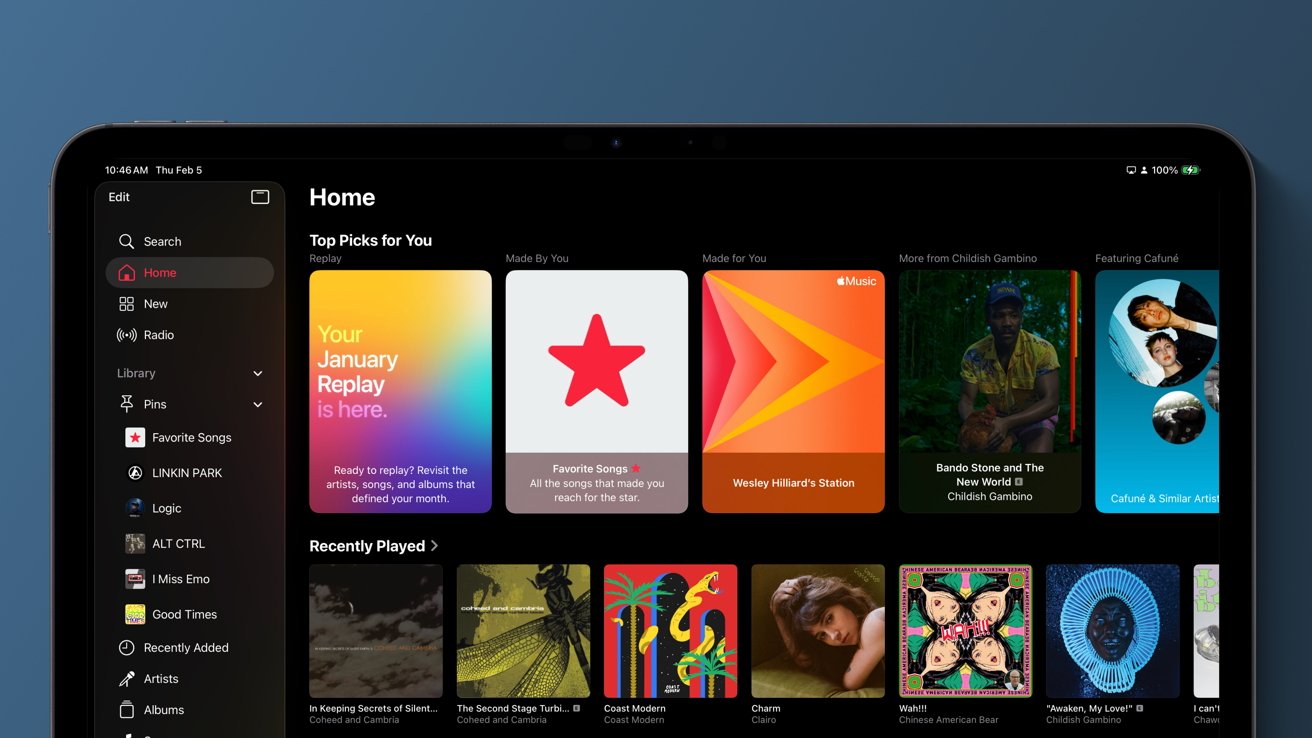
Apple Music stands as a premier choice for music streaming, particularly for those deeply integrated into the Apple ecosystem. Its seamless interface and curated playlists offer a personalized listening journey. However, a significant flaw in its recommendation algorithm can disrupt this experience: playing just one song outside your usual preferences can skew your recommendations for an extended period.
The Delicate Balance of Apple Music’s Algorithm
Apple Music’s algorithm is designed to adapt to your listening habits, offering suggestions that align with your tastes. This adaptability is beneficial, but it also means that any deviation—like playing a holiday tune, a children’s song, or a niche genre—can lead to a cascade of unrelated recommendations. For instance, listening to a single Christmas song might result in a playlist dominated by holiday music for weeks.
Challenges for Households and Shared Devices
The issue becomes more pronounced in households where multiple users share devices. Parents who allow their children to play songs on their account may find their personalized playlists inundated with children’s music. While Apple offers solutions like creating child accounts through Family Sharing, these require proactive setup and management. Without such measures, the main account’s algorithm can be significantly affected by others’ listening choices.
Current Workarounds and Their Limitations
Apple provides some tools to manage this issue:
– Use Listening History Toggle: Located deep within the Settings app, this feature allows users to disable the influence of their current listening session on future recommendations. However, its buried placement makes it easy to overlook.
– Per-Device Permissions: Users can set permissions on devices like Apple TV and HomePod to prevent them from affecting the main account’s algorithm. This requires manual configuration for each device.
– Focus Modes: By associating different Focus Modes with the Use Listening History setting, users can control when their listening habits influence recommendations. For example, enabling this during personal time and disabling it during work hours.
While these tools offer some control, they place the responsibility entirely on the user. Forgetting to adjust these settings even once can lead to unintended consequences.
A Call for More Intuitive Controls
To enhance user experience, Apple could introduce more intuitive controls within the Apple Music app:
– Do Not Track Option: Allowing users to mark specific songs, albums, playlists, or genres as exempt from influencing the recommendation algorithm.
– Never Recommend Feature: Providing a straightforward way to block certain artists or genres from appearing in recommendations.
Such features would empower users to explore diverse music without the fear of disrupting their personalized playlists.
The Importance of User Control in Streaming Services
In the competitive landscape of music streaming, user control is paramount. While Apple Music offers high-quality audio and seamless integration with Apple devices, its recommendation system’s sensitivity can be a drawback. Implementing more granular controls would not only improve user satisfaction but also reinforce Apple’s commitment to delivering a personalized and enjoyable listening experience.
Looking Ahead: The Role of Apple Intelligence
With advancements in artificial intelligence, Apple has the opportunity to refine its music recommendation system. By integrating more sophisticated AI tools, Apple Music could offer users the ability to interact with and adjust their algorithms in real-time, ensuring that their listening experience remains both personalized and flexible.
Conclusion
While Apple Music offers a robust platform for music enthusiasts, the current limitations in its recommendation algorithm highlight the need for more user-friendly controls. By addressing these issues, Apple can enhance the user experience, allowing listeners to explore new genres and artists without compromising their personalized playlists.