Capitol Hill Investigates Alleged DOJ Pressure on Tech Giants to Remove ICE-Monitoring Apps
In a significant development on Capitol Hill, House Judiciary Committee Ranking Member Jamie Raskin has announced an investigation into the Department of Justice (DOJ) concerning allegations that it pressured major technology companies, Apple and Google, to remove applications designed to monitor Immigration and Customs Enforcement (ICE) activities. This inquiry centers on potential First Amendment violations and the broader implications for free speech and government accountability.
Background on ICEBlock and Its Removal
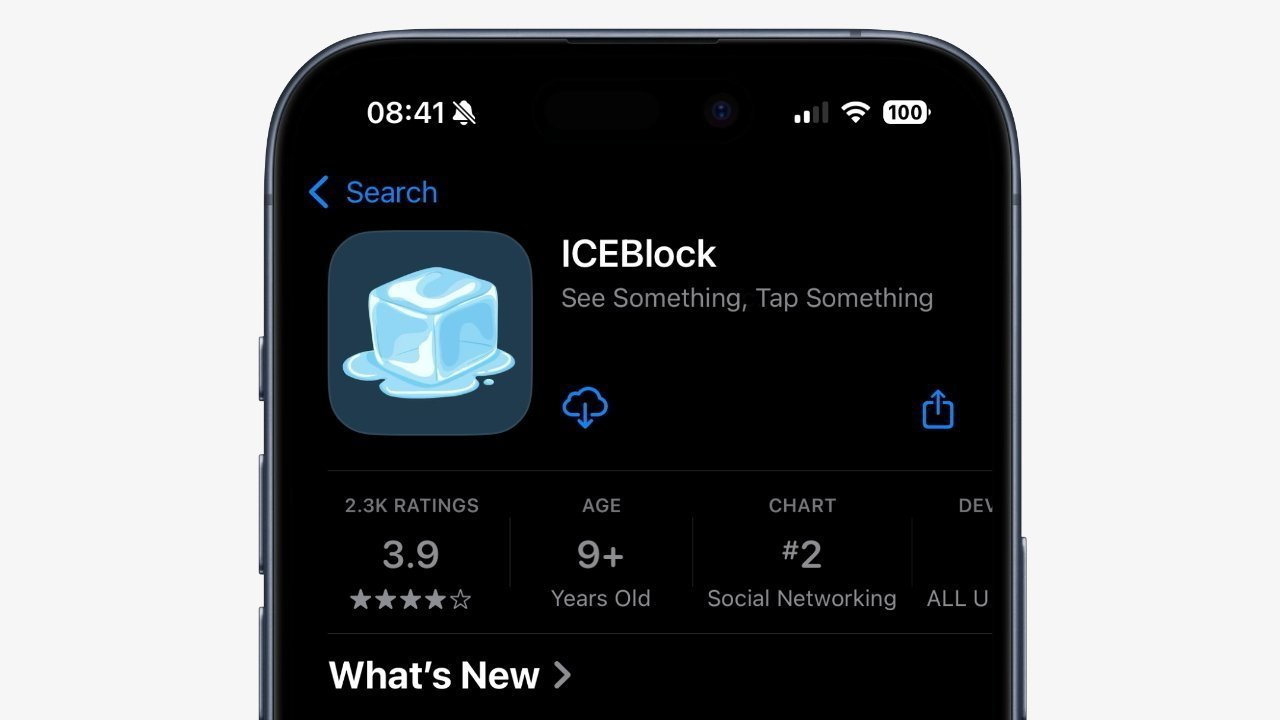
The controversy began in April 2025 with the launch of ICEBlock, an application developed by Joshua Aaron. ICEBlock enabled users to report sightings of ICE agents, displaying these reports within a five-mile radius for four hours before they expired. The app aimed to provide communities with real-time information about ICE operations, allowing individuals to make informed decisions about their movements and activities.
In July 2025, Attorney General Pam Bondi publicly criticized Aaron on national television, stating, We are looking at him, and he better watch out. By October, the DOJ formally requested that Apple and Google remove ICEBlock from their respective app stores, citing concerns that the app posed safety risks to ICE agents. Apple complied, explaining that it had received information from law enforcement about these risks. However, no concrete evidence was provided to substantiate claims that the app had been used to orchestrate attacks against ICE personnel.
Legal and Constitutional Concerns
The removal of ICEBlock has raised significant legal and constitutional questions. Critics argue that the DOJ’s actions may constitute a violation of the First Amendment, which protects freedom of speech and the press. The First Amendment explicitly states:
Congress shall make no law respecting an establishment of religion, or prohibiting the free exercise thereof; or abridging the freedom of speech, or of the press; or the right of the people peaceably to assemble, and to petition the Government for a redress of grievances.
By allegedly coercing private companies to remove a lawful application, the DOJ may have circumvented constitutional protections designed to prevent government overreach into free expression. Notably, the DOJ did not seek a court order to mandate the app’s removal, opting instead to directly pressure the tech companies. This approach has been interpreted by some as an attempt to avoid legal scrutiny and potential First Amendment challenges.
Broader Implications and Additional App Removals
The ICEBlock case is not isolated. Around the same time, another application, Eyes Up, was removed from the App Store. Unlike ICEBlock, Eyes Up functioned as an archival tool, saving videos and articles that documented ICE activities under the Trump administration. The app’s administrator stated, Our goal is government accountability; we aren’t even doing real-time tracking. The removal of Eyes Up further underscores concerns about potential government overreach and the suppression of tools designed to promote transparency and accountability.
Congressional Response and Ongoing Investigations
In December 2025, the House Committee on Homeland Security sent letters to Apple CEO Tim Cook and Google CEO Sundar Pichai, requesting details on how their companies were preventing similar ICE-monitoring apps from appearing in their app stores. The committee expressed concerns that such apps could jeopardize the safety of [Department of Homeland Security] personnel. This move has been perceived by some as an extension of efforts to suppress applications that facilitate public oversight of government actions.
In response to these developments, Joshua Aaron, the developer of ICEBlock, has initiated legal action against the DOJ, ICE, and other involved parties. Aaron’s lawsuit alleges that the government’s actions violated his First Amendment rights by coercing private entities to suppress lawful speech. He argues that no government entity has the authority to pressure a private company, publicly or privately, to perform an action that infringes upon constitutional rights.
Implications for Tech Companies and Free Speech
The actions taken by Apple and Google in response to government pressure have sparked a broader debate about the role of tech companies in upholding free speech and resisting potential government overreach. While these companies have policies in place to remove content that poses safety risks, the lack of concrete evidence linking ICEBlock to actual harm raises questions about the criteria used to evaluate such risks.
Furthermore, these incidents highlight the delicate balance tech companies must maintain between complying with government requests and protecting user rights. The perception that these companies may be susceptible to government influence could undermine public trust and raise concerns about the potential for censorship and the suppression of dissenting voices.
Conclusion
The Capitol Hill investigation into the DOJ’s alleged pressure on Apple and Google to remove ICE-monitoring apps underscores the complex interplay between government authority, corporate responsibility, and constitutional rights. As this inquiry unfolds, it will be crucial to examine the extent to which government actions may infringe upon free speech and the mechanisms in place to protect against such overreach. The outcomes of this investigation could have far-reaching implications for the tech industry, government accountability, and the preservation of fundamental freedoms in the digital age.