Samsung Galaxy S26 Series: Enhanced Wireless Charging Without Qi2 Magnets
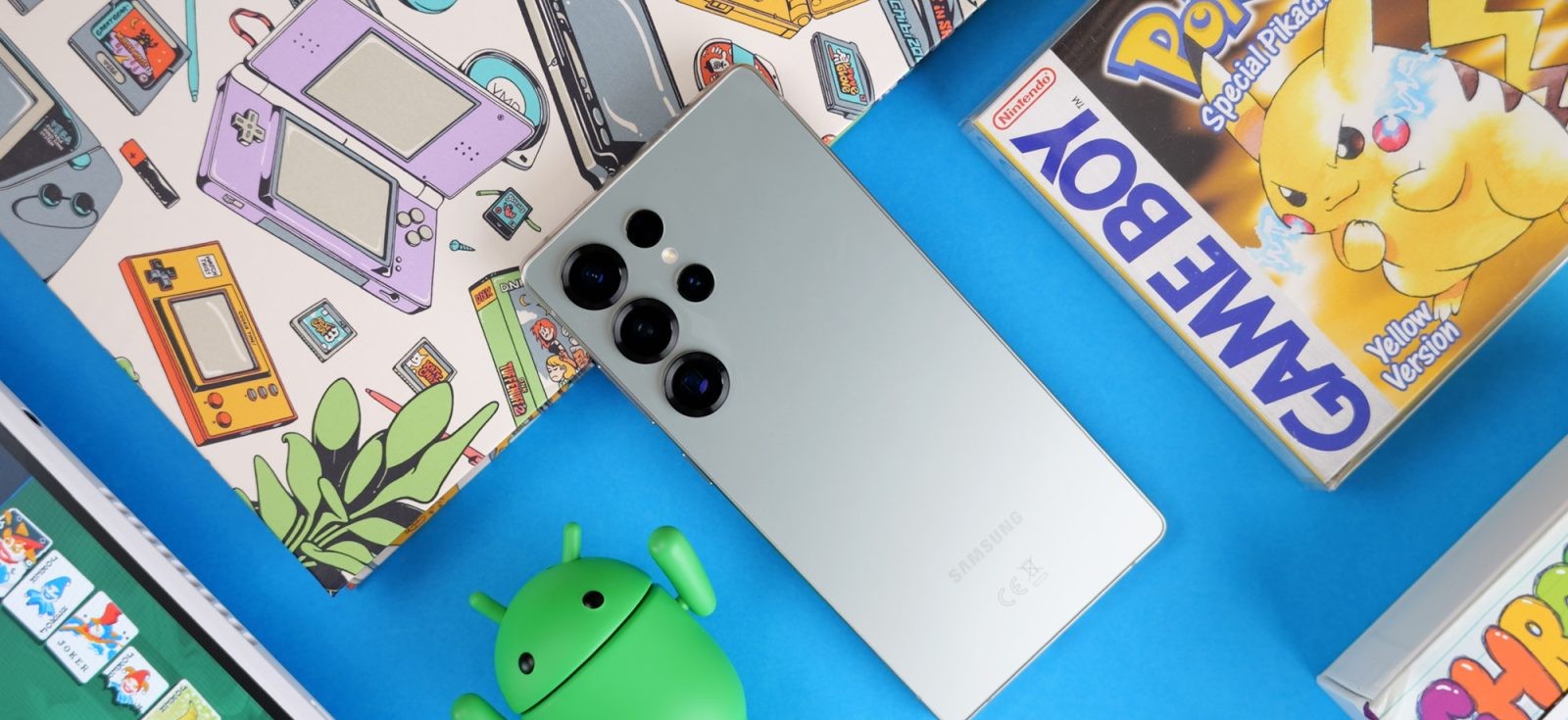
Samsung’s forthcoming Galaxy S26 series is poised to introduce significant enhancements in wireless charging capabilities, marking a notable advancement over its predecessors. However, recent reports indicate that these improvements will not include the integration of built-in Qi2 magnets, a feature that has been highly anticipated by many users.
Upgraded Wireless Charging Specifications
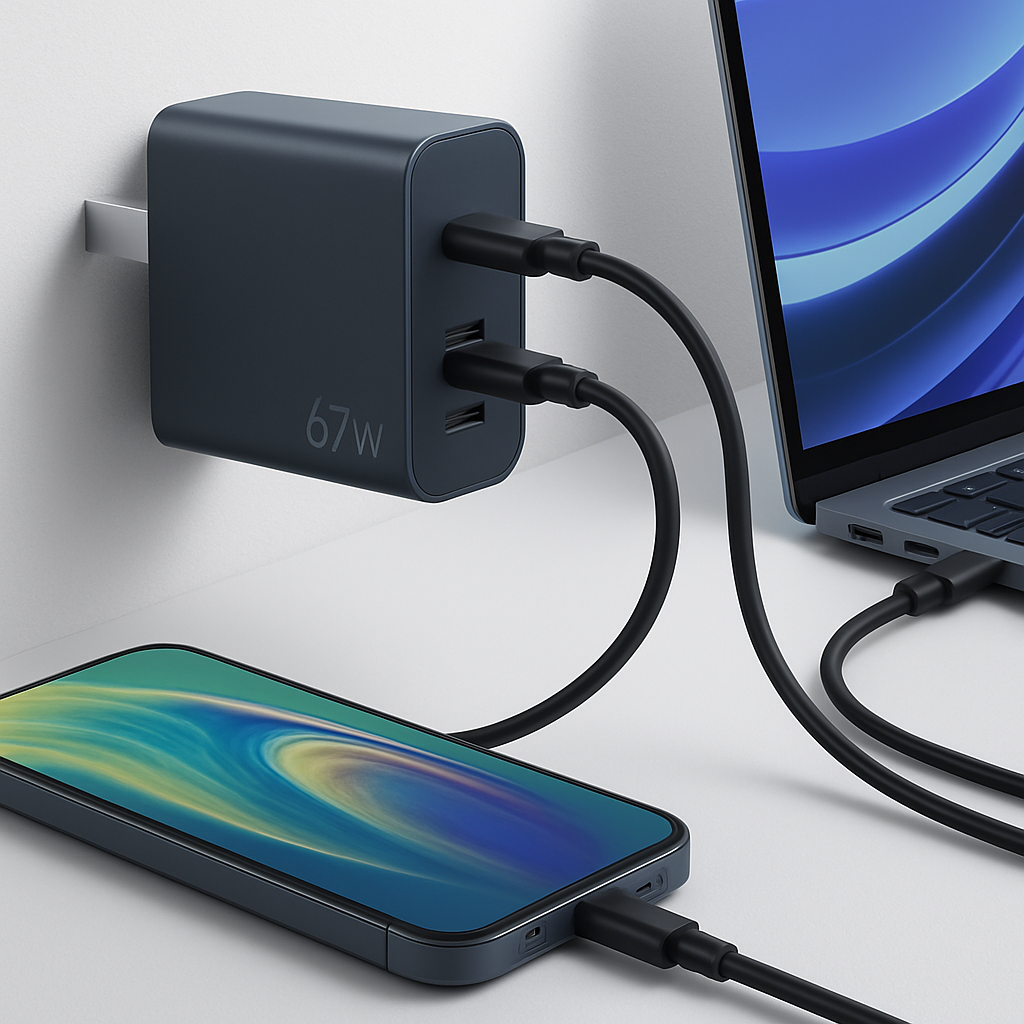
The Galaxy S26 lineup is expected to support the Qi 2.2.1 wireless charging standard, an upgrade from the Qi 2.1.0 standard utilized in the Galaxy S25 series. This advancement suggests that the new devices will offer faster wireless charging speeds. Specifically, the Galaxy S26 and S26+ models are anticipated to support up to 20W wireless charging, while the Galaxy S26 Ultra may reach up to 25W. This represents a significant improvement over the 15W wireless charging limit that has been standard in Samsung’s flagship devices for the past six years. The increased charging speeds are expected to reduce the time required to fully charge the devices, enhancing user convenience. ([digitaltrends.com](https://www.digitaltrends.com/phones/galaxy-s26-will-reportedly-speed-up-wireless-charging-and-your-wait-times-drop/?utm_source=openai))
Absence of Built-in Qi2 Magnets
Despite the advancements in charging speed, the Galaxy S26 series is reportedly set to omit built-in Qi2 magnets. These magnets are a key component of the Qi2 standard, facilitating precise alignment between the device and the charger, thereby improving charging efficiency and enabling compatibility with magnetic accessories. The absence of this feature means that users seeking magnetic attachment capabilities will need to rely on specialized cases or accessories, rather than having this functionality integrated directly into the device. ([tomsguide.com](https://www.tomsguide.com/phones/samsung-phones/samsung-galaxy-s26-is-about-to-miss-out-on-this-major-feature-and-im-fuming?utm_source=openai))
Implications for Users
The decision to exclude built-in Qi2 magnets may have several implications for users:
– Accessory Compatibility: Without integrated magnets, the Galaxy S26 series may not natively support magnetic accessories such as grips, stands, or wallets. Users desiring this functionality will need to invest in additional accessories or cases that provide magnetic capabilities.
– Charging Alignment: The lack of built-in magnets could make it more challenging to achieve optimal alignment between the device and the wireless charger, potentially affecting charging efficiency.
– Market Positioning: Competitors like Apple’s iPhone series and Google’s Pixel 10 have embraced the full Qi2 standard, including built-in magnets. Samsung’s decision to forgo this feature may influence consumer perceptions, especially among those who prioritize seamless wireless charging and accessory integration.
Potential Reasons for the Omission
Several factors may have influenced Samsung’s decision to exclude built-in Qi2 magnets from the Galaxy S26 series:
– Interference Concerns: Integrating magnets could potentially interfere with other device functionalities. For instance, strong magnetic fields might affect the performance of the S Pen stylus, a feature present in the Galaxy S26 Ultra. ([tomsguide.com](https://www.tomsguide.com/phones/samsung-phones/samsung-may-skip-adding-qi2-to-the-galaxy-s26-ultra-and-i-think-theyve-made-the-right-call?utm_source=openai))
– Design Considerations: Incorporating magnets may necessitate design changes that could impact the device’s form factor, weight, or internal component arrangement.
– Cost Implications: Adding built-in magnets could increase manufacturing costs, which might be passed on to consumers. Samsung may have opted to keep costs down by omitting this feature.
Conclusion
The Samsung Galaxy S26 series is set to deliver notable improvements in wireless charging speeds, addressing a longstanding limitation in previous models. However, the absence of built-in Qi2 magnets means that users will not benefit from the enhanced alignment and accessory compatibility that this feature offers. While this decision may disappoint some consumers, the overall enhancements in charging capabilities still represent a significant step forward for Samsung’s flagship devices.