NASA Astronauts to Capture Lunar Missions with Personal Smartphones
In a groundbreaking development, NASA has authorized astronauts to carry personal smartphones on space missions, beginning with the upcoming Crew-12 and Artemis II expeditions. This policy shift aims to enhance the documentation of space travel and provide the public with more intimate glimpses into astronauts’ experiences.
Enhancing Personal Documentation
Traditionally, astronauts have relied on specialized equipment to capture images and videos during missions. However, the integration of personal smartphones allows for more spontaneous and personal documentation. NASA Administrator Jared Isaacman emphasized this initiative, stating, We are giving our crews the tools to capture special moments for their families and share inspiring images and video with the world.
Upcoming Missions
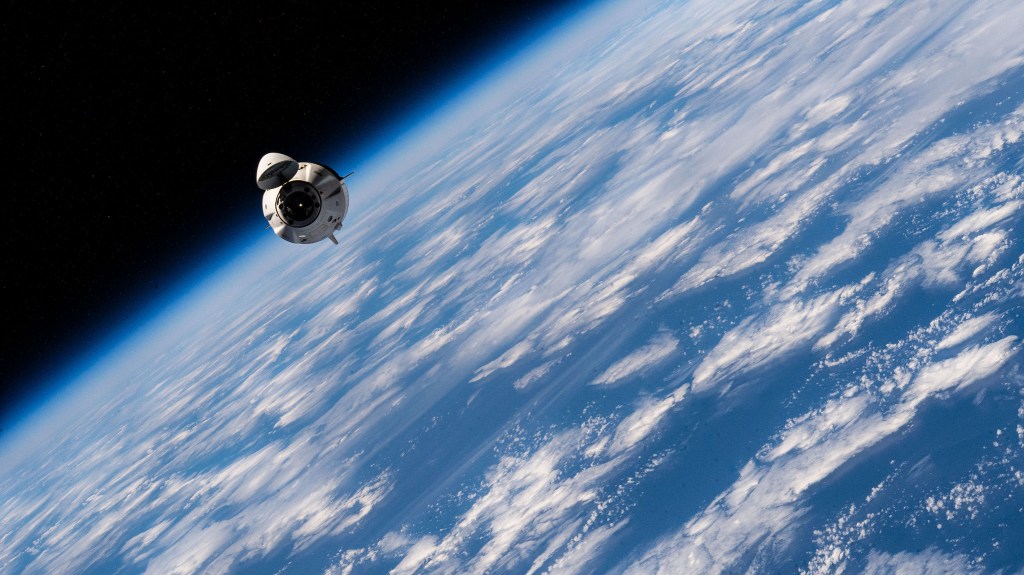
The Crew-12 mission is scheduled to depart for the International Space Station next week. Following this, the Artemis II mission, which marks the first human journey around the Moon since the 1960s, is slated for March. These missions will be among the first to implement the new smartphone policy, potentially offering unprecedented insights into life aboard spacecraft and the lunar environment.
Operational Considerations
The decision to permit personal devices in space required a thorough evaluation of safety and operational protocols. Isaacman highlighted the importance of this process, noting, Just as important, we challenged long-standing processes and qualified modern hardware for spaceflight on an expedited timeline. That operational urgency will serve NASA well as we pursue the highest-value science and research in orbit and on the lunar surface.
Historical Context
While this marks the first time NASA has allowed personal smartphones on missions, it’s not the first instance of such devices in space. Private spaceflight companies, like SpaceX, have previously permitted astronauts to bring smartphones on their missions. This precedent provided valuable insights into the feasibility and benefits of integrating personal devices into space travel.
Implications for Public Engagement
The inclusion of personal smartphones is expected to revolutionize public engagement with space missions. Astronauts will have the capability to share real-time updates, photos, and videos directly from space, fostering a deeper connection between the public and space exploration. This move aligns with NASA’s broader strategy to inspire and educate by providing transparent and relatable content from their missions.
Conclusion
NASA’s decision to allow astronauts to bring personal smartphones on missions represents a significant step toward modernizing space travel documentation. By leveraging familiar technology, astronauts can offer more personal and immediate insights into their experiences, enriching public understanding and enthusiasm for space exploration.