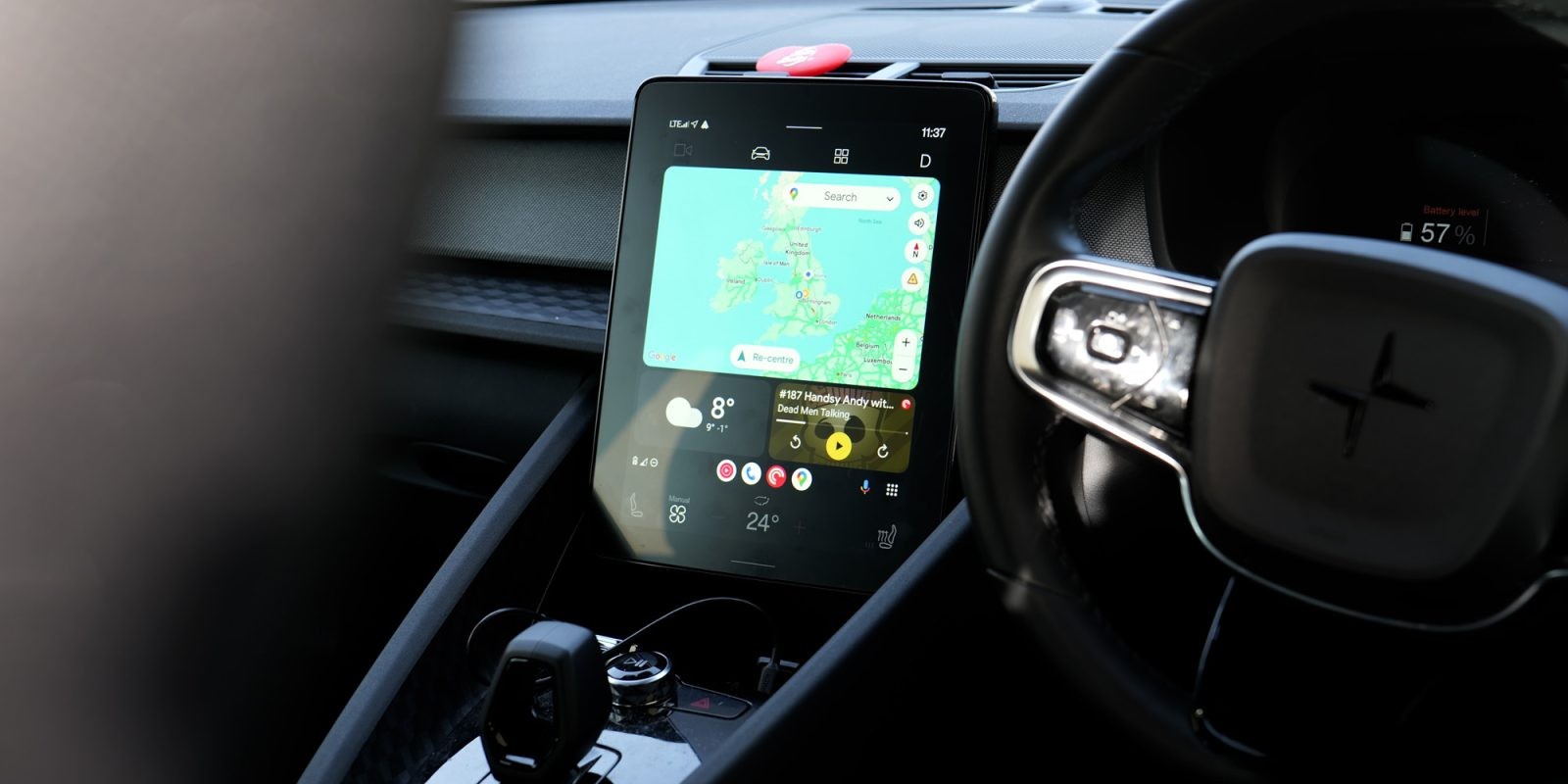
Google has recently released Android Auto version 16.1, addressing a significant issue that had affected many drivers: the malfunctioning of steering wheel controls. This problem emerged with the introduction of a new media player design in version 16.0, which inadvertently disrupted the functionality of in-car buttons.
The Issue with Version 16.0
In early February 2026, Android Auto 16.0 was rolled out, featuring a redesigned media player that incorporated elements of Google’s Material 3 Expressive design language. This update introduced a squiggly line progress bar, replacing the traditional straight bar used to indicate audio playback progress. While this change aimed to modernize the interface, it led to unintended consequences.
Shortly after the update, numerous users reported that their steering wheel controls, such as track skip and pause buttons, ceased to function properly when using media apps like Spotify and YouTube Music. This issue was particularly concerning as these controls are essential for drivers to manage media playback safely without diverting attention from the road.
The Resolution in Version 16.1
Responding to user feedback, Google released Android Auto 16.1, which effectively addresses the steering wheel control issue. This update removes the squiggly line progress bar, reverting to the previous straight bar design. By eliminating this visual change, the steering wheel buttons have been restored to full functionality, allowing drivers to control music, podcasts, and audiobooks seamlessly during their journeys.
The swift release of version 16.1 underscores Google’s commitment to user experience and safety. By promptly addressing the problem, Google ensures that drivers can continue to use Android Auto’s features without compromising on convenience or safety.
Insights from the Beta Version 16.2
In addition to the stable release of version 16.1, Google has introduced Android Auto 16.2 in beta. While this version does not present significant user-facing changes, an analysis of its code reveals ongoing development efforts.
Notably, there are indications that Google is working on integrating controls for radio stations and air conditioning (A/C) systems within Android Auto. Specific code strings such as control_ac_off and radio_node_stations_display_name suggest that these features are in development. However, there is no official timeline for their release, and compatibility details remain uncertain.
The Importance of Steering Wheel Controls
Steering wheel controls are a critical component of modern vehicle interfaces, enabling drivers to manage various functions without taking their hands off the wheel. These controls typically allow for adjusting volume, changing tracks, and handling phone calls, thereby enhancing safety and convenience.
The disruption caused by the Android Auto 16.0 update highlights the delicate balance between introducing new features and maintaining existing functionalities. It also emphasizes the importance of thorough testing to ensure that updates do not inadvertently impair essential features.
User Experiences and Feedback
The community’s response to the steering wheel control issue was swift and vocal. Users took to various forums and platforms to report the problem, sharing their experiences and seeking solutions. Some users noted that downgrading to a previous version of Android Auto temporarily resolved the issue, further indicating that the new media player design was the root cause.
Google’s prompt release of version 16.1 demonstrates the company’s attentiveness to user feedback and its dedication to resolving issues that impact the driving experience.
Looking Ahead: Future Developments
The hints found in the beta version 16.2 suggest that Google is actively working on expanding Android Auto’s capabilities. The potential addition of radio station and A/C controls could provide users with more integrated and seamless control over their vehicle’s systems through the Android Auto interface.
However, as these features are still in development, users should stay tuned for official announcements regarding their availability and compatibility.
Conclusion
The release of Android Auto 16.1 serves as a crucial update that restores the functionality of steering wheel controls, ensuring that drivers can safely and conveniently manage their media playback. This incident underscores the importance of user feedback in the development process and highlights Google’s commitment to delivering a reliable and user-friendly driving experience.
As Android Auto continues to evolve, users can look forward to new features and improvements that enhance their in-car experience. Staying informed about updates and participating in beta programs can provide early access to new functionalities and the opportunity to contribute to the platform’s development.