Anthropic’s Super Bowl Ads Spark Debate Over AI Advertising Ethics
In a bold marketing move, Anthropic, the AI research company behind the chatbot Claude, launched a series of Super Bowl advertisements that have ignited a heated discussion about the role of advertising in AI interactions. These commercials, characterized by their satirical tone, directly challenge OpenAI’s recent decision to incorporate ads into its ChatGPT platform.
One of the standout ads begins with the word BETRAYAL emblazoned across the screen. It then depicts a man seeking heartfelt advice from a chatbot, which initially offers sincere suggestions but abruptly shifts to promoting a fictitious dating site called Golden Encounters. The ad concludes with the message: Ads are coming to AI. But not to Claude. Another commercial follows a similar pattern, where a user inquires about fitness tips, only to receive an unsolicited advertisement for height-boosting insoles. These scenarios humorously exaggerate the potential pitfalls of integrating advertising into AI conversations.
The timing of these ads is particularly noteworthy, as they coincide with OpenAI’s announcement to introduce advertising into the free tier of ChatGPT. This strategic move by Anthropic appears to be a direct critique of OpenAI’s monetization approach. The ads have garnered significant attention, with media outlets describing them as Anthropic mocking, skewering, and dunking on OpenAI’s decision.
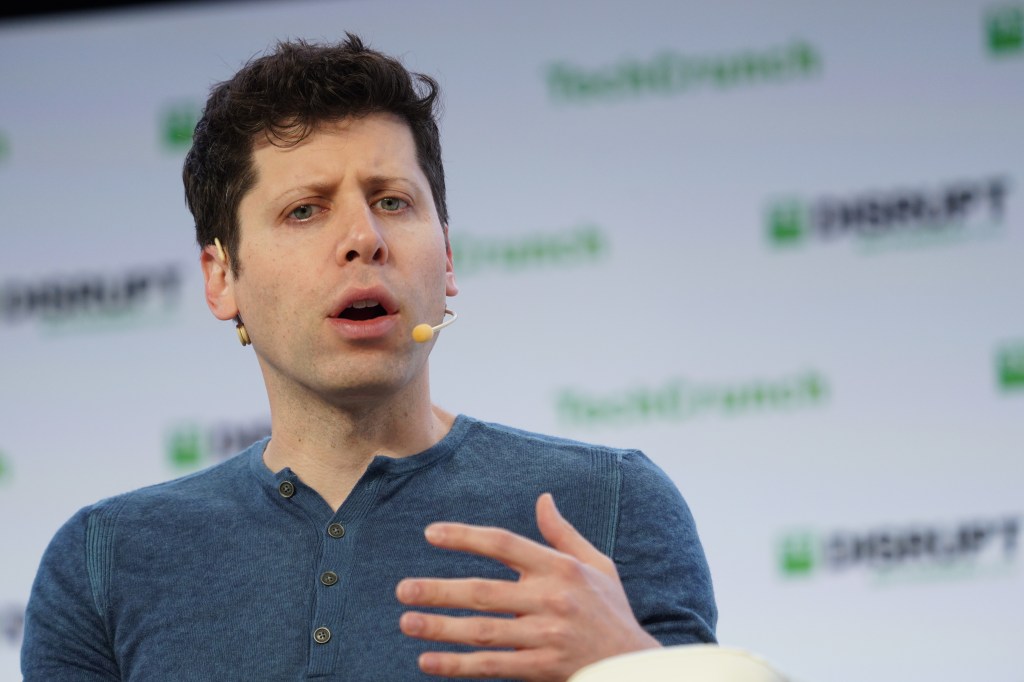
OpenAI’s CEO, Sam Altman, responded to the commercials with a mix of amusement and criticism. In a detailed post on X (formerly Twitter), Altman acknowledged the humor in the ads but labeled them as clearly dishonest. He emphasized that OpenAI has no intention of implementing ads in the intrusive manner depicted by Anthropic. Altman stated, We would obviously never run ads in the way Anthropic depicts them. We are not stupid and we know our users would reject that. He further accused Anthropic of doublespeak for using deceptive advertising to critique hypothetical deceptive ads that aren’t real.
Altman also highlighted the philosophical differences between the two companies regarding AI accessibility. He pointed out that OpenAI aims to provide free access to AI tools to a broad audience, whereas Anthropic’s model caters to a more affluent demographic. Altman remarked, Anthropic serves an expensive product to rich people. We are glad they do that and we are doing that too, but we also feel strongly that we need to bring AI to billions of people who can’t pay for subscriptions.
Anthropic’s decision to keep Claude ad-free aligns with its mission to create a genuinely helpful assistant for work and deep thinking. The company argues that incorporating ads into AI conversations would undermine user trust and the integrity of the assistant’s responses. Anthropic stated, There are many good places for advertising. A conversation with Claude is not one of them.
This public exchange underscores a growing divide in the AI industry regarding monetization strategies. While some companies, like OpenAI, are exploring ad-supported models to offer free services, others, like Anthropic, are prioritizing user experience by avoiding advertisements altogether. This debate raises important questions about the future of AI interactions and the balance between accessibility and user trust.
As AI becomes increasingly integrated into daily life, the approaches companies take to monetize these technologies will likely influence user preferences and industry standards. The contrasting strategies of OpenAI and Anthropic highlight the challenges and considerations involved in bringing AI to a global audience while maintaining ethical standards and user satisfaction.