Minneapolis Tech Community Unites Amid Intensified ICE Operations
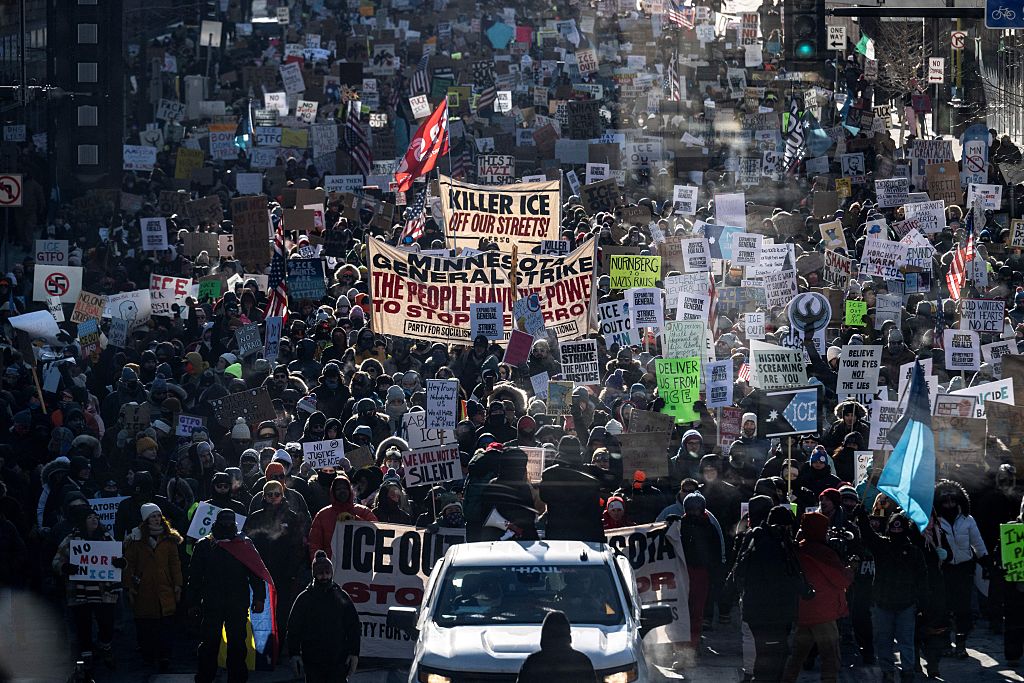
In recent weeks, Minneapolis has become the epicenter of intensified immigration enforcement, profoundly affecting its vibrant tech community. The deployment of over 3,000 federal agents as part of Operation Metro Surge has led to widespread fear and disruption among residents, including tech professionals.
Community in Turmoil
Efraín Torres, a Latino tech founder, describes the pervasive presence of Immigration and Customs Enforcement (ICE) in his neighborhood. You can’t not hear them, he shared, noting the constant sounds of car horns and protest whistles signaling raids. Signs reading My neighbor was taken by ICE have become common sights. Torres recounted instances where individuals were subjected to citizen checks based on race or accent, even during routine activities like snow-blowing their lawns. He himself has had encounters with ICE, leading him to adopt a low profile. The line separating me from being a victim of assault is just a chance encounter, he lamented.
The Trump administration’s escalation of immigration raids has been particularly aggressive in the Twin Cities. Senator Amy Klobuchar highlighted that ICE and border patrol agents now outnumber local police in Minneapolis nearly three to one. Minnesota, home to a significant Somali immigrant population, has seen its leaders, including U.S. Representative Ilhan Omar and Governor Tim Walz, targeted by the administration. Since January of the previous year, over 2,000 individuals have been arrested by ICE in the state.
Tech Community’s Response
The tech sector in Minneapolis has been deeply affected. A Black investor, choosing to remain anonymous, expressed the pervasive anxiety: It’s been difficult. Despite being a U.S. citizen with deep familial roots in the country, he now carries his passport at all times. Where I go to the gym, they’re in rural Minnesota, he noted, emphasizing that ICE’s reach extends beyond urban centers. It’s just been a strange time.
In response, tech professionals are rallying to support their communities. This investor mentors immigrant founders in college, providing them with food to minimize their exposure to potential ICE encounters. Many, including himself, are opting to work from home. Mary Grove, another local investor, described the atmosphere as a tense and difficult time on the ground.
Reed Robinson, also an investor, highlighted the community’s proactive measures. Founders with children have established volunteer systems to watch each other’s kids at school or daycare, anticipating potential detentions of staff by ICE. Robinson criticized the operations, stating, It feels unnecessary, it feels intrusive, it feels like a violation of rights.
The emotional toll is palpable. Torres mentioned his company’s new policy against using ride-sharing apps after engineers on H-1B visas reported being followed by immigration officials. Each time, it was three to four armed men in tactical outfits, he recounted. Discussions about relocating out of state have become common among his peers. They’re inflicting trauma everywhere they go, Torres concluded.
Tech Leaders Speak Out
Prominent figures in the tech industry have publicly condemned the actions of ICE in Minnesota. Jeff Dean, chief scientist at Google DeepMind, labeled the shooting of Alex Pretti by federal agents as absolutely shameful, emphasizing the unnecessary escalation and execution of a defenseless citizen. James Dyett, OpenAI’s head of global business, criticized the tech industry’s silence, pointing out the disparity in outrage over wealth taxes compared to the terrorizing actions of ICE agents.
Within venture capital circles, differing opinions have emerged. Keith Rabois of Khosla Ventures expressed support for ICE’s actions, leading to public disavowals from his colleagues. Ethan Choi clarified that Rabois’ views do not represent the entire firm, stating, What happened in Minnesota is plain wrong. Vinod Khosla, the firm’s founder, described the federal agents as macho ICE vigilantes running amuck empowered by a conscious-less administration, calling the incident sickening to watch.
A Call to Action
The tech community’s response extends beyond individual statements. Over 450 tech workers from companies like Google, Meta, OpenAI, Amazon, and Salesforce have signed a letter urging their CEOs to demand that ICE leave U.S. cities. The letter highlights the reckless violence and terror brought by federal agents to communities across the nation.
As Minneapolis grapples with these challenges, its tech community remains resilient, demonstrating solidarity and support for those affected by the intensified immigration enforcement.