Article Title: Microsoft Phases Out NTLM to Enhance Windows Security
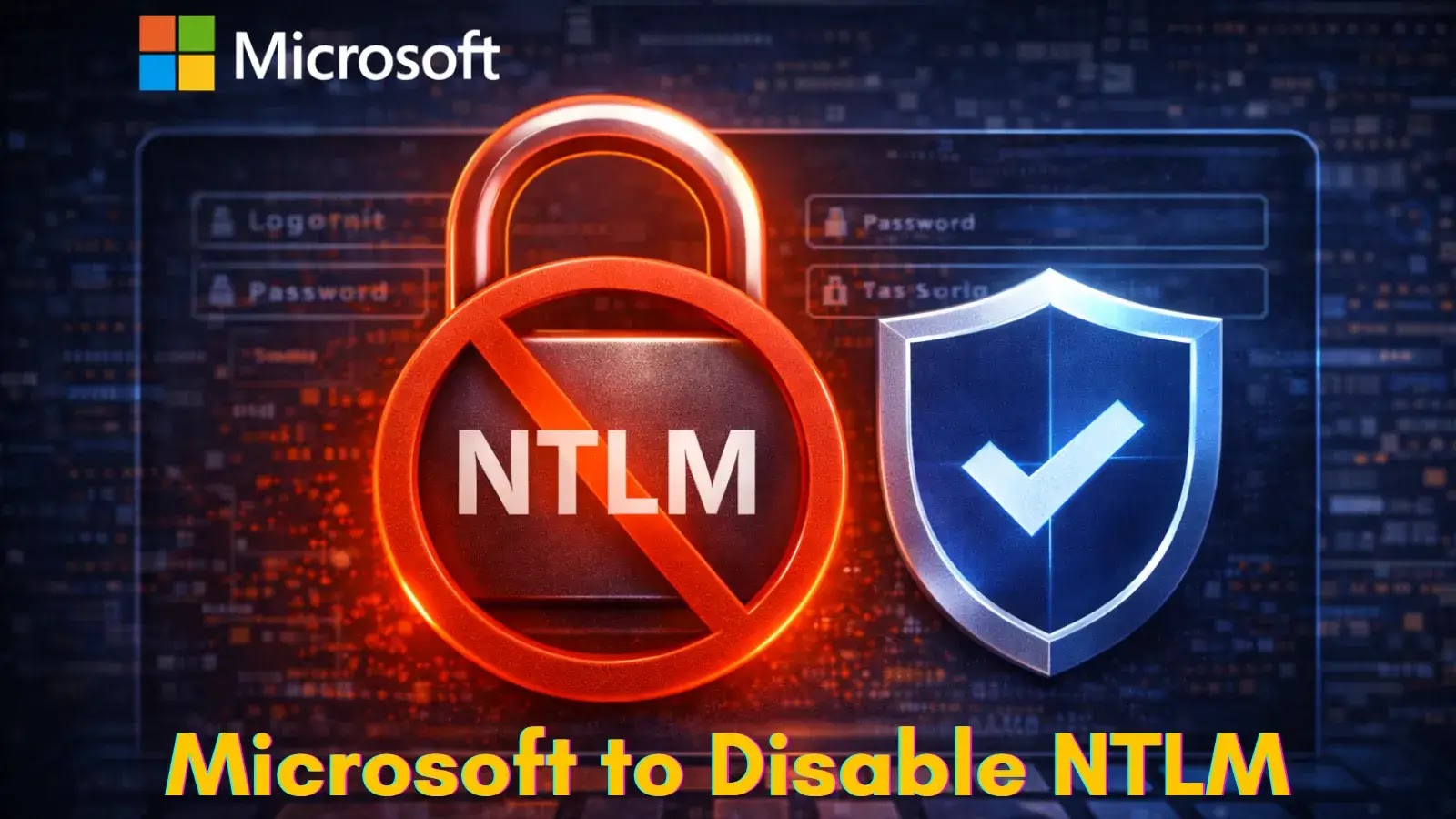
Microsoft is initiating a significant shift in its authentication protocols by phasing out the New Technology LAN Manager (NTLM), a legacy system that has been integral to Windows for over 30 years. This move aims to bolster security by transitioning to more robust authentication methods, such as Kerberos.
Understanding NTLM and Its Vulnerabilities
NTLM has historically served as a fallback authentication mechanism when Kerberos was unavailable. However, its age and inherent cryptographic weaknesses have made it susceptible to various attacks, including replay, relay, and pass-the-hash exploits. These vulnerabilities pose significant risks to enterprise environments, necessitating a shift to more secure authentication methods.
Microsoft’s Three-Phase Transition Plan
To ensure a smooth transition away from NTLM, Microsoft has outlined a three-phase roadmap:
1. Phase 1: Visibility & Auditing (Available Now)
Organizations are encouraged to implement enhanced NTLM auditing to identify where NTLM is currently in use across their systems. This phase focuses on mapping application dependencies and preparing for migration to Kerberos.
2. Phase 2: Reduce NTLM Usage (Second Half of 2026)
Scheduled for the latter half of 2026, this phase aims to reduce NTLM usage by enabling Kerberos in scenarios where NTLM would typically serve as a fallback. Organizations should begin testing NTLM-disabled configurations in non-production environments to identify potential issues.
3. Phase 3: Disable by Default (Future Windows Release)
In a forthcoming Windows release, NTLM will be disabled by default. However, it will remain present in the operating system and can be re-enabled via policy if necessary, ensuring backward compatibility during the transition period.
Maintaining Backward Compatibility
Microsoft emphasizes that while NTLM will be disabled by default, it will not be completely removed. This approach balances meaningful security improvements with practical organizational needs, allowing for a gradual transition without disrupting existing systems.
Preparing for the Transition
Organizations should begin preparing now by:
– Deploying enhanced NTLM auditing to identify current usage.
– Mapping application dependencies to understand potential impacts.
– Migrating workloads to Kerberos to align with modern security standards.
– Testing NTLM-disabled configurations in non-production environments to identify and address potential issues.
Microsoft encourages enterprises to engage identity, security, and application owners to ensure smooth transitions. For organizations facing unique NTLM-dependent scenarios, Microsoft has established [email protected] as a point of contact.
Conclusion
This phased, collaborative approach positions Windows for a more secure, passwordless future while maintaining supported migration pathways for enterprise environments. By proactively addressing NTLM’s vulnerabilities and transitioning to more secure authentication methods, Microsoft is taking a significant step towards enhancing the overall security posture of Windows systems.