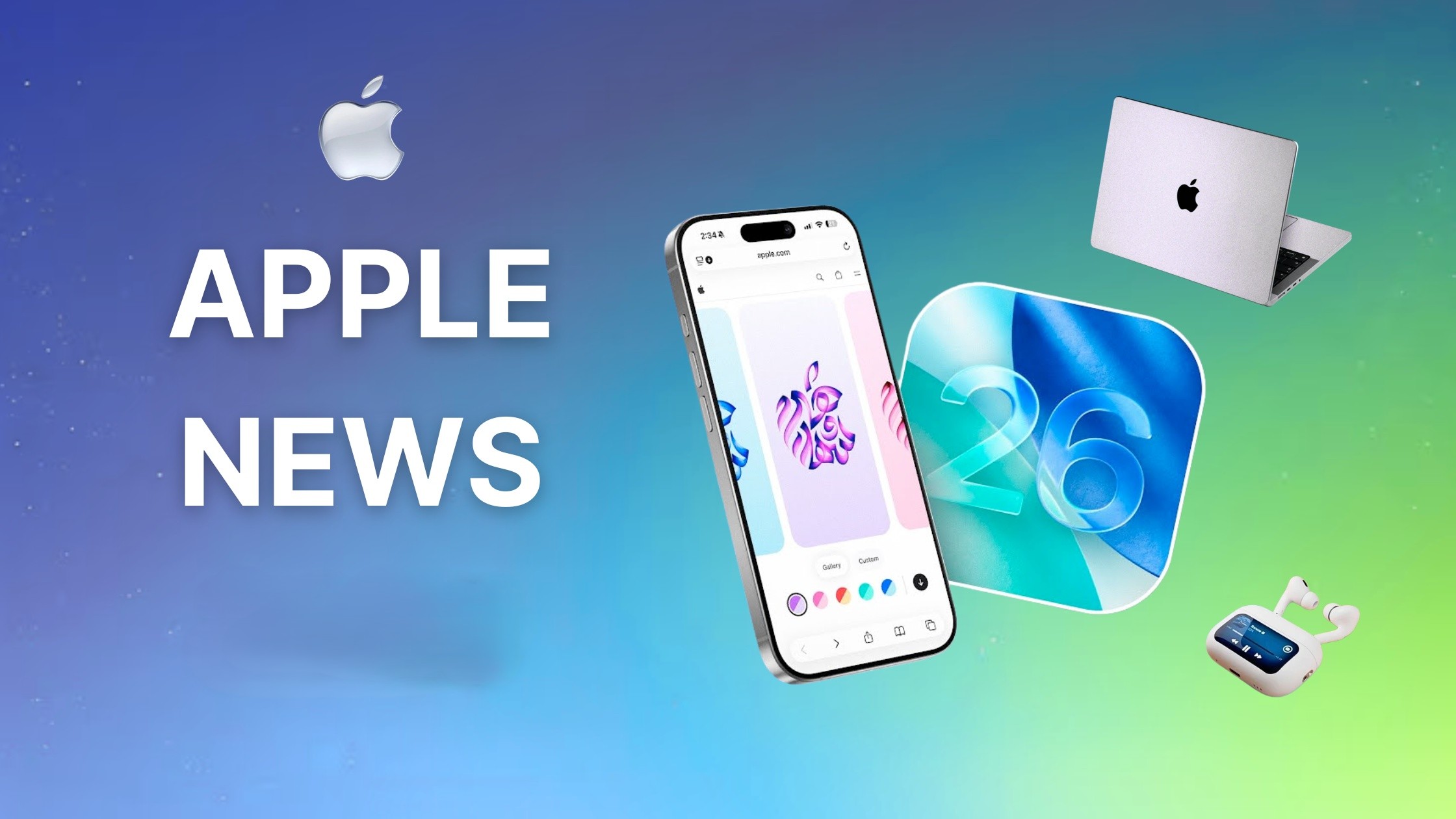
Exploring iOS 26’s Innovations and Anticipating iOS 27’s Enhancements
Apple’s iOS 26, launched on September 15, 2025, introduced significant advancements in design and functionality, setting a new standard for user experience. The update was first unveiled at Apple’s Worldwide Developers Conference (WWDC) on June 9, 2025, and has since undergone several refinements to enhance its features and performance.
The Liquid Glass Design Language
A standout feature of iOS 26 is the Liquid Glass design language, which imparts a semi-transparent, light-refracting effect to icons, menus, and controls. This design overhaul aims to provide a fresh, modern aesthetic while maintaining intuitive navigation for users. ([macobserver.com](https://www.macobserver.com/news/ios-26-now-available-for-iphone-key-features-and-device-support/?utm_source=openai))
Integration of Apple Intelligence
iOS 26 also marked a significant leap in artificial intelligence integration. Apple Intelligence now permeates the system, enhancing apps like Messages, FaceTime, and Phone with features such as live translation and context-aware suggestions. This AI-driven approach aims to make interactions more seamless and personalized. ([macobserver.com](https://www.macobserver.com/news/apple-officially-rolls-out-ios-26-and-ipados-26-featuring-smarter-siri-ai-powered-customization-and-more/?utm_source=openai))
Subsequent Updates and Enhancements
Since its initial release, Apple has rolled out multiple updates to iOS 26, each bringing incremental improvements:
– iOS 26.1: Introduced language support for live translation with AirPods and added tinted and clear options for the Liquid Glass interface.
– iOS 26.2: Expanded customization with new lock screen controls, offline lyrics support in Apple Music, and automatic podcast chapters.
– iOS 26.3: Enhanced data transfer capabilities to Android devices, activated EU-specific features like advanced notification forwarding, and prepared support for end-to-end encrypted messaging.
– iOS 26.4: Expected in March or April 2026, this update promises substantial additions, including the next generation of Siri with improved context awareness and in-app action support. ([macobserver.com](https://www.macobserver.com/news/when-did-ios-26-come-out-and-what-ios-27-will-bring-next/?utm_source=openai))
Anticipating iOS 27
Looking ahead, Apple is developing iOS 27, with a public release anticipated in fall 2026. The software is expected to be previewed at WWDC in June 2026 and will likely accompany new iPhone models in September. Early insights suggest that iOS 27 will focus on:
– Enhanced Performance and Stability: Aiming to provide a more reliable and responsive user experience.
– Advanced AI and Apple Intelligence: Further integrating artificial intelligence to offer smarter, more personalized interactions.
– Siri Refinements: Continuing to evolve Siri’s capabilities for better context understanding and functionality.
– Support for Foldable iPhone Layouts: Preparing the operating system for potential new hardware designs.
– Improved Health-Related AI Tools: Enhancing health and wellness features through advanced AI integration. ([macobserver.com](https://www.macobserver.com/news/when-did-ios-26-come-out-and-what-ios-27-will-bring-next/?utm_source=openai))
This trajectory indicates Apple’s commitment to deepening AI integration while refining the design changes introduced with iOS 26.
Update Timeline
– iOS 26 Public Release: September 15, 2025
– iOS 26.x Minor Updates: Late 2025 into early 2026
– iOS 26.4 Major Feature Update: Expected spring 2026
– iOS 27 Preview and Beta: Around June 2026
– iOS 27 Public Launch: Expected fall 2026, coinciding with new iPhone releases ([macobserver.com](https://www.macobserver.com/news/when-did-ios-26-come-out-and-what-ios-27-will-bring-next/?utm_source=openai))
This progression underscores Apple’s dedication to enhancing user experience through continuous innovation and responsiveness to user feedback.