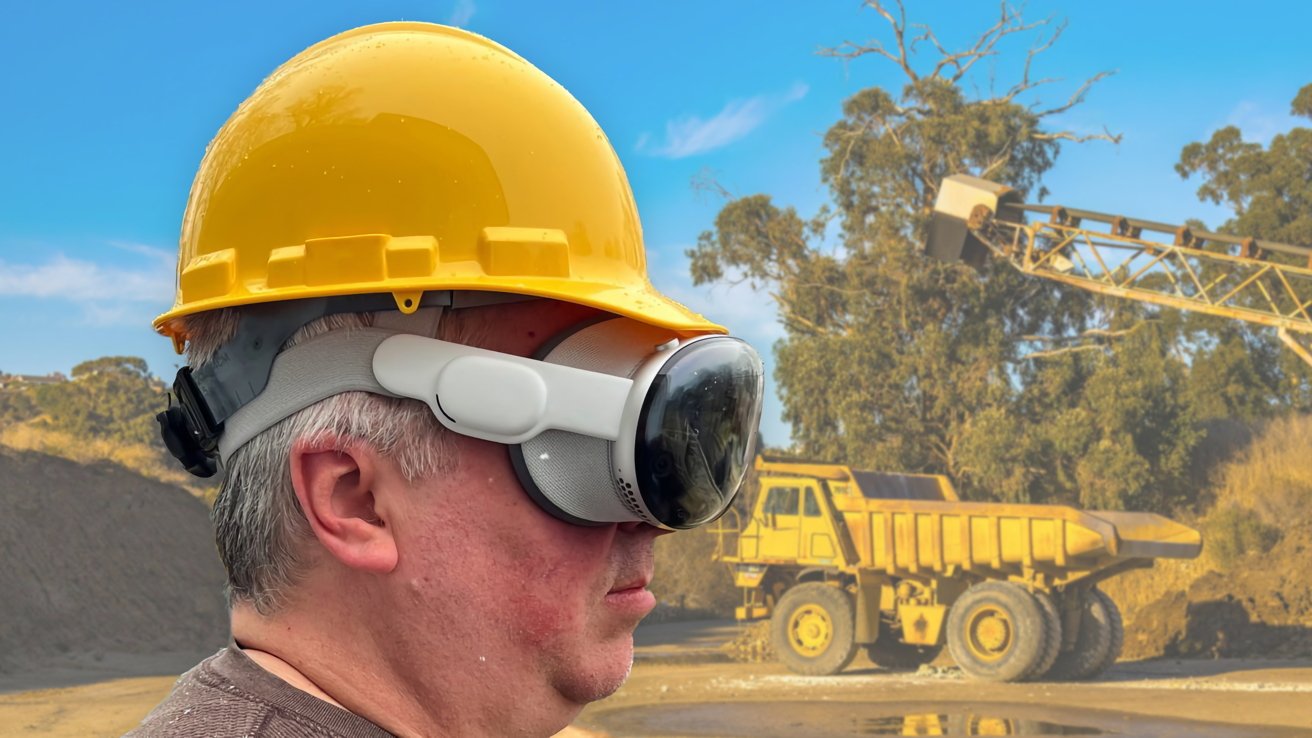
Apple’s Vision Pro: Two Years On, Uncertain Future Looms
Launched on February 2, 2024, the Apple Vision Pro entered the market with high expectations, marking Apple’s ambitious foray into mixed-reality technology. Two years later, the device’s trajectory remains ambiguous, with Apple seemingly at a crossroads regarding its future.
Initial Launch and Market Reception
The Vision Pro’s debut was met with enthusiasm, showcasing Apple’s commitment to innovation in the augmented and virtual reality (AR/VR) space. However, despite its advanced features, the headset faced challenges in gaining widespread consumer adoption. High production costs and a premium price point limited its accessibility, resulting in sales figures that fell short of initial projections.
Production Challenges and Strategic Shifts
By late 2024, reports indicated a significant reduction in Vision Pro production. Sources suggested that Apple had scaled back assembly, with the possibility of halting production entirely by year’s end. This decision was attributed to ample existing inventory and a reassessment of the product’s market viability. Analysts estimated that approximately 370,000 units were sold in the first three quarters of 2024, with an additional 50,000 projected by year-end. This left a surplus of around 200,000 units in storage, prompting Apple to reconsider its production strategy.
Future Prospects: Lighter Models and Enhanced Features
In response to market feedback, Apple explored the development of a lighter and more affordable version of the Vision Pro. Reports from mid-2025 suggested that this iteration, potentially named Apple Vision or Apple Vision Air, would feature a titanium internal structure to reduce weight, while maintaining an aluminum exterior. This model aimed to be more consumer-friendly, with a projected release between late 2025 and early 2026.
Simultaneously, Apple was rumored to be working on integrating its Apple Intelligence suite into the Vision Pro. This update would introduce features like Genmoji, advanced writing tools, and Image Playground, enhancing the device’s functionality and appeal. Additionally, plans for a new spatial media app were in the works, aiming to deliver more immersive content to users.
Competitive Landscape and Market Position
The mixed-reality market saw intensified competition, notably from Meta’s AR glasses, which were reportedly three years behind the Vision Pro in development. Despite this lead, Apple’s position was challenged by Meta’s aggressive strategies and the broader industry’s rapid advancements. The Vision Pro’s high price point and limited content ecosystem further complicated its competitive standing.
Sales Projections and Market Realities
Initial projections for the Vision Pro were optimistic, with some reports suggesting shipments could reach 10 million units by 2026. However, these figures were met with skepticism, given the device’s premium pricing and niche market appeal. Subsequent reports indicated that Apple had adjusted its expectations, focusing on refining the product and expanding its content offerings to attract a broader audience.
Looking Ahead: Uncertain Path Forward
As of early 2026, the future of the Apple Vision Pro remains uncertain. While plans for a second-generation model with an M5 processor were rumored, the timeline for its release was unclear. Additionally, the development of a more affordable version faced delays, with some reports suggesting a potential launch in 2027. Apple’s exploration of smart glasses and other AR/VR initiatives indicated a commitment to the space, but the company’s exact direction was yet to be determined.
In conclusion, two years after its launch, the Apple Vision Pro stands at a pivotal juncture. Apple’s decisions in the coming months will be crucial in defining the device’s place in the evolving mixed-reality landscape.