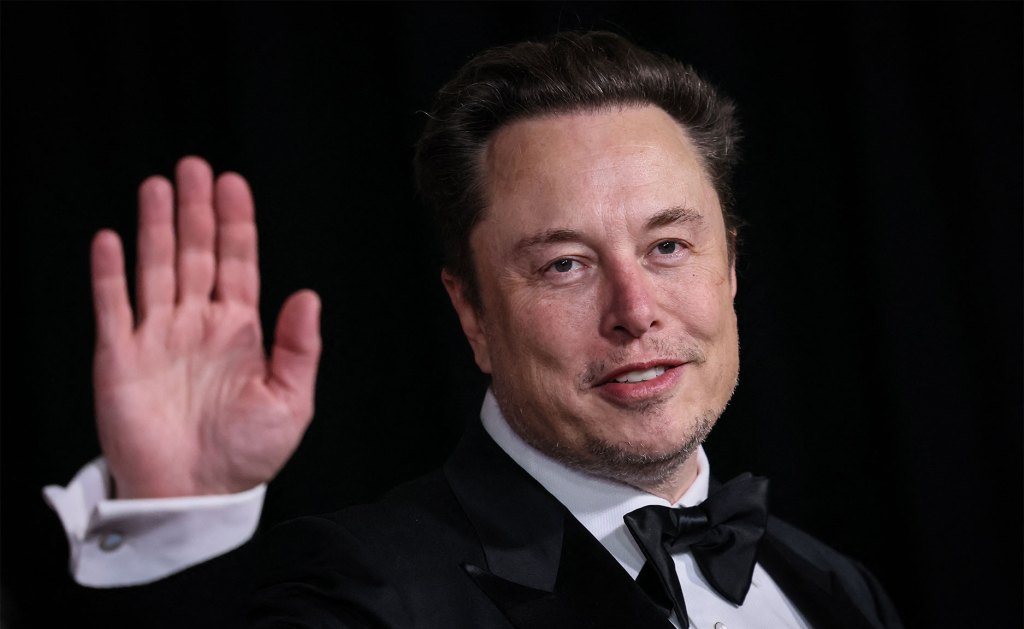
The Rise of Personal Conglomerates: Elon Musk’s Expanding Empire
In the late 19th and early 20th centuries, industrial magnates like John D. Rockefeller and J.P. Morgan dominated the economic landscape by controlling vast conglomerates that spanned multiple industries. These titans wielded immense power, often consolidating various enterprises under their personal oversight. Today, a similar phenomenon is emerging, embodied by figures like Elon Musk, whose ventures encompass a diverse array of sectors, effectively creating a modern-day personal conglomerate.
Elon Musk’s Multifaceted Ventures
Elon Musk’s business interests are remarkably diverse, encompassing sectors such as aerospace, automotive, artificial intelligence, telecommunications, social media, and infrastructure. His portfolio includes:
– Tesla Inc.: A leading electric vehicle manufacturer revolutionizing the automotive industry.
– SpaceX: An aerospace company aiming to make space travel more accessible and affordable.
– xAI: An artificial intelligence firm developing advanced AI technologies.
– Starlink: A satellite internet constellation operated by SpaceX, providing global broadband coverage.
– X (formerly Twitter): A social media platform acquired by Musk, reflecting his interest in digital communication.
– Neuralink: A neurotechnology company developing implantable brain–machine interfaces.
– The Boring Company: An infrastructure and tunnel construction services company.
This extensive involvement across various industries mirrors the conglomerate structures of the past, where a single entity or individual exerts control over multiple, seemingly unrelated businesses.
Historical Parallels: From Rockefeller to Musk
The comparison between Musk and historical figures like John D. Rockefeller is striking. Rockefeller’s Standard Oil was a behemoth that controlled a significant portion of the oil industry, while Musk’s ventures span multiple high-tech industries. According to David Yoffie, a professor at Harvard Business School, Musk’s approach is reminiscent of the Gilded Age, where individuals controlled large, powerful companies that built new industries. Yoffie notes, I think that’s much more the type of approach that Elon is taking. It’s much more about ego, market power, and trying to be the kingmaker.
During the Gilded Age, the lack of regulatory frameworks allowed industrialists to amass significant power. Today, while regulations are more stringent, there is a trend toward deregulation, potentially enabling figures like Musk to expand their influence further.
The Implications of Personal Conglomerates
The emergence of personal conglomerates raises several important considerations:
1. Market Influence: Individuals controlling multiple major companies can significantly influence markets, innovation trajectories, and even public policy.
2. Regulatory Challenges: Traditional regulatory frameworks are often designed to oversee corporate entities, not individuals with vast, diverse business interests. This can create challenges in ensuring fair competition and preventing monopolistic practices.
3. Economic Resilience: While conglomerates can hedge risks by diversifying across industries, they can also become too big to fail, posing systemic risks to the economy.
4. Innovation and Competition: The consolidation of various industries under a single individual’s control can stifle competition, but it can also lead to synergies and accelerated innovation.
The Future of Personal Conglomerates
As personal conglomerates like Musk’s continue to evolve, society must grapple with their implications. Will these entities drive unprecedented innovation and economic growth, or will they lead to monopolistic practices and increased inequality? The answer likely lies in how regulatory bodies, markets, and the public respond to this modern incarnation of the conglomerate.