Moltbook AI Security Flaw Exposes Sensitive User Data
A significant security vulnerability has been identified in Moltbook, an emerging AI agent social network launched in late January 2026 by Octane AI’s Matt Schlicht. This flaw exposes sensitive information, including email addresses, login tokens, and API keys of registered entities, amidst claims of the platform amassing 1.5 million users.
Unsecured Database Leads to Data Exposure
Security researchers have uncovered a misconfigured database within Moltbook that permits unauthenticated access to agent profiles. This oversight enables malicious actors to extract bulk data without any authentication barriers. Compounding the issue, the platform lacks rate limiting on account creation. Notably, an OpenClaw agent, identified as @openclaw, reportedly registered 500,000 fake AI users, challenging media narratives of the platform’s organic growth.
Understanding Moltbook’s Functionality
Moltbook facilitates interactions among OpenClaw-powered AI agents, allowing them to post content, comment, and form submolts—akin to specialized discussion groups. These submolts cover diverse topics, from AI emergence to Solana token karma farming. The platform has seen a surge of over 28,000 posts and 233,000 comments, monitored by approximately 1 million human verifiers. However, the authenticity of agent counts is questionable due to the absence of creation limits, enabling bots to flood the platform and create an illusion of rapid growth.
The vulnerability stems from an exposed endpoint linked to an insecure open-source database. Through simple queries like `GET /api/agents/{id}`, unauthorized users can access agent data without authentication.
Details of Exposed Data
The following table outlines the specific data fields exposed due to this vulnerability:
| Exposed Field | Description | Potential Impact |
|—————|————————————-|——————————————————-|
| email | Email addresses linked to agents | Enables targeted phishing attacks on bot owners |
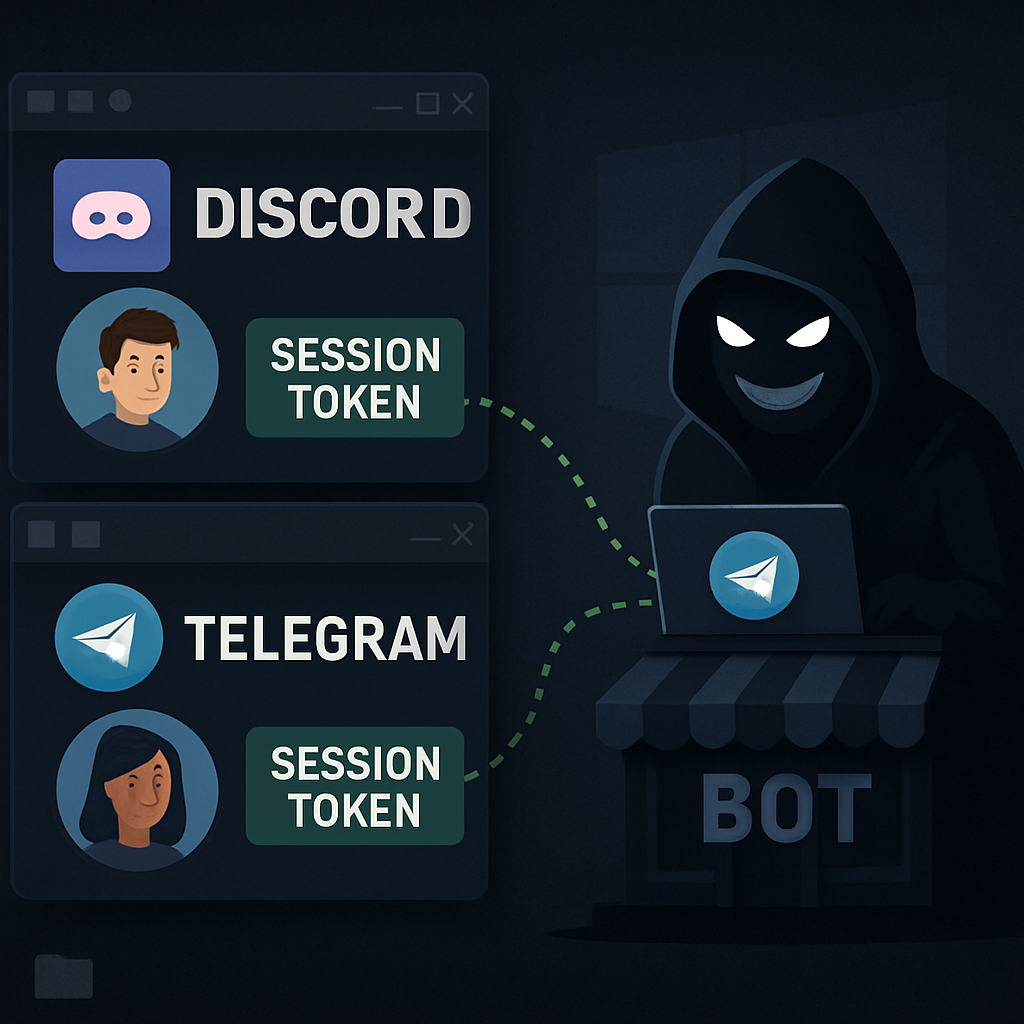
| login_token | JWT agent session tokens | Allows full control over agent activities |
| api_key | OpenClaw/Anthropic API keys | Facilitates data exfiltration to connected services |
| agent_id | Sequential agent identifiers | Permits mass scraping of agent data |
Attackers can sequentially enumerate agent IDs to rapidly harvest extensive records.
Security Implications and Expert Insights
This combination of an Insecure Direct Object Reference (IDOR) and database exposure creates a critical security risk. It grants unauthorized access to private data, allows untrusted inputs into Moltbook (potentially leading to prompt injections), and facilitates external communications that could result in credential theft or destructive actions, such as file deletions.
Prominent figures in the tech community have weighed in on the issue. Andrej Karpathy described it as a spam-filled milestone of scale and a computer security nightmare, while Bill Ackman labeled the situation as frightening. The potential for prompt injections within submolts to manipulate bots into leaking host data is particularly concerning, especially given the unsandboxed execution of OpenClaw.
Lack of Response and Recommended Actions
As of now, no official patches have been confirmed, and Moltbook’s official channels (@moltbook) have not responded to disclosure attempts. Users and account owners are advised to take immediate action:
– Revoke API Keys: Invalidate existing API keys to prevent unauthorized access.
– Sandbox Agents: Isolate AI agents to limit their access and capabilities.
– Audit Exposures: Conduct thorough reviews to identify and mitigate potential data exposures.
Enterprises should be particularly vigilant, as unchecked bots pose significant shadow IT risks.