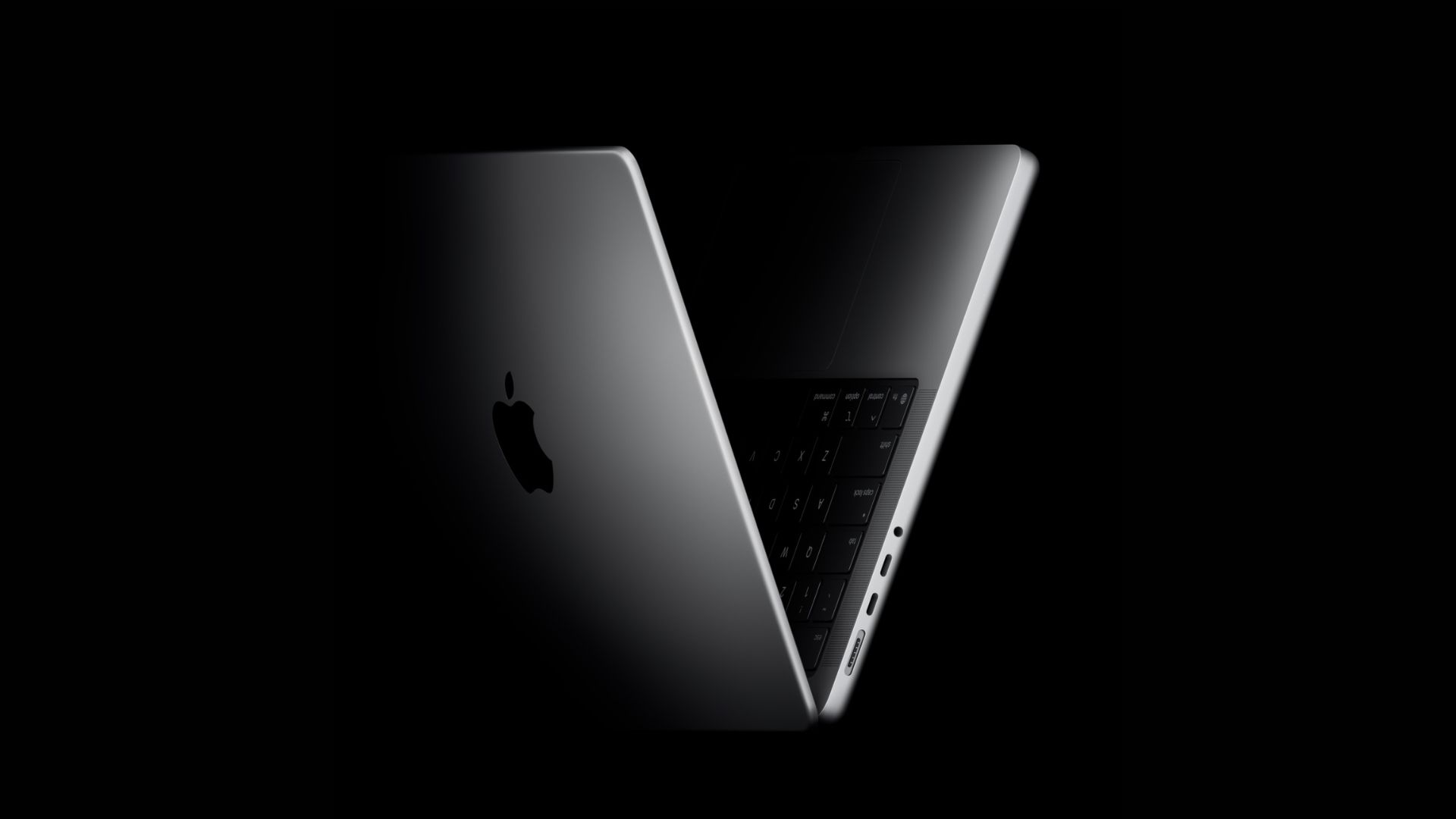
Apple Revamps Online Mac Purchasing Experience with Customization-First Approach
In a significant overhaul of its online store, Apple has transformed the Mac purchasing process to prioritize user customization. As of late January 2026, the company has eliminated preconfigured Mac models, directing customers straight to a comprehensive build-your-own configurator upon selecting the Buy option. This shift aligns the Mac buying experience with that of iPhones and iPads, emphasizing personalized configurations from the outset.
Understanding the New Purchase Flow
Apple’s redesigned checkout system streamlines the purchasing journey into clear, sequential steps:
1. Select a Mac Model: Begin by choosing your desired Mac—options include MacBook Air, MacBook Pro, iMac, Mac mini, among others.
2. Initiate Customization: Clicking Buy or Customize now leads directly to a detailed configurator, bypassing the previous list of preset configurations.
3. Choose Core Specifications: Customize essential components such as screen size (for laptops), processor type, memory (RAM), and storage capacity.
4. Select Additional Features: Personalize further by choosing color options, power adapters, keyboard layouts, and pre-installed applications.
5. Add Accessories or AppleCare: Enhance your purchase with optional add-ons like AppleCare coverage, protective cases, or additional adapters.
6. Review Pricing and Delivery Options: The configurator provides a transparent breakdown of the total cost, including financing options like EMI, before proceeding to checkout.
7. Complete Checkout: Finalize your payment method and confirm delivery or pickup details.
8. Place Your Order: Submit your order to receive confirmation and delivery information from Apple.
This new approach places the customization process at the forefront, encouraging users to build their ideal Mac from the ground up.
Tips for Navigating the Updated System
To make the most of this enhanced purchasing experience, consider the following strategies:
– Prioritize Essential Specifications: Begin by selecting critical components like the processor and memory to ensure optimal performance for your needs.
– Manually Compare Configurations: Without preset models, take the time to evaluate different configurations to balance performance and cost effectively.
– Monitor Pricing Adjustments: Be aware that each customization can impact the total price; keep an eye on the cost as you add features.
– Explore Financing Options: Review Apple’s financing plans before finalizing your purchase to find a payment plan that suits your budget.
– Understand Technical Specifications: Familiarize yourself with terms like unified memory and SSD storage to make informed decisions, especially since direct comparisons with preset bundles are no longer available.
Frequently Asked Questions
Why did Apple remove preconfigured Macs?
While Apple hasn’t provided an official explanation, industry analysts suggest that this change aims to unify the purchasing process across all Apple products and may pave the way for more extensive customization options in the future.
Does this affect Mac prices?
Base prices remain unchanged. However, the new system offers clearer visibility into how each customization affects the total cost, allowing for more informed purchasing decisions.
Will third-party retailers change their offerings?
Retailers like Amazon and Best Buy are expected to continue selling standard configurations. The shift primarily affects purchases made directly through Apple’s online store, which now emphasizes a build-to-order model.
Is this change applicable to all Mac models?
Yes, the updated purchasing process applies to all Mac models, including laptops like the MacBook Pro and desktops like the Mac mini.
Does this improve price transparency?
The new system provides a detailed breakdown of costs associated with each upgrade, enhancing transparency. However, the absence of preset bundles may make direct price comparisons more challenging.
Summary of Key Changes
1. Elimination of Preconfigured Models: Apple has removed the list of preset Mac configurations from its online store, directing customers to a comprehensive build-your-own configurator.
2. Customization-First Approach: Shoppers now begin by selecting core specifications such as processor, memory, and storage, followed by additional features and accessories.
3. Unified Purchasing Experience: This new process aligns the Mac buying experience with that of iPhones and iPads, emphasizing upfront customization.
4. Potential for Future Customization: The shift may facilitate more extensive customization options in future Mac models, offering users greater flexibility.
Conclusion
Apple’s recent overhaul of its online Mac purchasing process marks a significant shift towards a more personalized and transparent buying experience. By removing preconfigured models and introducing a customization-first approach, Apple empowers customers to tailor their Macs to their specific needs from the outset. This change not only aligns the Mac purchasing process with other Apple products but also sets the stage for potential future enhancements in customization options. As users adapt to this new system, they can expect a more engaging and informed journey in selecting their ideal Mac.