Amazon Fire TV Intensifies Crackdown on Sideloaded Apps
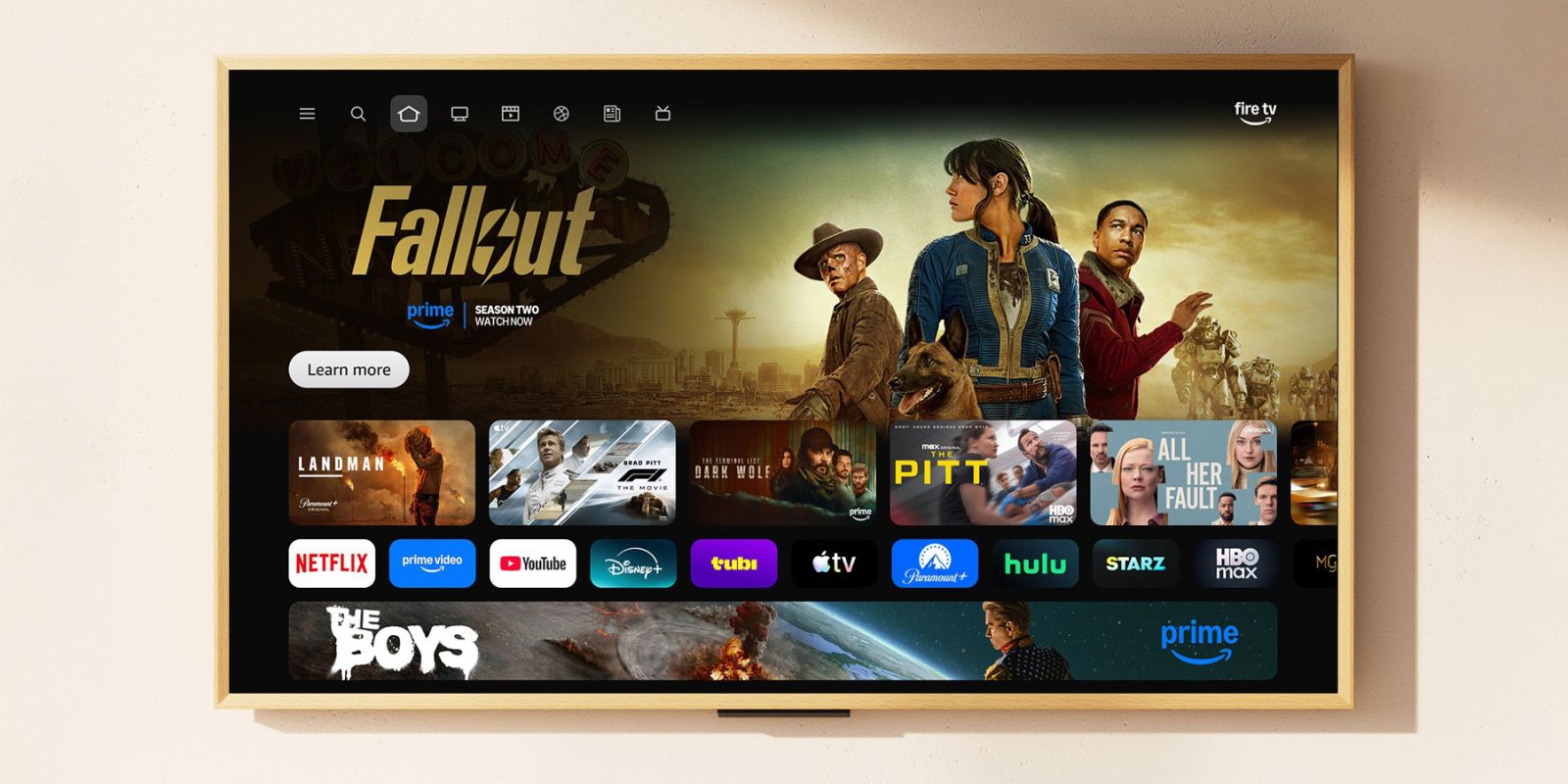
Amazon has escalated its efforts to combat piracy on its Fire TV platform by implementing measures that prevent the installation of certain sideloaded applications. This development marks a significant shift in Amazon’s approach to content security and user experience.
Background on Sideloading and Amazon’s Stance
Sideloading refers to the process of installing applications on a device from sources other than the official app store. This practice has been popular among Fire TV users seeking to access a broader range of content, including apps not available through Amazon’s Appstore. However, some sideloaded apps have been identified as providing access to unlicensed or pirated content, raising legal and security concerns.
In response, Amazon has taken a firm stance against such applications. The company has stated that piracy is illegal and has always worked to block it from their app store. They have now extended this policy to include apps identified as providing access to pirated content, even those downloaded from outside their app store. This initiative aims to support content creators and protect customers, as piracy can expose users to malware, viruses, and fraud.
Implementation of the New Blocking Measures
The latest measures involve a proactive approach where Amazon Fire TV devices now prevent the installation of certain sideloaded apps known to facilitate access to unlicensed content. When a user attempts to install such an app, the device displays a message stating, App installation blocked, accompanied by the reason: This app has been blocked because it provides access to unlicensed content. Users are then directed to a support page that explains the rationale behind the blocking and emphasizes that no exceptions or workarounds will be provided.
Technical Aspects of the Blocking Mechanism
Amazon’s Fire OS employs a signature-based detection system to identify and block apps associated with piracy. During the installation process, the system scans the app’s package name and compares it against a blacklist maintained by the Alliance for Creativity and Entertainment (ACE), a global anti-piracy coalition. If a match is found, the installation is halted, and the user is notified of the block. This system is updated silently, allowing Amazon to add new apps to the blacklist without requiring firmware updates.
Impact on Users and Developers
For users, this means that certain sideloaded apps previously accessible on Fire TV devices are now unavailable. While sideloading remains possible for legitimate applications, those identified as providing access to unlicensed content are effectively blocked. This move is intended to protect users from potential security risks associated with pirated content, such as exposure to malware and fraud.
Developers of affected apps face significant challenges, as their applications are rendered unusable on Fire TV devices. Some developers have attempted to circumvent these blocks by altering the package names and signatures of their apps. However, these measures may only provide temporary relief, as Amazon’s detection system continues to evolve.
Broader Implications and Future Outlook
Amazon’s actions reflect a broader industry trend towards stricter enforcement against piracy. The company’s collaboration with organizations like ACE underscores a commitment to protecting intellectual property rights and ensuring a secure user experience.
Looking ahead, it is anticipated that Amazon will continue to refine its detection and blocking mechanisms. Users seeking unrestricted access to a wide range of applications may need to consider alternative platforms that do not impose similar restrictions. However, it is crucial for users to be aware of the legal and security implications associated with accessing unlicensed content.
Conclusion
Amazon’s decision to block the installation of certain sideloaded apps on Fire TV devices marks a significant step in the company’s ongoing efforts to combat piracy and protect users. By preventing access to unlicensed content, Amazon aims to support content creators and provide a safer, more secure environment for its customers.