Nvidia’s Ongoing Commitment to Shield TV: Updates and Potential New Hardware on the Horizon
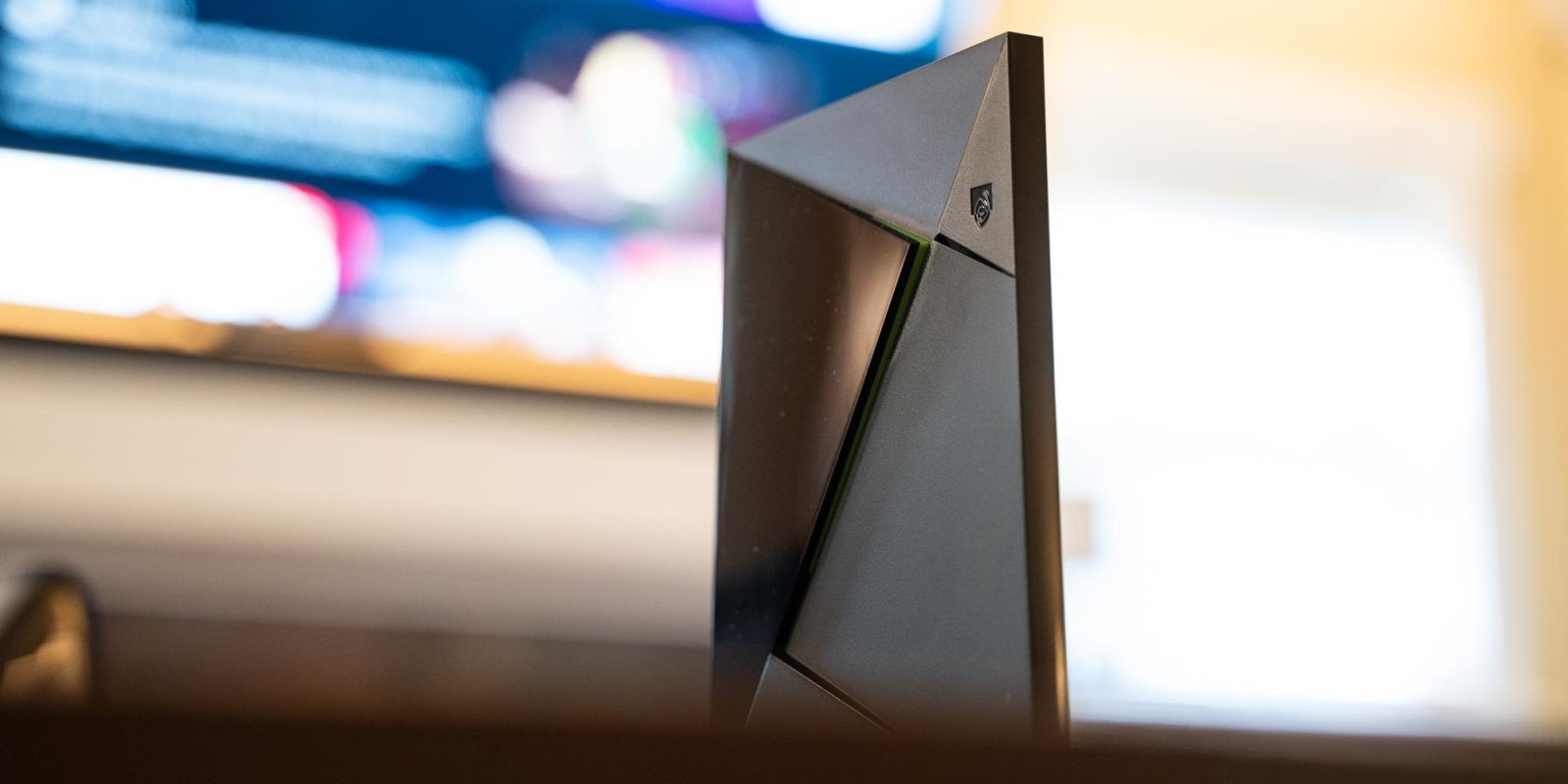
Nvidia’s Shield TV, introduced in 2015, has established itself as a premier streaming device, renowned for its robust performance and versatility. Despite the absence of new hardware releases in recent years, Nvidia remains steadfast in its support for the Shield TV, consistently delivering software updates and hinting at the possibility of future hardware developments.
A Legacy of Continuous Support
In a recent discussion with ArsTechnica, Andrew Bell from Nvidia shed light on the company’s enduring dedication to the Shield TV platform. Bell recounted the device’s origins, noting that it was initially developed to fulfill Nvidia employees’ desire for a high-quality, high-performance TV streaming device outside of the Apple ecosystem. Encouraged by CEO Jensen Huang, the project evolved into a consumer product, with Huang emphasizing the company’s commitment to supporting the device for as long as we shall live.
This unwavering support is evident in Nvidia’s track record. Over a decade since its debut, the first-generation Shield TV continues to receive active support. The most recent software update was released in November 2025, underscoring Nvidia’s dedication to enhancing user experience and addressing any issues that arise. These updates have introduced features such as automatic low-latency mode for gaming, night listening mode, and various bug fixes, ensuring the device remains competitive in the ever-evolving streaming landscape.
Sustained Production and Market Demand
Despite the proliferation of streaming devices in the market, the Shield TV maintains a loyal customer base. Bell highlighted that Nvidia continues to manufacture Shield TV units, noting that a consistent number of consumers purchase the device weekly. This sustained demand reflects the Shield TV’s reputation for quality and performance, distinguishing it from competitors.
Exploring Future Hardware Possibilities
While there have been no new hardware releases for the Shield TV in over five years, Nvidia remains open to the development of future models. Bell revealed that the company is actively experimenting with new concepts in their labs. He stated, We’re always playing in the labs, trying to discover new things. We’ve played with new concepts for Shield and we’ll continue to play, and if we find something we’re super-excited about, we’ll probably make a go of it.
Although no concrete plans have been announced, Bell expressed enthusiasm about the potential for a new Shield TV model. He mentioned that a future iteration would prioritize advancements in video technology, including AV1 decoding, HDR10+, and updates to Dolby Vision. Additionally, there is consideration for redesigning the remote control to remove the Netflix button, which was initially included due to Netflix’s certification requirements in 2019.
Addressing Challenges and Enhancing User Experience
Nvidia’s commitment to the Shield TV extends beyond hardware considerations. The company has proactively addressed various challenges to enhance user experience. For instance, in early 2023, Nvidia announced the discontinuation of the GameStream feature, which allowed users to stream games from a PC to the Shield TV. This decision was made to streamline services and encourage users to transition to GeForce Now, Nvidia’s cloud gaming platform. The move aimed to provide a more consistent and high-quality gaming experience across devices.
Furthermore, Nvidia has been responsive to user feedback regarding software issues. In December 2025, some Shield TV owners reported difficulties accessing YouTube and YouTube TV apps, receiving error messages indicating that the apps were not supported on their devices. Nvidia promptly acknowledged the issue and collaborated with Google to resolve it, demonstrating their dedication to maintaining a seamless user experience.
The Competitive Landscape and Nvidia’s Position
In the current market, the Shield TV continues to stand out due to its performance and feature set. While other devices have emerged, few offer the same level of support and versatility. Nvidia’s ongoing updates and openness to future hardware developments position the Shield TV as a compelling choice for consumers seeking a reliable and high-performance streaming device.
Conclusion
Nvidia’s Shield TV exemplifies the company’s commitment to long-term product support and innovation. Through consistent software updates, responsiveness to user feedback, and exploration of future hardware possibilities, Nvidia ensures that the Shield TV remains a relevant and competitive option in the streaming device market. As the company continues to experiment and innovate, consumers can anticipate further enhancements that will elevate their entertainment experiences.