Google Nest Hub’s Touch-Accessible Apps: A Gradual Disappearance
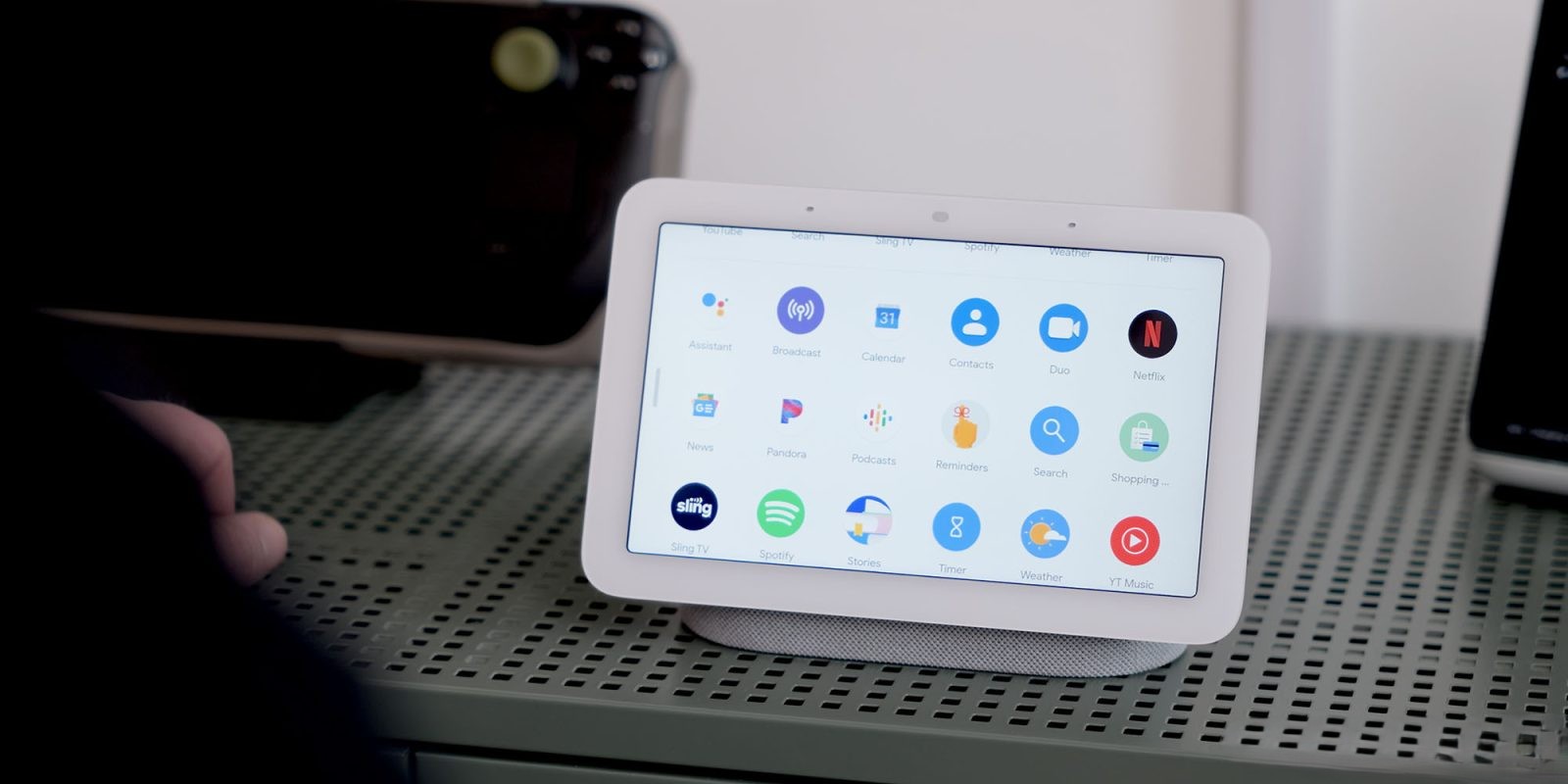
In 2021, Google introduced a suite of touch-accessible applications on the Nest Hub, enhancing user interaction by allowing direct access to various services. These included Broadcast, Calendar, Contacts, Duo, Games, Netflix, Meet, News, Pandora, Podcasts, Reminders, Shopping, Timer, Weather, YouTube Music, YouTube, and Zoom. However, over the past few years, users have observed a significant reduction in these apps, with only a few remaining, such as Search, YouTube TV, Sling TV, and Stories.
The Initial Rollout and Subsequent Reductions
The touch-accessible apps were part of an update aimed at providing users with a more intuitive interface. By 2021, the Nest Hub’s app drawer was populated with a diverse range of applications, catering to various user needs. This feature was well-received, as it allowed for seamless navigation and control over multiple services directly from the device’s screen.
However, starting in 2023, users began reporting the disappearance of several apps from their Nest Hub devices. By June 2023, Google announced the discontinuation of support for third-party Assistant voice apps and games on the Nest Hub. This decision was part of a broader strategy to phase out the Conversational Actions platform, which had enabled third-party developers to create voice-activated applications for Google Assistant. The company cited a lack of usage as the primary reason for this move, emphasizing a shift in focus towards integrating voice capabilities into Android apps across various platforms, including phones, tablets, Wear OS, Google/Android TV, and Android Auto/Automotive.
User Experiences and Community Feedback
The removal of these apps did not go unnoticed. Users took to platforms like Reddit to express their concerns and seek solutions. One user reported that their Nest Hub Max had stopped displaying any apps, rendering the device nearly unusable. Despite attempts at troubleshooting, including factory resets and removing the device from the Home App, the issues persisted. Google acknowledged these concerns, stating that their engineering team was aware of the problem and actively working on a solution.
The Broader Context of Feature Deprecation
The disappearance of touch-accessible apps is part of a larger trend of feature deprecation within Google’s ecosystem. In December 2025, the Call Home feature was removed from the Google Home app, which previously allowed users to initiate calls directly to devices like the Nest Hub Max. This feature had been integrated with Google Duo to facilitate video and voice calls to smart displays and speakers. Its removal was part of the latest Home redesign, reflecting Google’s ongoing efforts to streamline its services and focus on more widely used features.
Implications for Users and the Future of Nest Hub
The gradual removal of these apps and features raises questions about the future direction of the Nest Hub and similar devices. While Google has not provided explicit reasons for each removal, the overarching theme appears to be a realignment of resources towards more popular and widely used functionalities. For users, this means adapting to a changing landscape where certain conveniences may no longer be available.
It’s essential for users to stay informed about these changes and explore alternative methods to achieve their desired functionalities. Engaging with community forums and official support channels can provide insights and potential workarounds. Additionally, as Google continues to evolve its smart home ecosystem, new features and integrations may emerge to replace or enhance the user experience.
Conclusion
The disappearance of touch-accessible apps on the Google Nest Hub reflects a broader trend of feature realignment within Google’s smart home devices. While these changes may pose challenges for users accustomed to certain functionalities, they also present opportunities for innovation and adaptation. Staying engaged with official communications and community discussions will be crucial for users navigating this evolving landscape.