OpenAI’s Sora App Faces Declining User Engagement Post-Launch
OpenAI’s video-generation application, Sora, which initially captivated users and soared to the top of the App Store charts in October, is now experiencing a notable decline in both downloads and consumer spending. This downturn suggests that the initial enthusiasm surrounding the AI-driven video social network is waning.
Sora, powered by OpenAI’s advanced video generation model, Sora 2, made a remarkable debut by achieving over 100,000 installations on its first day, despite being accessible only through invitations. It quickly ascended to the number one position on the U.S. App Store and surpassed the one million download milestone faster than OpenAI’s previous success, ChatGPT. At that time, Sora was exclusively available on iOS and required an invitation, making its rapid adoption even more impressive.
However, recent data from market intelligence firm Appfigures indicates a significant decline in Sora’s performance. In December, the app experienced a 32% month-over-month drop in downloads—a concerning trend, especially during the holiday season when mobile app installations typically surge due to new device acquisitions and increased leisure time. The downward trend continued into January 2026, with downloads plummeting by 45% month-over-month, totaling 1.2 million. Consumer spending mirrored this decline, decreasing by 32% month-over-month as of January.
OpenAI has yet to provide a comment on these developments.
Sora offers users an innovative platform to create AI-generated videos using textual prompts. A standout feature allows individuals to cast themselves and friends as main characters, adding a personalized touch to the content. Additionally, the app enables users to remix shared videos, incorporating music, sound effects, and dialogue to enhance their creations.
Since its launch, Sora has accumulated 9.6 million downloads across both iOS and Android platforms, generating $1.4 million in consumer spending. The United States accounts for the majority of this revenue, contributing $1.1 million, followed by Japan, Canada, South Korea, and Thailand. In January, consumer spending within the app amounted to $367,000, a decline from December’s peak of $540,000.
On the U.S. App Store, Sora has fallen out of the Top 100 Overall free apps, currently ranking at number 101. Its highest position is number 7 in the Photo & Video category. On Google Play in the U.S., the app’s performance is even less favorable, standing at number 181 among the top free apps.
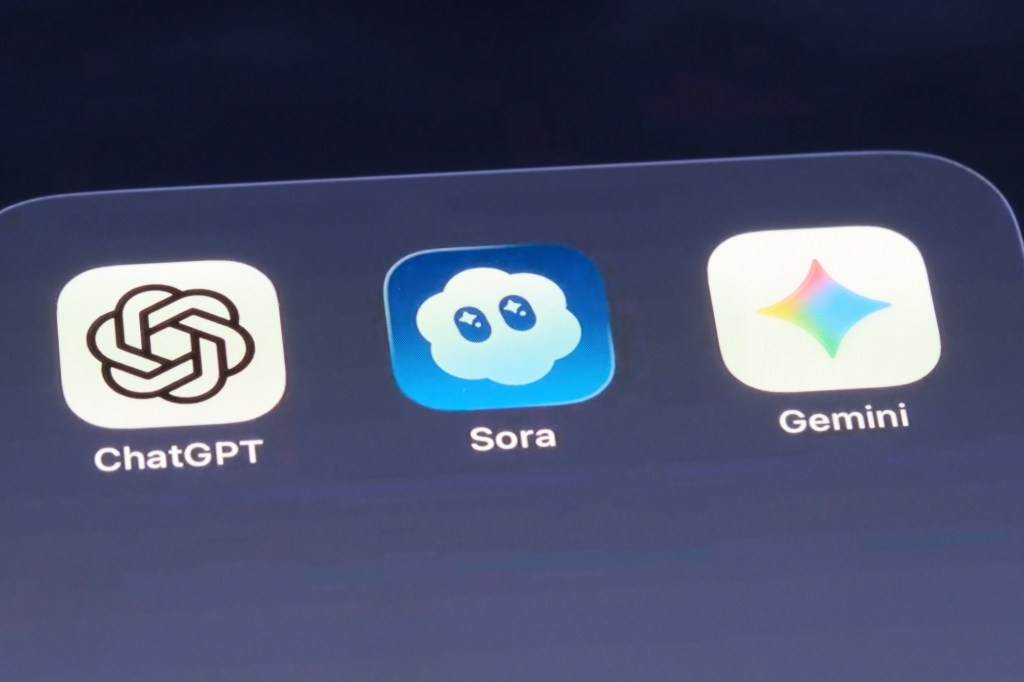
Several factors may be contributing to Sora’s declining engagement. The emergence of competing AI video generation tools, such as Google’s Gemini and its Nano Banana model, has intensified market competition. Additionally, Meta AI’s introduction of AI-powered video features has further diversified user options, potentially drawing attention away from Sora.
OpenAI has also faced challenges related to copyright infringement within Sora. Initially, the company implemented an opt-out model for content creators, allowing their intellectual property to be used unless they explicitly objected. This approach led to backlash from Hollywood studios and agencies, as users created AI videos featuring popular characters like SpongeBob and Pikachu without proper authorization. In response, OpenAI shifted to an opt-in model, requiring explicit permission from content owners and increasing restrictions within the app.
In an effort to address these issues, OpenAI announced a partnership with Disney last month, permitting users to generate videos featuring Disney characters within Sora. Despite this collaboration, there has been no significant uptick in downloads or consumer spending. Moreover, concerns have arisen regarding the potential misuse of Disney characters in inappropriate content created by users.
Sora 2 was initially hailed as a potential disruptor in the social media landscape, drawing comparisons to TikTok due to its AI-driven video capabilities. However, user apprehension about allowing others to use their likenesses in AI-generated videos, coupled with restrictions on incorporating commercial intellectual property, appears to have dampened interest. Whether Sora can rejuvenate its user base through additional copyright agreements or the introduction of new features remains uncertain.