Rivian’s Strategic Decision to Forego CarPlay: A Deep Dive into the Company’s Vision
In the rapidly evolving automotive industry, the integration of smartphone interfaces like Apple’s CarPlay has become a standard feature in many vehicles. However, Rivian, the electric vehicle (EV) manufacturer, has taken a divergent path by opting not to incorporate CarPlay into its vehicles. This decision has sparked considerable discussion among consumers and industry experts alike.
Rivian’s Rationale for Excluding CarPlay
Rivian’s CEO, RJ Scaringe, has been vocal about the company’s choice to exclude CarPlay from their vehicles. In a recent interview with Kara Swisher on the On With Kara Swisher podcast, Scaringe elaborated on this decision, emphasizing the importance of a cohesive and integrated user experience within Rivian’s ecosystem.
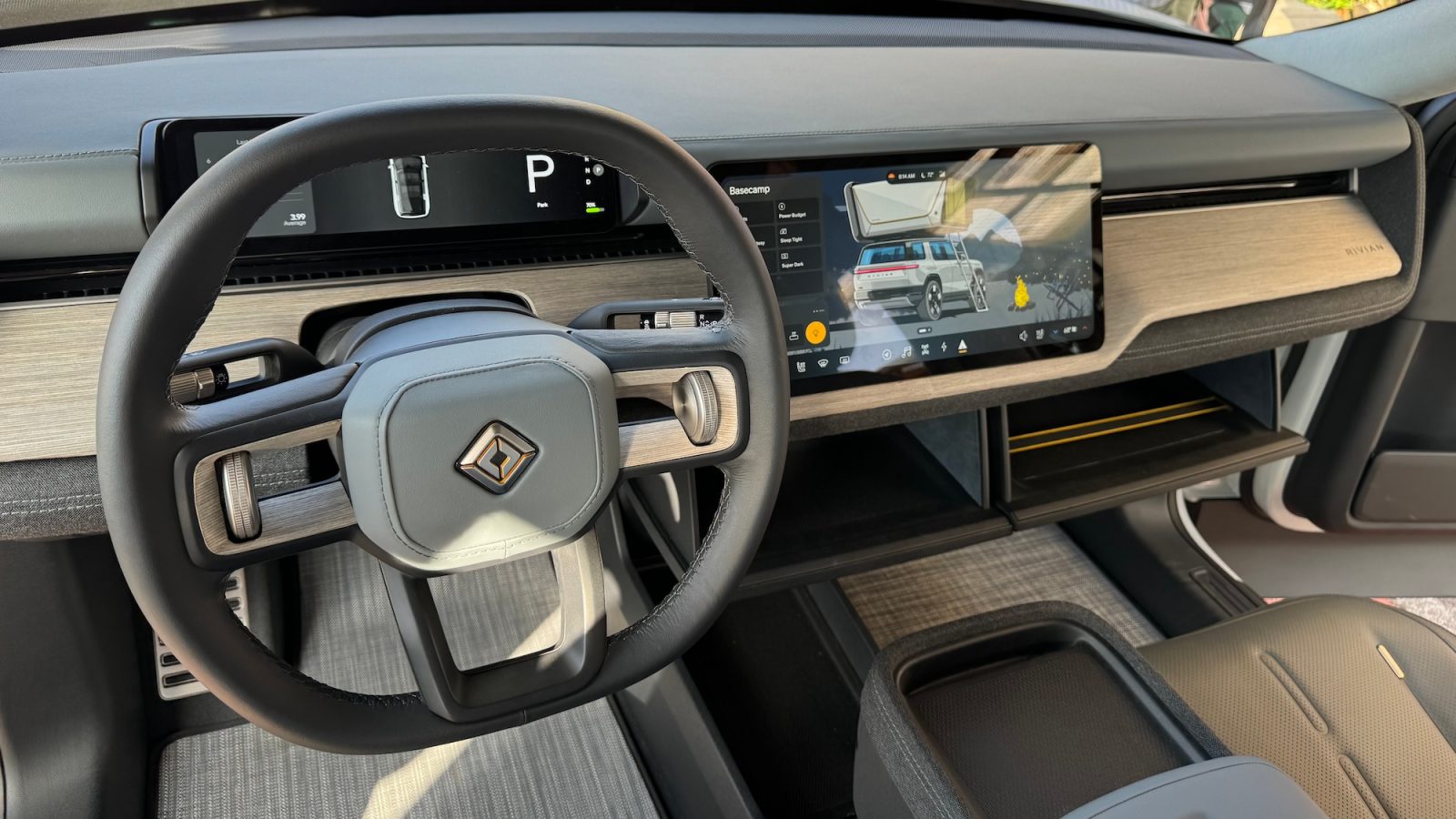
Scaringe explained that Rivian aims to control the entire user interface to ensure seamless integration between vehicle operations and the infotainment system. He stated, We want to control that whole platter, and we think that becomes more important as AI enters more and more into the existence of how you run the vehicle. This approach allows Rivian to tailor the user experience specifically to their vehicles, ensuring consistency and harmony across all touchpoints.
The Challenge with CarPlay Integration
One of the primary challenges Scaringe highlighted is the potential disjointedness that can arise from integrating third-party applications like CarPlay. He noted that CarPlay operates as a separate app within the vehicle’s system, which can disrupt the unified experience Rivian strives to provide. The challenge with CarPlay is, of course, it’s an app that runs on the screen, but it takes you out of the vehicle experience into a separate app that’s very media-centric, Scaringe remarked. This separation can make it difficult to maintain consistency across different platforms and user interfaces.
Collaborations with Apple and Google
Despite the absence of CarPlay, Rivian has not shied away from collaborating with tech giants like Apple and Google to enhance their vehicles’ functionality. The company has worked diligently to integrate features that users desire, such as Apple Music and Apple Wallet car keys, directly into their native infotainment system. Scaringe emphasized the positive relationships Rivian maintains with these companies, stating, We have a great working relationship with Apple, a great working relationship with Google, where we can serve up all those items.
Consumer Reactions and Market Implications
The decision to exclude CarPlay has elicited mixed reactions from consumers. Some appreciate Rivian’s commitment to a unified and tailored user experience, while others express disappointment over the lack of a familiar interface. This move places Rivian alongside other automakers like Tesla and General Motors, who have also opted to develop proprietary infotainment systems rather than adopting CarPlay.
Industry analysts suggest that while this strategy allows for greater control over the user experience, it also requires significant investment in software development and maintenance. Moreover, it necessitates that consumers adapt to a new interface, which can be a point of contention for those accustomed to CarPlay’s functionality.
The Future of Rivian’s Infotainment System
Looking ahead, Rivian plans to continue enhancing its infotainment system by integrating more features that users expect from platforms like CarPlay. This includes improved support for notifications, text messaging, and voice assistant capabilities. The company acknowledges the current limitations and is actively working to address them to meet consumer expectations.
Scaringe’s vision is to create an infotainment system that not only meets but exceeds user expectations by offering a seamless and integrated experience. By controlling the software stack, Rivian aims to deliver regular updates and improvements, ensuring that their vehicles remain at the forefront of technology and user satisfaction.
Conclusion
Rivian’s decision to exclude CarPlay from its vehicles underscores the company’s commitment to providing a unique and integrated user experience. While this choice has sparked debate, it reflects Rivian’s broader strategy of maintaining control over all aspects of their vehicles’ operation and user interface. As the company continues to evolve and enhance its infotainment system, it remains to be seen how consumers will respond to this distinctive approach in the competitive EV market.