Luminar’s Lidar Business Acquired by MicroVision Amidst Last-Minute Bid Drama
In a dramatic turn of events, Luminar’s journey through bankruptcy proceedings culminated in the approval of its lidar business sale to MicroVision, despite an unexpected and significantly higher bid emerging just before the final hearing. This development marks a pivotal moment in the autonomous vehicle industry’s landscape.
The Unexpected Bid and Its Implications
As the bankruptcy court prepared to finalize the sale of Luminar’s lidar division, an unidentified party submitted a last-minute offer that substantially exceeded the leading bid of $33 million from MicroVision. This unforeseen proposal prompted urgent deliberations among Luminar’s leadership, legal advisors, and a specially formed transaction committee. Despite the allure of a higher valuation, the offer was deemed to have certain infirmities, leading Luminar to proceed with MicroVision’s bid.
The identity of the late bidder remains undisclosed. However, indications suggest it may have been an insider purchaser, potentially pointing to Austin Russell, Luminar’s founder and former CEO. Russell had previously attempted to reacquire the company following his abrupt resignation amid an ethics inquiry. His new venture, Russell AI Labs, had expressed interest in bidding for Luminar’s assets during the bankruptcy proceedings. Notably, representatives from Russell AI Labs did not respond to requests for comment regarding this recent bid.
MicroVision’s Strategic Acquisition
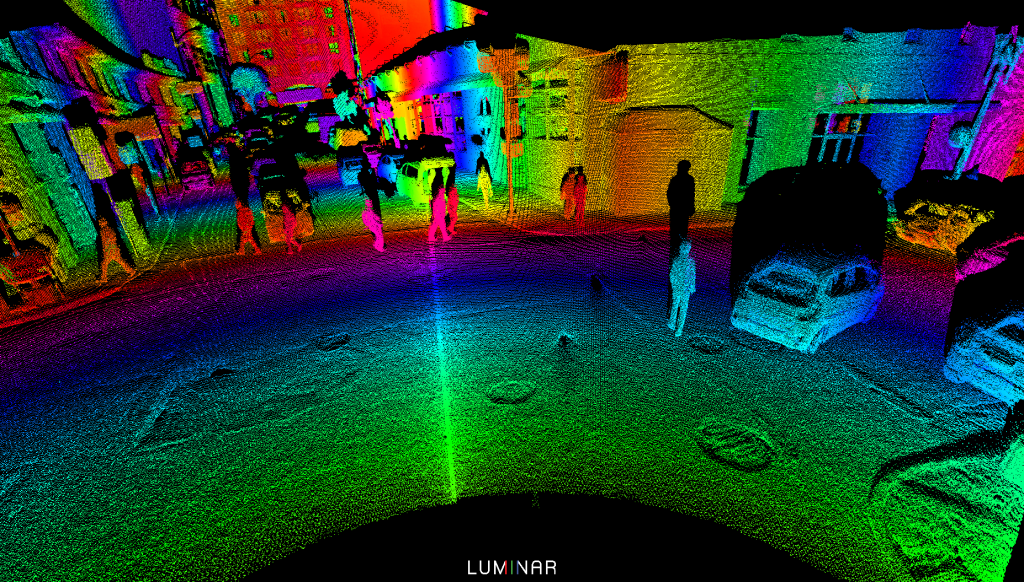
With the court’s approval, MicroVision is set to acquire Luminar’s lidar technology, including the Iris and Halo sensor lines, along with key engineering and operational personnel. This acquisition is poised to enhance MicroVision’s capabilities in the automotive sector, a domain where it previously lacked long-range sensing solutions.
Glen DeVos, CEO of MicroVision, emphasized the strategic fit of Luminar’s technology within their portfolio. He highlighted the strength of MicroVision’s software and short-range lidar teams and expressed optimism about integrating Luminar’s long-range sensing expertise. DeVos also conveyed hope that former Luminar employees, affected by prior layoffs, might join MicroVision to bolster their automotive initiatives.
Challenges and Opportunities Ahead
MicroVision faces the challenge of revitalizing Luminar’s existing automotive partnerships, some of which have been strained or dissolved, such as the contract with Volvo. DeVos, drawing from his extensive experience in the automotive industry, remains optimistic about mending these relationships and leveraging them to secure new business opportunities.
The Broader Lidar Industry Context
Luminar’s bankruptcy and subsequent asset sale underscore the volatility and consolidation trends within the lidar industry. Competitors like Hesai are expanding production capacities, aiming to dominate the global market. Hesai’s plans to double its production capacity to 4 million units annually highlight the competitive pressures and rapid advancements in lidar technology.
Conclusion
The approval of Luminar’s lidar business sale to MicroVision, despite the intrigue of a last-minute higher bid, signifies a significant shift in the autonomous vehicle technology sector. As MicroVision integrates Luminar’s assets and expertise, the industry watches closely to see how this consolidation will influence the future of lidar technology and its applications in autonomous driving.