Apple Faces Legal Battle Over Alleged ‘Sherlocking’ of Camo App with Continuity Camera
In a significant legal development, Reincubate Ltd., the developer behind the Camo app, has initiated a lawsuit against Apple Inc., alleging patent infringement and anticompetitive behavior. The dispute centers on Apple’s 2022 introduction of the Continuity Camera feature, which Reincubate claims mirrors the functionality of its own Camo application, effectively rendering it obsolete—a practice commonly referred to as Sherlocking.
Background on ‘Sherlocking’
The term Sherlocking originates from the early 2000s when Apple enhanced its Sherlock search tool to include features previously offered by a third-party application named Watson. This move led to Watson’s decline, as users favored the integrated functionality provided by Apple. In the tech industry, Sherlocking describes instances where a platform owner introduces native features that replicate and potentially displace third-party applications.
The Camo Application
Launched in July 2020 during the initial wave of the COVID-19 pandemic, Camo enabled users to repurpose their iPhones as high-quality webcams for video conferencing on computers. This innovation addressed the widespread need for improved video communication tools as remote work became prevalent. Camo’s cross-platform compatibility allowed it to function seamlessly with both macOS and Windows systems, distinguishing it from other solutions available at the time.
Apple’s Introduction of Continuity Camera
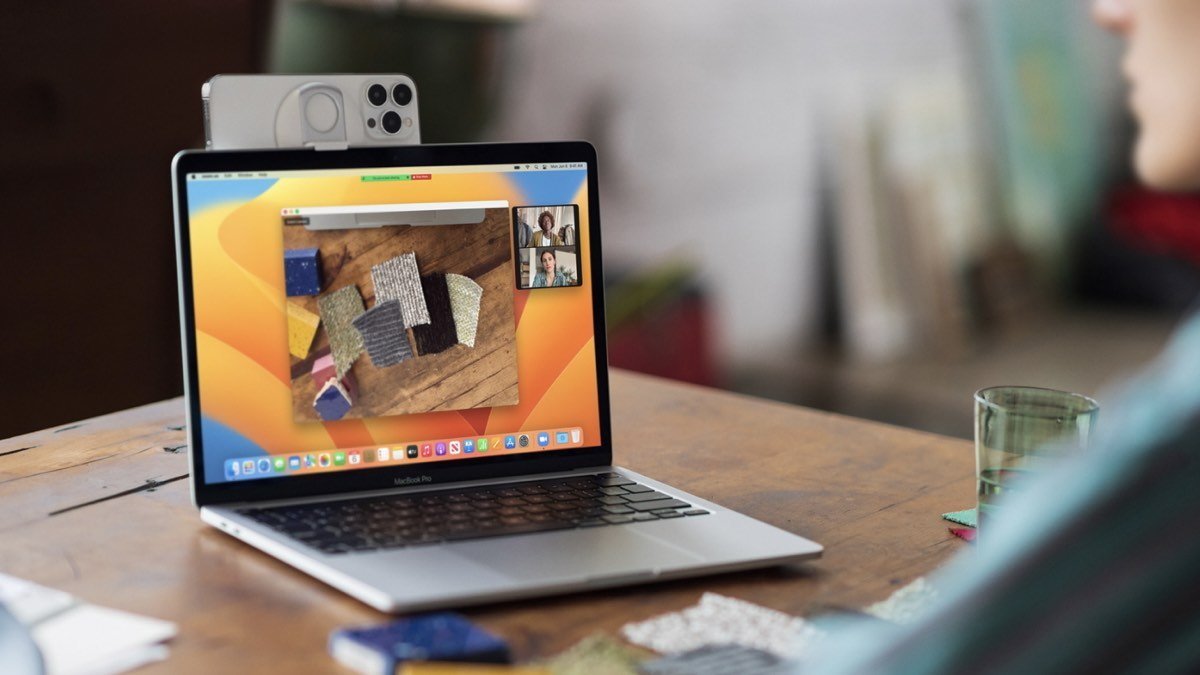
In 2022, Apple unveiled Continuity Camera as part of macOS Ventura and iOS 16.1. This feature allows users to utilize their iPhones as webcams for Mac computers, offering a native solution within Apple’s ecosystem. While Continuity Camera provides similar functionality to Camo, it is designed exclusively for use within Apple’s hardware and software environment, lacking the cross-platform support that Camo offers.
Allegations of Patent Infringement
Reincubate’s lawsuit, filed in the U.S. District Court for the District of New Jersey, asserts that Apple has infringed upon two of its patents: U.S. Patent No. 12,335,323 and U.S. Patent No. 11,924,258, both titled Devices, systems, and methods for video processing. These patents describe a system involving a control device (e.g., a Mac), a capture device (e.g., an iPhone), and a cooperative application that facilitates video processing between the two devices. Reincubate contends that Continuity Camera embodies the concepts protected by these patents, thereby violating its intellectual property rights.
Claims of Anticompetitive Conduct
Beyond patent infringement, Reincubate accuses Apple of engaging in anticompetitive practices. The company alleges that Apple encouraged the development of Camo, with thousands of Apple employees reportedly using the app internally. Reincubate’s CEO, Aidan Fitzpatrick, claims that Apple provided support and even nominated Camo for an innovation award. However, after Camo demonstrated market viability, Apple introduced Continuity Camera, effectively sidelining Camo and other similar applications.
Reincubate further alleges that Apple leveraged its control over its operating systems and the App Store to disadvantage Camo. For instance, Continuity Camera’s deep integration into macOS and iOS may limit the visibility and functionality of third-party apps like Camo. Additionally, certain system-level features exclusive to Continuity Camera are inaccessible to third-party developers, potentially hindering their ability to compete on equal footing.
Potential Implications and Industry Impact
This lawsuit highlights the ongoing tension between platform owners and third-party developers regarding the integration of features that replicate existing applications. If Reincubate’s claims are upheld, it could set a precedent for how tech giants incorporate third-party innovations into their ecosystems and may influence future interactions between platform providers and independent developers.
Current Status and Next Steps
As of now, the lawsuit has been filed, but no court dates have been scheduled. Apple has yet to publicly respond to the allegations. The outcome of this case could have significant ramifications for the tech industry, particularly concerning the balance between fostering innovation and maintaining competitive markets.